Top

Chocolate

Top 7 Most Beautiful Islands in the World

Islands have an irresistible pull, and I visit and write about them often (and even live on one). Our planet has hundreds of thousands of islands; below are a few favourites that I’ve encountered in my travels. 

7. Sardinia, Italy 

Sardinia has it all: dramatic cliffs plunging into turquoise coves, ancient history etched into the land, and a fiercely proud culture reflected in dishes found nowhere else in Italy. However long you stay on your first trip, it won’t be enough: you’ll already be planning your return before you leave. The island’s past, shaped by Phoenicians, Romans, and Spaniards, lend it a depth and diversity that makes every town feel unique. 
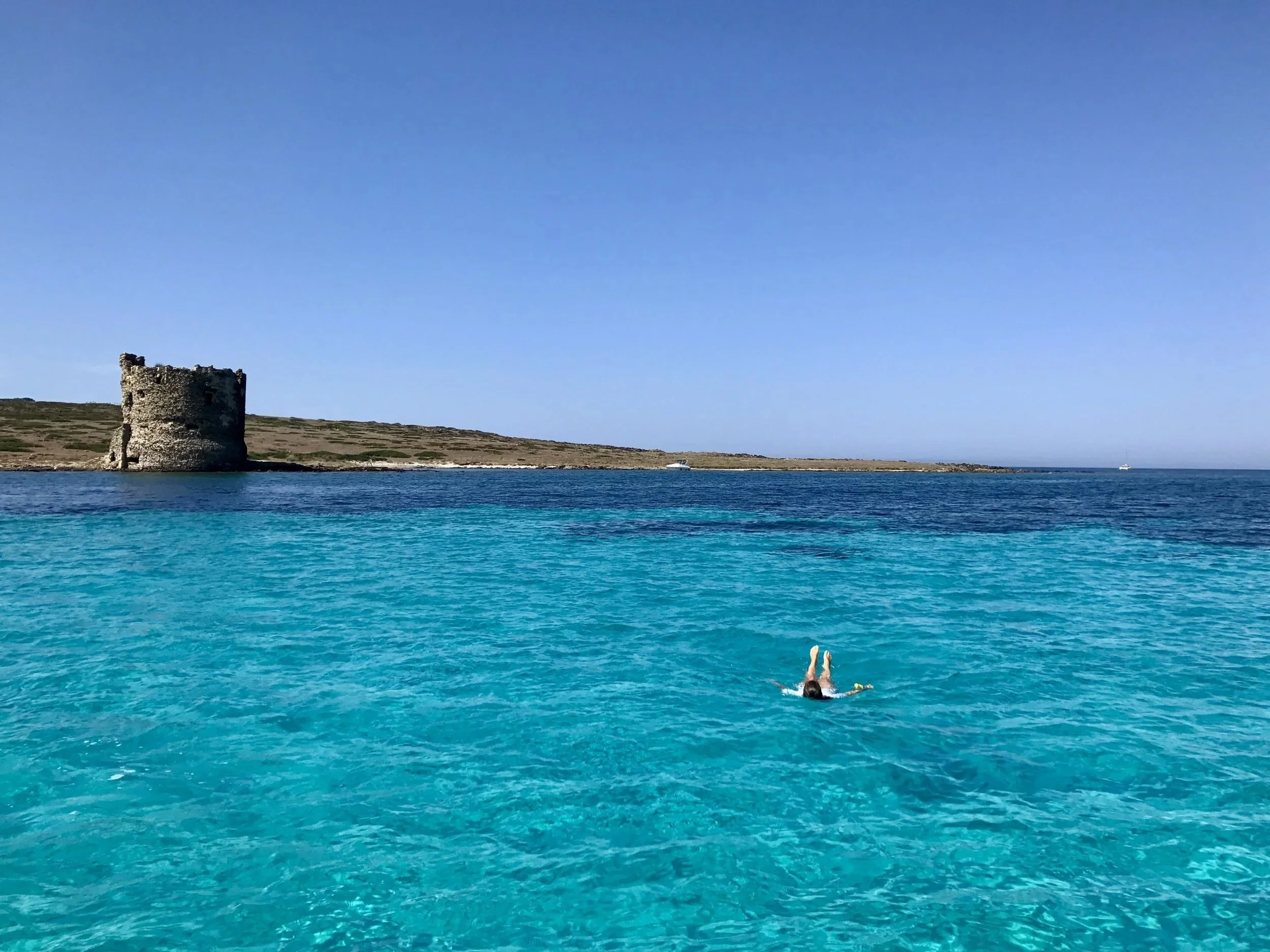
Floating off the coast of Sardinia, Italy

Read more about Sardinia here. And if you like Sardinia, you’ll also enjoy Cape Verde and St Lucia.

6. Isabela, Galapagos, Ecuador

Choosing just one Galapagos island feels unfair, but Isabela–the largest of the archipelago–captures the raw magic of the isles. Isabela is the only place on Earth where you can dive alongside marine iguanas, penguins, and sea lions at the same time. Thanks to its long-standing protected status, the wildlife here is unafraid and curious. It remains one of the most untouched and otherworldly places I’ve ever visited.
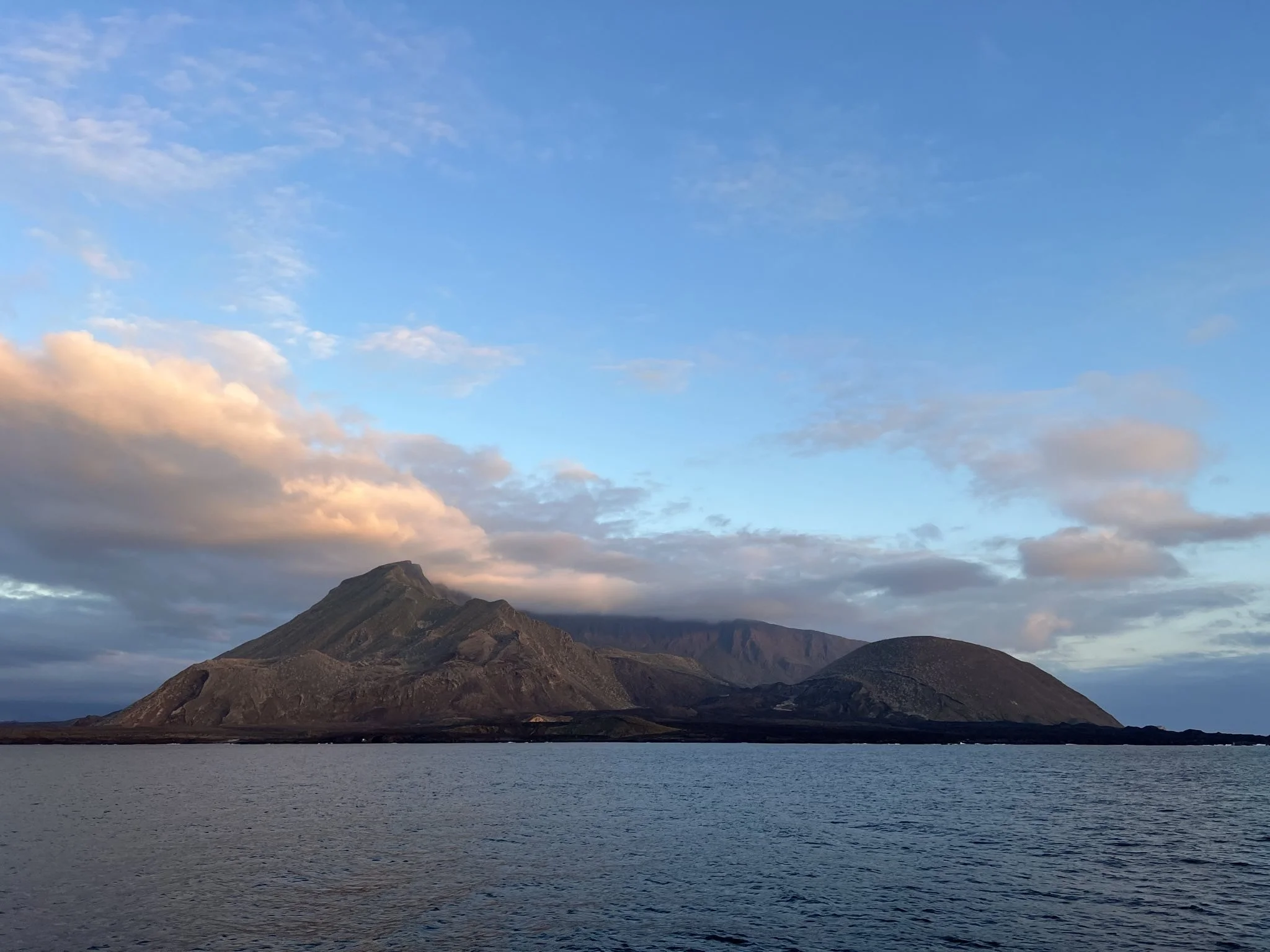
Isabela island Galapagos

Off the coast of Isabela, Galapagos, Ecuador

If you like Isabela, you’ll also enjoy South Georgia and Easter Island.

5. Faroe Islands

The Faroe Islands took me by surprise, charming me with their wild and unfiltered natural beauty, largely uninterrupted by humans. Puffins, gannets, and fulmars crowd cliff edges, waterfalls plunge straight into the ocean, and emerald-hued mountains shift constantly with whatever the ocean winds bring. Visit between May and October, when daylight stretches past midnight. Bring your hiking boots, and don’t miss booking a heimablidni (a home-cooked meal at a local’s house) for an authentic window into the Faroese culture and sustainable way of life. 
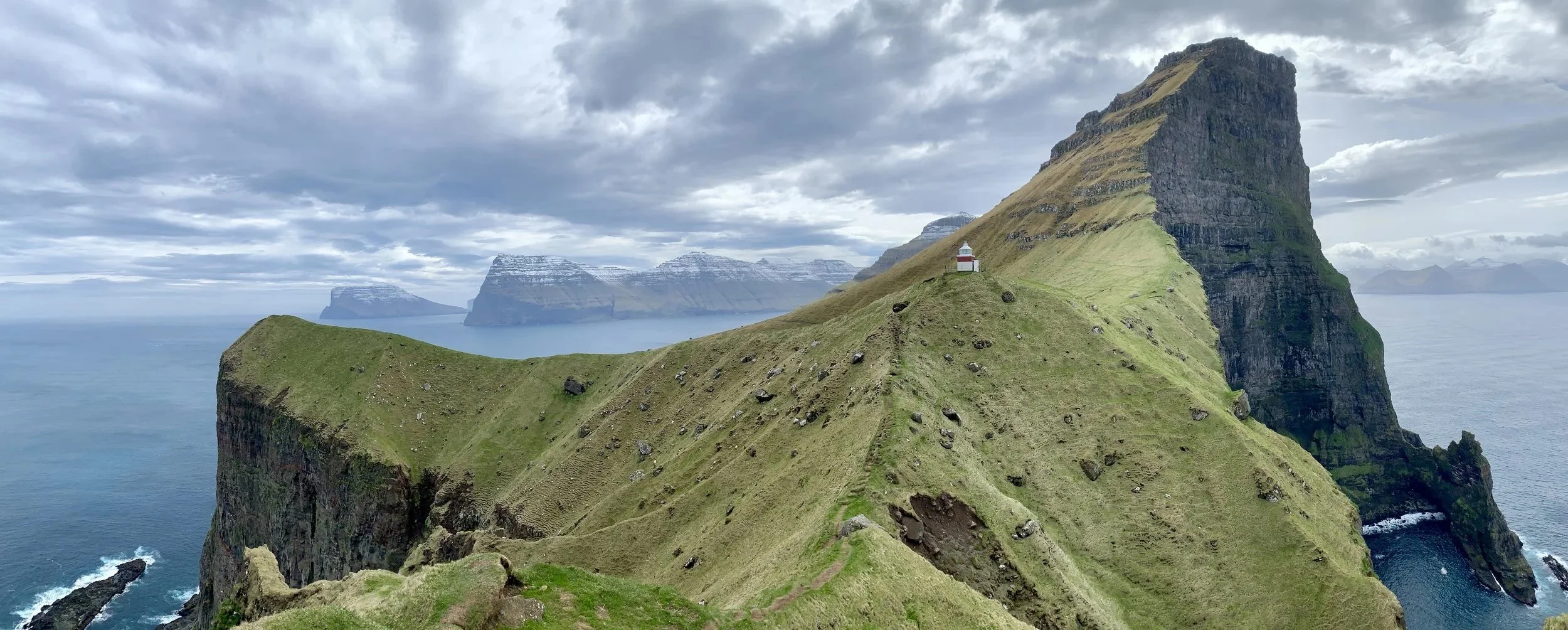
Faroe Islands Kalsoy hiking

Hiking in the Faroe Islands

Read more about the Faroe Islands here. And if you like the Faroes, you’ll also enjoy Greenland and the Shetlands.

4. North and South Islands, New Zealand

I couldn’t choose just one of New Zealand’s islands–the country is spectacular from end to end. The North Island offers geothermal landscapes, glowworm caves lit like starfields, and rich Māori culture. The South Island brings soaring peaks, glaciers, and some of the best hikes in the world. Fresh salmon, lamb, and wine top off the experience. On many trails, you are unlikely to encounter more than a handful of other people, an increasing rarity in today’s world. Needless to say, I dream of returning. 

South Island, New Zealand

Read more about New Zealand here and here. And if you like New Zealand, you’ll also enjoy the Faroe Islands and Niue

3. South Georgia

South Georgia is one of the wildest places on the planet. Apart from a few seasonal researchers, the island is uninhabited by humans and dominated by wildlife. South Georgia is home to the world’s largest king penguin colony (as well as chinstrap, macaroni, and gentoo penguins) along with massive populations of elephant seals, fur seals, and albatross. The island’s history is equally dramatic: this is where Ernest Shackleton landed after his crew’s legendary survival journey across the Weddell Sea off Antarctica. Stepping onto the island feels like stepping into a nature documentary–sure to hear David Attenborough’s voice at any moment.
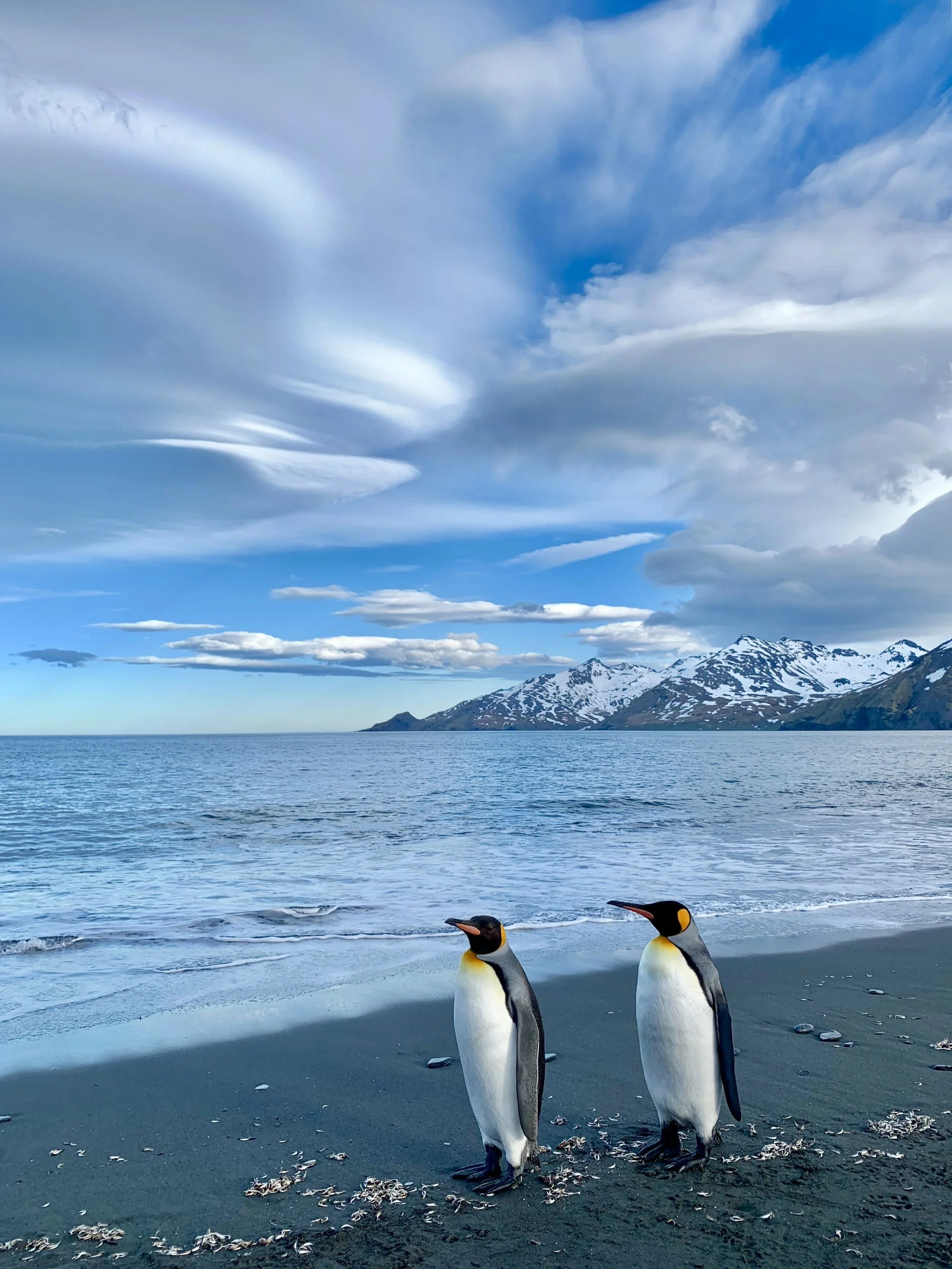
South Georgia penguins lenticular clouds

A couple of king penguins taking a stroll on South Georgia

Read more about South Georgia here. And if you like South Georgia, you’ll also enjoy the Falklands and Greenland.


2. Aldabra, Seychelles 

Aldabra is so pristine that only a handful of researchers live here year-round. It’s one of the few places on Earth where giant tortoises roam freely in astonishing numbers. Coconut crabs scuttle across the forest floor, and the lagoon hosts a thriving underwater world almost untouched by humans. Endless white-sand flats stretch into shallow turquoise water as far as you can see. If there’s a heaven on Earth, Aldabra is close.
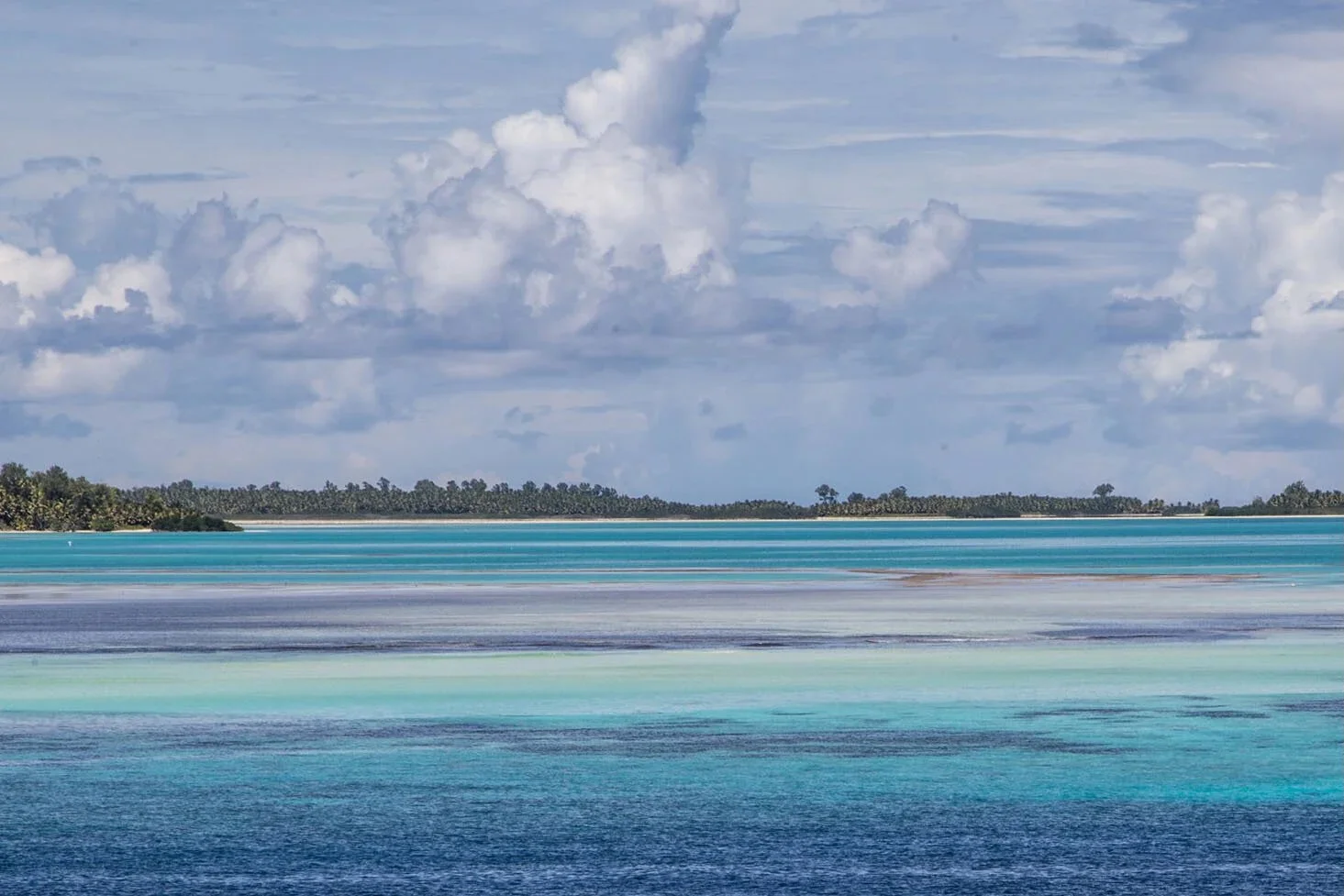
Seychelles Aldabra island

Endless hues of blue off Aldabra, Seychelles

Like South Georgia, Aldabra is uninhabited by humans with the exception of a few researchers from the Seychelles Island Foundation, formed to protect the local habitat. It is one of the only places in the world where you will encounter the giant tortoise, wandering alongside colourful coconut crabs and an underwater world teaming with life, largely unbothered by human interference. Impossibly long stretches of white sand disappear into aqua-hued shallow waters stretching into the horizon. If there is a heaven on Earth, this is it.  

If you like Aldabra, you’ll also enjoy Millenium Atoll (Kiribati) and Socotra (Yemen).


1. Ikaria, Greece

Named after Icarus, who flew too close to the sun, Ikaria is rugged, mystical, and fiercely independent. I first came to study Greek at the island’s cultural center, then returned again and again to explore its mountain trails, thermal springs, secluded beaches, and villages where time seems to run slower. Its famous honey, wine, and olive oil are some of the best in Greece. At just 99 square miles (255 km²), Ikaria feels both intimate and endlessly explorable.

Ikaria, named after Icarus, who flew too close to the sun, is wild, rugged, fiercely self-sufficient, and breathtakingly beautiful. I’ve travelled there more times than I can count, first to study Greek at the Ikarian Cultural Center, and later to explore more of the island’s diverse topography - stunning mountain hikes, hot sulfur pools, and sandy beaches - all backed by rich local products, from olive oil to honey to wine. Ikaria is just 99 square miles (roughly 255km), and yet each time I visit, I discover even more to explore. 
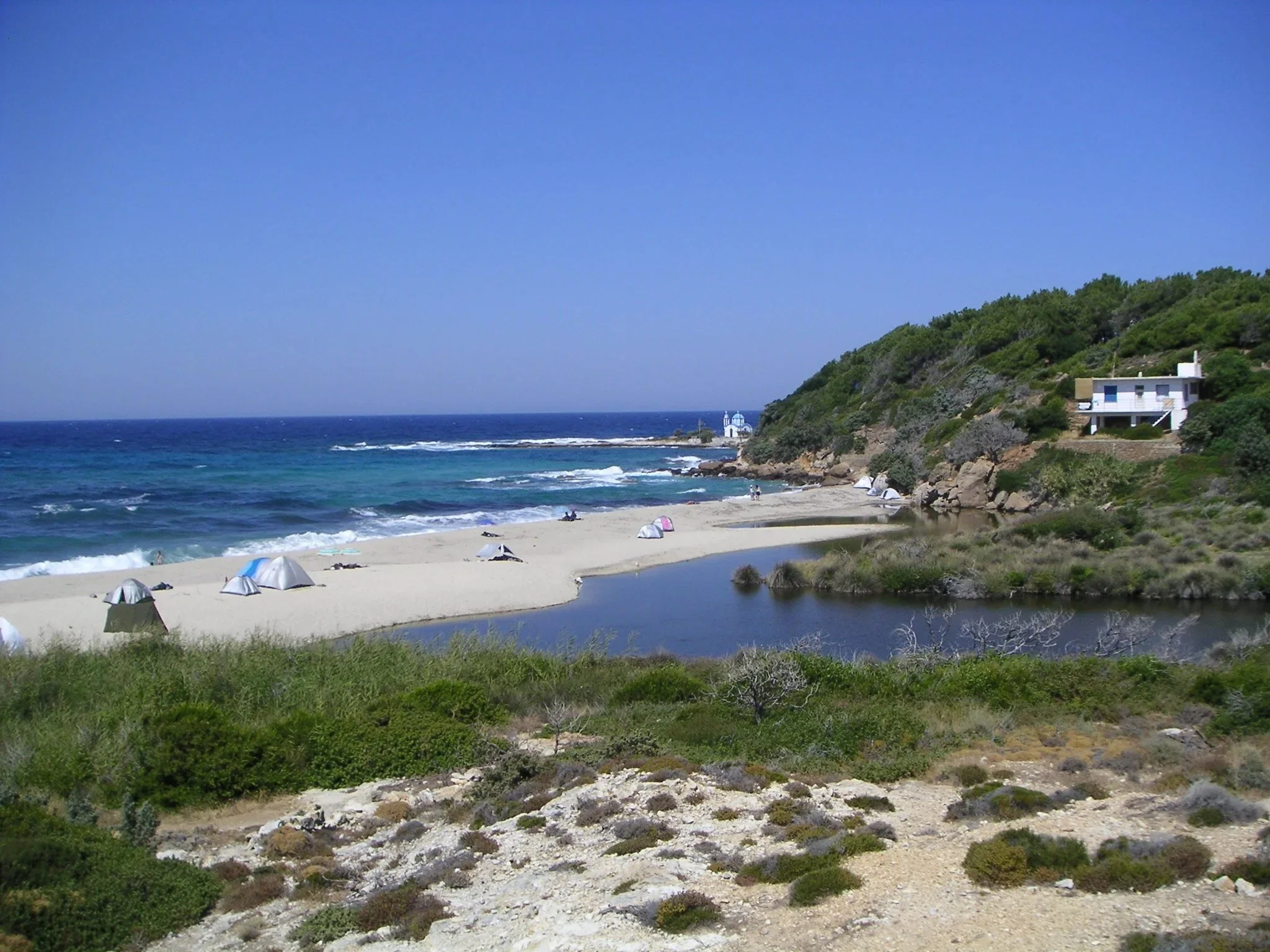
Greece Ikaria island beach

If you like Ikaria, you’ll also enjoy Sardinia and Miyakojima.

For more inspiration, check out my previous post on the Top 7 Beaches in the World.

In search of the path less traveled: Nicaragua

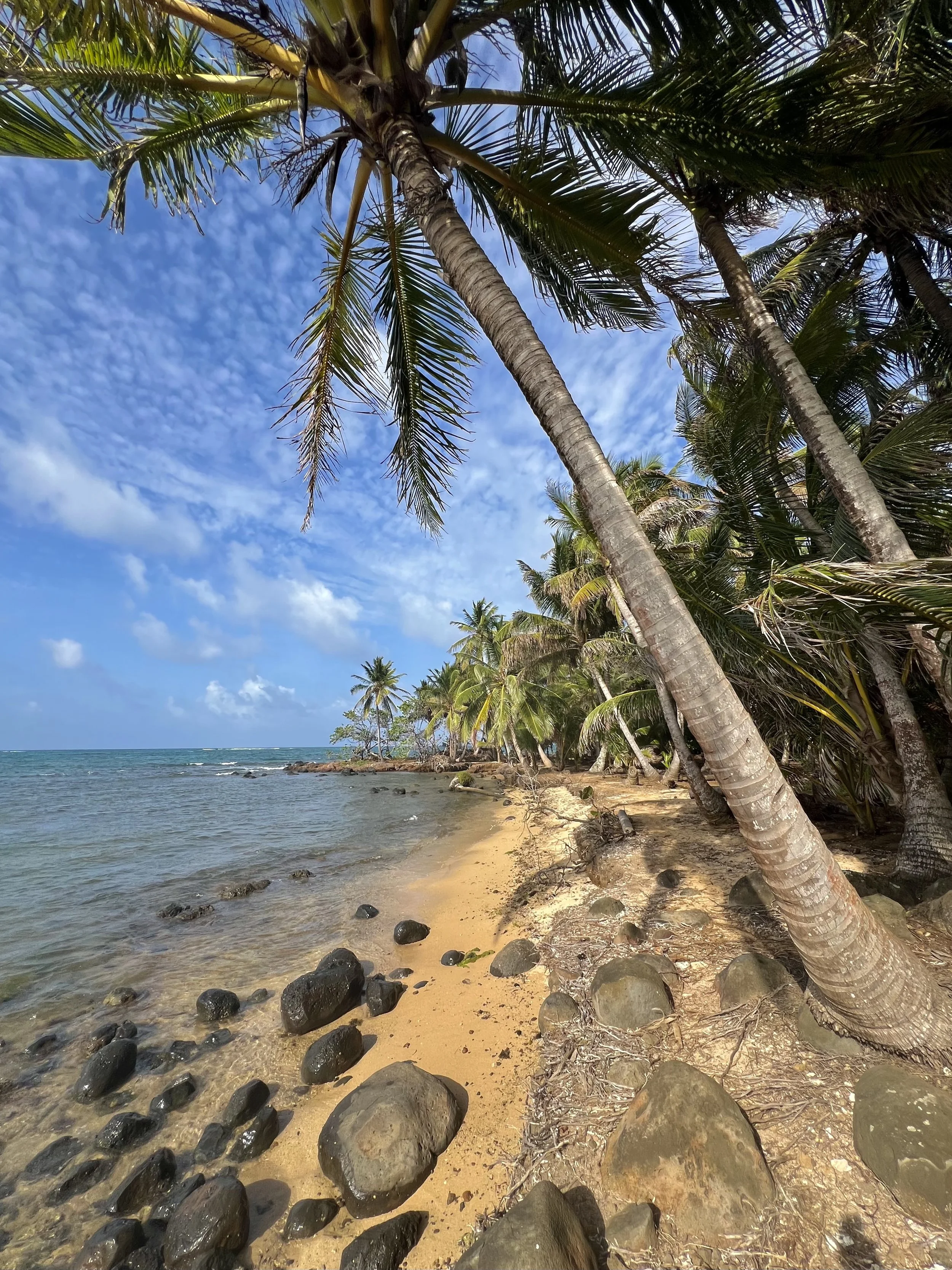
It will likely take you the whole day to get to Little Corn Island, a small speck of lush jungle meets hidden beaches, with just footpaths and boats to get around. The island is reachable only by boat from nearby Big Corn Island, itself accessible by ferry or flight from the mainland. Often the more difficult to reach places on this increasingly crowded planet are among the more alluring, and this is no exception.

Arriving to Little Corn Island, Nicaragua

Arriving to Little Corn Island

After 3 flights, a short group taxi, and a bumpy 45 minute boat ride run by some of the friendliest people around, all our weariness dissipated as we disembarked on Little Corn and walked a hundred metres or so to our lodging. Dropping off our bags, we ran out to the nearby beach to take a dip in the sea alongside the setting sun. Afterwards, we feasted on local seafood and pasta at the Italian-run Cafe Desideri, located among the cluster of eateries and sundry shops in town. By 10pm, every spot had closed, and most of the island was asleep amidst a calmness that is increasingly hard to find these days. No cars or motorbikes zoomed past in the night. Even a bicycle was a rare occurrence on an island on which everyone walks. And electricity on the island runs only at night.

Ferry to Little Corn Island, Nicaragua

Ferry arriving to Little Corn Island

We woke up early and excited for one of the purposes of our trip: scuba diving! Little Corn is surrounded by a shallow reef that is home to an abundance of sea creatures: octopus, turtles, lobster, crabs, shrimp, rays, nurse sharks, and more. We dove with Las Palmeras Dive Center, which is conveniently located and well-run. They typically offer two dives in the morning and a night dive departing just before sunset. The night dives were some of the best I’d experienced anywhere. We were treated to octopus sightings and flashes of bioluminescence when the moonlight disappeared behind some clouds in the sky above us, leaving us in darkness and better able to see the flashes of light all around. 

Beach, Little Corn Island, Nicaragua

Beach cove along the northern coast of Little Corn Island, Nicaragua

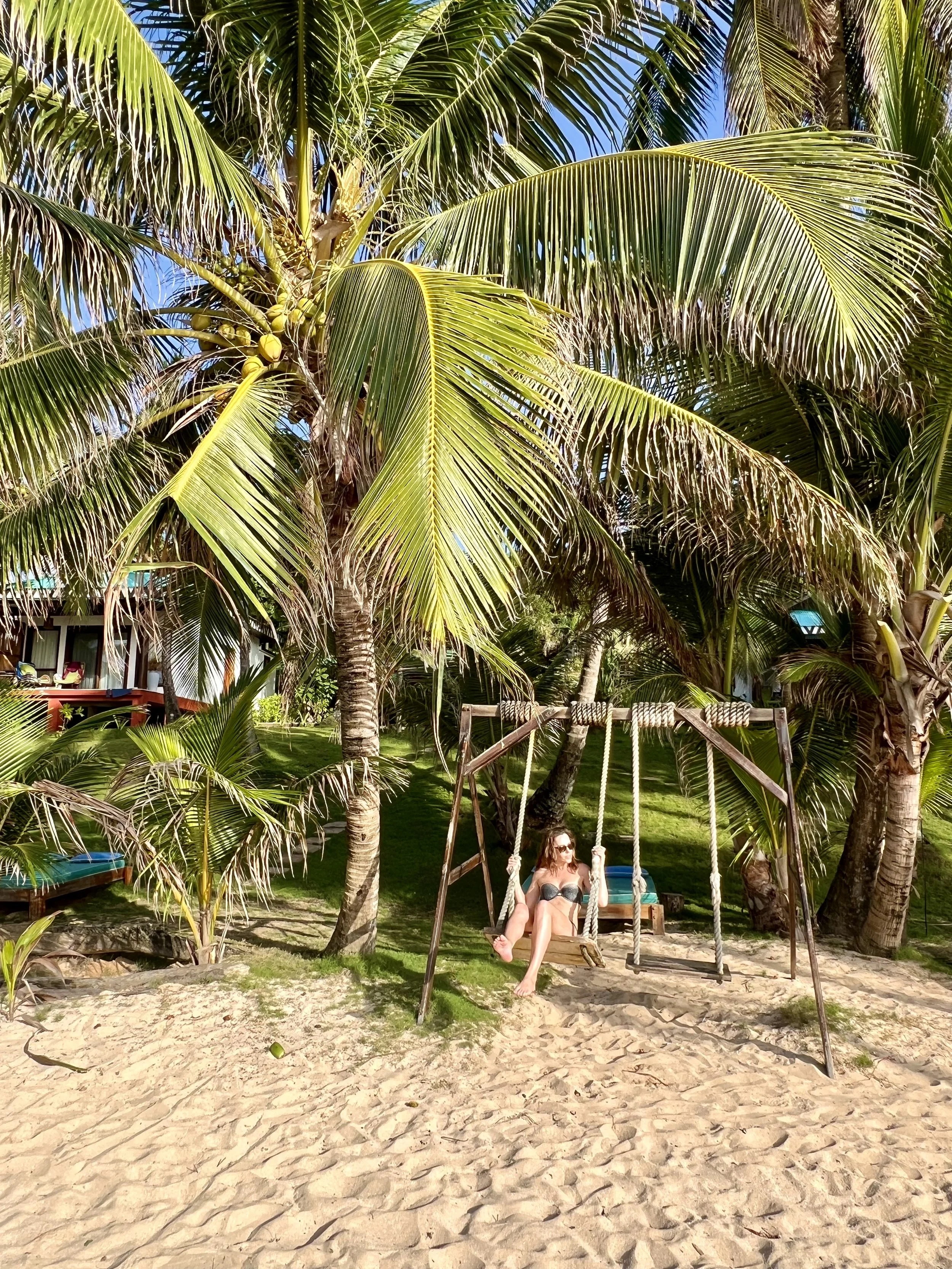
Dirt trails run across the island through tropical forest filled with mango and other seasonal fruit, leading to small beach coves framed by palm trees.  Worth a visit are the northern beaches (reachable via a 20 minute walk from town past the local stadium, or via a short boat ride), featuring gentle waves great for swimming, a fish shack, and an upscale restaurant called Erizo (part of the Yemaya Reefs resort, the only one on the island). We savored the rondon, a traditional island seafood stew with root vegetables simmered in a coconut milk broth; a cucumber and kiwi salad with calala dressing; palm hearts and fruit ceviche. 

Walking path, Little Corn Island, Nicaragua

Walking path on Little Corn Island

Yemaya Reef, Little Corn Island, Nicaragua

Yemaya Reef, Little Corn

A few coves to the east is Derek’s Place, another lodging option with hammocks and a laid back vibe. Tracking back inland to then join a path leading to the windward side of the island, you’ll reach Little Corn Beach and Bungalow and its restaurant, the Turned Turtle, where you can eat delicious local specialties with your feet in the sand while watching the waves roll in (note: open for breakfast and lunch only). On our last evening on the island, we had dinner by the southern edge of town at the casual, family-run Melissa’s, serving perhaps the tastiest food around. Named after their young daughter, Melissa’s features fresh, locally caught fish and lobster as well as chicken, served as a stew with vegetables and rice. 

Beach, Little Corn Island, Nicaragua

Losing track of time, Little Corn Island

We met a number of foreigners who had come to visit Little Corn, only to find themselves still there years later. The appeal of living on what can perhaps best be described as the edge of civilisation is strong, and it was with some regret that we took the boat back to Big Corn Island to continue our trip. We spent just one night on Big Corn, which was decidedly less charming. It did, however, feature one of the highlights of our trip: Bit Coin Island Bar. It’s a floating wooden bar located off of Arenas Beach (not to be confused with the impostor bar floating nearby, created to piggyback off the success of the original), and you reach it by standing on the beach and waving your arms until they see you and send a speedboat. We didn’t wait for more than a couple of minutes before being whisked away, and in no time at all we found ourselves in the care of Ana, the wonderful bartender who insisted on sharing playlists and dancing with us as the sun dipped below the horizon. 

Beach on Big Corn Island, Nicaragua

Big Corn Island

Sunset at Arenas Beach, Big Corn Island, Nicaragua

Sunset, Arenas beach, Big Corn Island

The following day, we made our way to Granada, located on the shores of Lake Cocibolca, one of many towns known for its colourful architecture, checkered history, and vibrant community in which Nicaraguans and foreigners mingle. Nicaragua’s colonial past is predictably on display, and it’s easy to visit the main sights in a day or two. We stayed at the central and charmingly designed Casa del Consulado, featuring a refreshing pool in one of the courtyards. A block away is the central square, where you’ll find street vendors and the main cathedral. The nearby Garden Cafe is a great option for lunch and has delicious fruit juices and cocktails. For dinner, the more upscale NM Culinary features an inventive take on local specialties, or try one of the many options along the pedestrian-only Calle La Calzada. We enjoyed the old world charm of Hotel Dario, with an open air restaurant and cafe overlooking a lush central courtyard.

Central square in Granada, Nicaragua

Granada’s vibrant central square

Horse carriage, Granada, Nicaragua

Horses ready for a ride, Granada

Calle la calzada, Granada, Nicaragua

Calle La Calzada, Granada

Worth visiting are the Church of the Mercy and the Iglesia Xalteva, each featuring a small belltower from which you can see the expanse of the town leading to the surrounding Mombacho and Masaya volcanos. We also enjoyed a cool stroll around Casa Tres Mundos, one of the oldest buildings in Granada, which today hosts contemporary art exhibits. Afterwards, treat yourself to a cold chocolate from the nearby Bate Bate Chocolate cafe, or even a chocolate massage at the Mansion de Chocolate. Nicaragua is a significant producer of cocoa, and it’s a great gift for those back home. It was time for us, too, to head back home, but the country has so much more to offer. I like to leave something for next time in places I’ve enjoyed visiting, and that is certainly the case with Nicaragua. 

Church in Granada, Nicaragua

The past meets the present, Granada

Where to eat and drink

Cafe Desideri, Little Corn Island

Tranquilo Cafe, Little Corn Island

Melissa’s, Little Corn Island

Turned Turtle (part of the Little Corn Beach and Bungalow), Little Corn Island

Erizo (part of Yemaya Reefs - upscale), Little Corn Island

Bit Coin Bar, Big Corn Island

The Garden Cafe, Granada

Bate Bate Chocolate, Granada

NM Culinary, Granada

Hotel Dario, Granada

Where to stay

Sunshine Hotel, Little Corn Island

Little Corn Beach and Bungalow, Little Corn Island

Derek’s Place, Little Corn Island

Yemaya Reefs, Little Corn Island

Hotel Casa del Consulado, Granada

St Lucia: crystal waters, cocoa, and craters

Few places have it all, but St Lucia is a serious contender. Staggering deep green mountains for hiking and climbing, rainforest trails filled with coffee and cacao trees, coral reefs teeming with life, and volcanic hot springs paired with a rejuvenating mud bath? Yes, yes, yes, and yes. What’s more, the people are some of the kindest I’ve met anywhere, and delicacies like saltfish and green figs, or freshly caught grilled fish paired with the local hot sauce, will leave you wanting for more.

St Lucia mountains rainbow

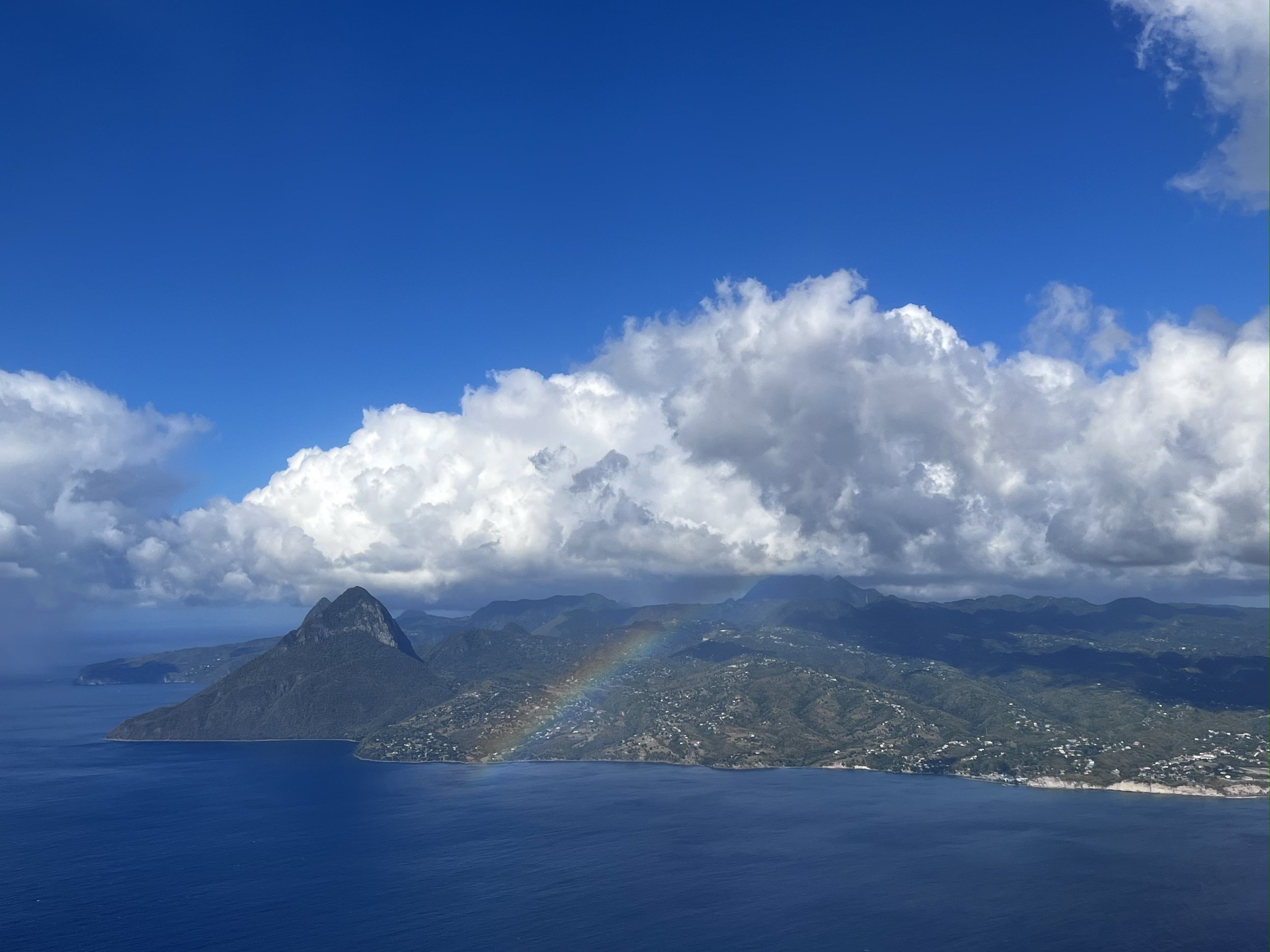
View of the Pitons flying into St Lucia

Flying into Hewanorra International airport, I was treated to a spectacular view of the green-covered twin peaks of Gros and Petit Piton (large and small, for the non-francophone), and quickly began to settle into island time. We stayed at Sweet Breezes, a simple but spacious rental home a stone’s throw from the more upscale Tet Rouge resort in a less populated area, and at night we marveled for hours at the vast quantity of stars we could see from our roof deck due to little light pollution. A few minutes’ walk took us to a small beach, where at night the waves shone with bioluminescence as they lapped the shoreline. This is a place where time seems to slow, allowing you to reconnect to what’s truly important. 

Sunset St Lucia beach

Sunset, St Lucia

St Lucia Jalousie beach

Jalousie beach, St Lucia

The sea here teems with life, and you’ll be treated to schools of bright yellow grunts, squads of hovering squid, and a lone camouflaging octopus or two whether you snorkel or scuba dive. I did a couple of great dives with Chester, who runs Action Adventure Divers out of Soufriere at the base of the Pitons. We sought out invasive lionfish during our dives, which Chester speared and then asked a friend to fry for us next to the dive shop. One of the best snorkeling spots is on the north side of Jalousie beach, which you can reach by boat or by road via the Viceroy’s high-end Sugar Beach resort. We saw moray eels both freeswimming and emerging from hiding spots in the coral, inquisitive Caribbean reef squid traveling in family-size units, and a pair of pillow-sized porcupine fish. All beaches in St Lucia are public, and we enjoyed strolling along the sand, admiring the Pitons towering on either side of us. We followed with local greens, grilled fish, fried chicken, and passionfruit-flavoured drinks at the beachside restaurant, our feet in the sand as the sun set into the sea.

St Lucia sunset palm tree

St Lucian sunset

Petit Piton hiking

View of Petit Piton whilst hiking Gros Piton

Feeling up for an adventure, the next day we awoke early to hike up Gros Piton. Upon arriving at the trailhead, we were paired with a local guide and asked to pay a $50 USD entry fee, which goes to the local community (note: you cannot go up without a guide and at least 1.5L of water per person, though I’d recommend bringing 2L or more). Reaching the summit requires roughly 2 hours of mostly uphill hiking, with 3 spots spaced roughly 30 minutes apart to stop, rest, and enjoy the views along the way. We were rewarded with a sense of accomplishment and spectacular views of both Petit Piton (a more difficult summit, involving some climbing) and the southern expanses of St Lucia, with the peak of La Soufriere volcano on St Vincent visible in the distance. The way down felt longer, as it often does, but fortunately a small hut selling delicious homemade ice cream and an assortment of cold drinks awaits.

St Lucia volcano crater

Volcano crater on St Lucia

St Lucia is also one of the few places you can drive into the crater of an active volcano. We were greeted by the strong smell of sulphur and a few friendly local employees, who took us to a lookout point from where we saw an assortment of bubbling hot pools and heard stories about the history and formation of the area. Afterwards, we dipped into the nearby mineral hot springs, slathering ourselves in volcanic mud with revitalising properties that locals and tourists alike swear by. Our skin did feel baby soft for a few hours afterwards, so it’s certainly worth a shot.

Should you be craving a different kind of bath, nearby is the Toraille waterfall, a pretty 50 foot (15 metre) drop into a cold wading pool—stand under it for a nice back massage. Alternatively, nearby is Hotel Chocolat, an eco hotel with a spa featuring exfoliating scrubs and massages with oils made from the cacao beans grown locally on the property. Feeling sufficiently relaxed, we toured the cacao groves, and our patient guide taught us how to make our own chocolate bars from the raw ingredients. Spoiler: it requires patience and a lot of grinding pestle against mortar, and results in some of the best chocolate you’ll ever have. 

Project Chocolat St Lucia

Our patient guide at Hotel Chocolat

Anse Mamin beach St Lucia

Anse Mamin beach, St Lucia

Desiring more time in the sea, we headed to the nearby beaches of Anse Chastanet and Anse Mamin. Accessible by boat or car, both feature large expanses of sand lapped by crystal clear waters with dramatic rock-hewn backdrops. The high-end, open air sister resorts of Jade Mountain and Anse Chastanet are located here, and we enjoyed the fish ceviche served in a coconut along with delicious burgers on the beach at the relatively quieter Anse Mamin. Whiling away an afternoon alternating between swimming, reading, and sunbathing was enough to forget the outside world, and splurging on a couple of nights at the nearby Caille Blanc villa was definitely the right choice.

A short drive or walk from the beach, Caille Blanc perches dramatically on the hillside, with an infinity pool overlooking perhaps the best view of the Pitons. The view is overshadowed only by the friendly staff, who will ensure your stay is as magical as their island. I spent hours gazing over the expanse of ocean and mountains, and the image of the twin Piton peaks remains etched in my mind like an invitation. It’s a place you’ll want to linger, taken in by its serenity as you reflect on how lucky we are to live in this world.

Caille blanc villa pool St Lucia

View of the Pitons from the infinity pool at Caille Blanc, St Lucia

Where to eat, drink, and stay

Jungle grill, Anse Mamin beach

Sweet Breezes rental home, Choiseul, Soufriere

Hotel Chocolat

Caille Blanc Villa

A few notes on logistics

In current times, you’ll need a negative covid PCR test taken within 72 hours of arrival to St Lucia. I recommend doing this early, as you’ll need to upload it to the tourism portal, after which you’ll wait to receive an email with a QR code that you’ll need in order to enter the country. If you stay at more than one hotel in the country during your stay, some may require an additional test. To return to the U.S., you’ll need a negative test taken within 24 hours. As I found pricing for this to be quite high on the island, I brought a travel-approved test with me from the U.S., which I took under a doctor’s supervision via video call from my laptop. 

Having a car is essential to getting around the island (unless you’re willing to splurge on repeated outings from your hotel or rental) and gives you the freedom to explore. Many attractions are concentrated along the western side of the island, and the region around Soufriere is great to use as a base. If you’re looking to explore the whole island, keep in mind that driving distances can be significantly longer than they appear on Google Maps due to the frequent curves and potholes you’ll encounter on the roads; driving from the southern part of the island to the north without stopping will likely take about 3-4 hours. I highly recommend the locally-run Sacred Heart car rental - communication was easy, and everything went smoothly.

Road trip: sands, stalagmites and snow in New Mexico

New Mexico is the stuff that road trip dreams are made of. Long stretches of lunar-like landscapes with distant peaks that always feel slightly out of reach, the kind of warm heat that you want to sink into and stay in a while. It’s a place for the adventurous, yes, but also the laid-back. Perfect for a solitary long weekend or a weeklong trip with a friend or partner. 

White Sands National Park

White Sands National Park

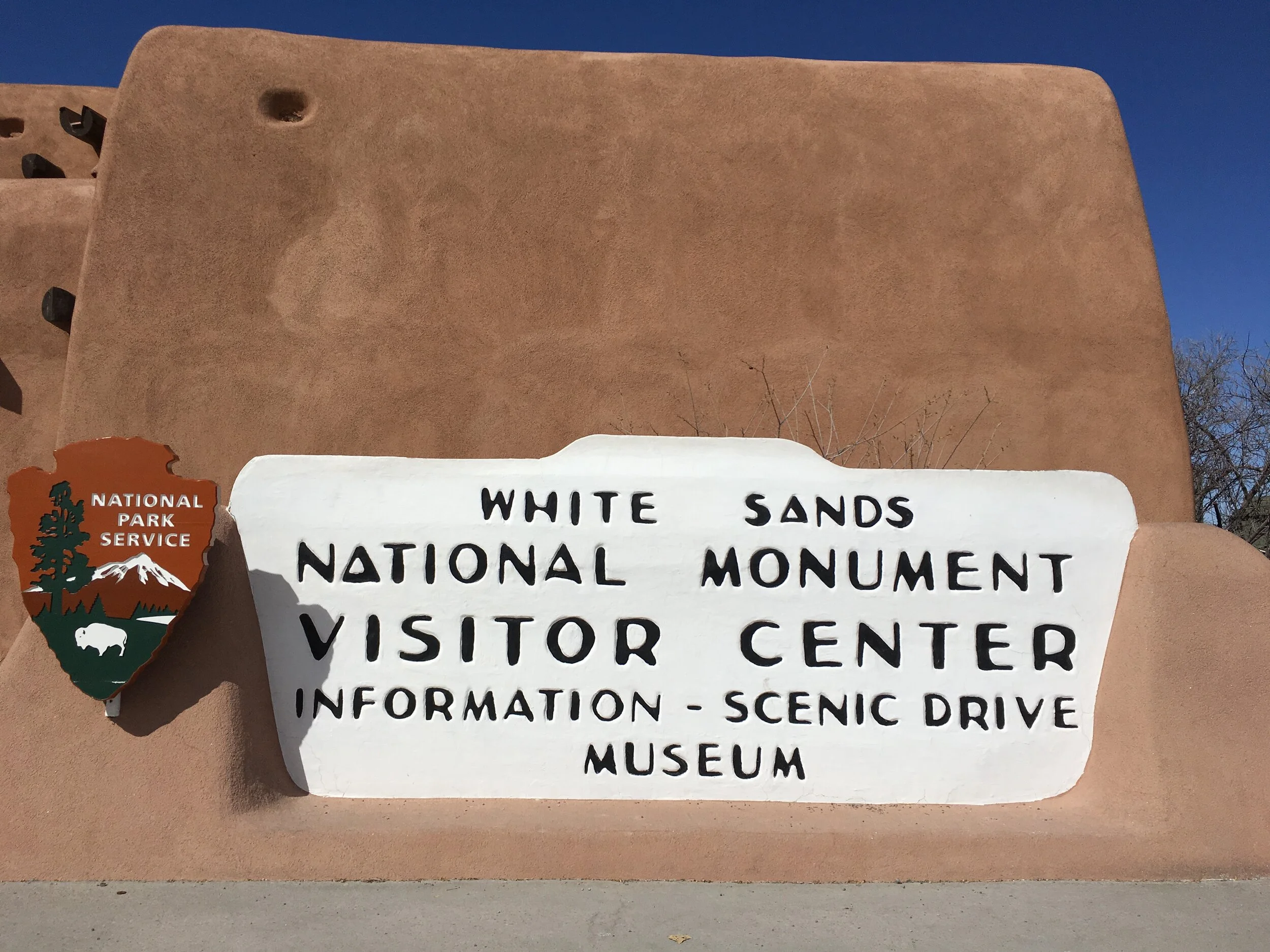
White Sands National Park visitor center

White Sands National Park visitor center

I started my trip in Albuquerque, which in pre-covid, fairytale times was serviced by daily nonstop flights on Jetblue from JFK. While the state has started opening up, not all parks are yet open, so be sure to check status before heading out. I drove south from Albuquerque, towards White Sands National Park, passing by the interestingly named town of Truth or Consequences, which is also home to a number of natural hot springs, followed by a classic breakfast of eggs, bacon, and French toast at Sugies Diner in Las Cruces. I arrived at White Sands National Park in the early afternoon and explored as the sky slowly turned from bright blue to deeper purple and pink as the evening crept in and the sun slowly began to set. It’s a place you’ll want to linger, yes, and plan your return.

A selfie moment at White Sands

A selfie moment at White Sands

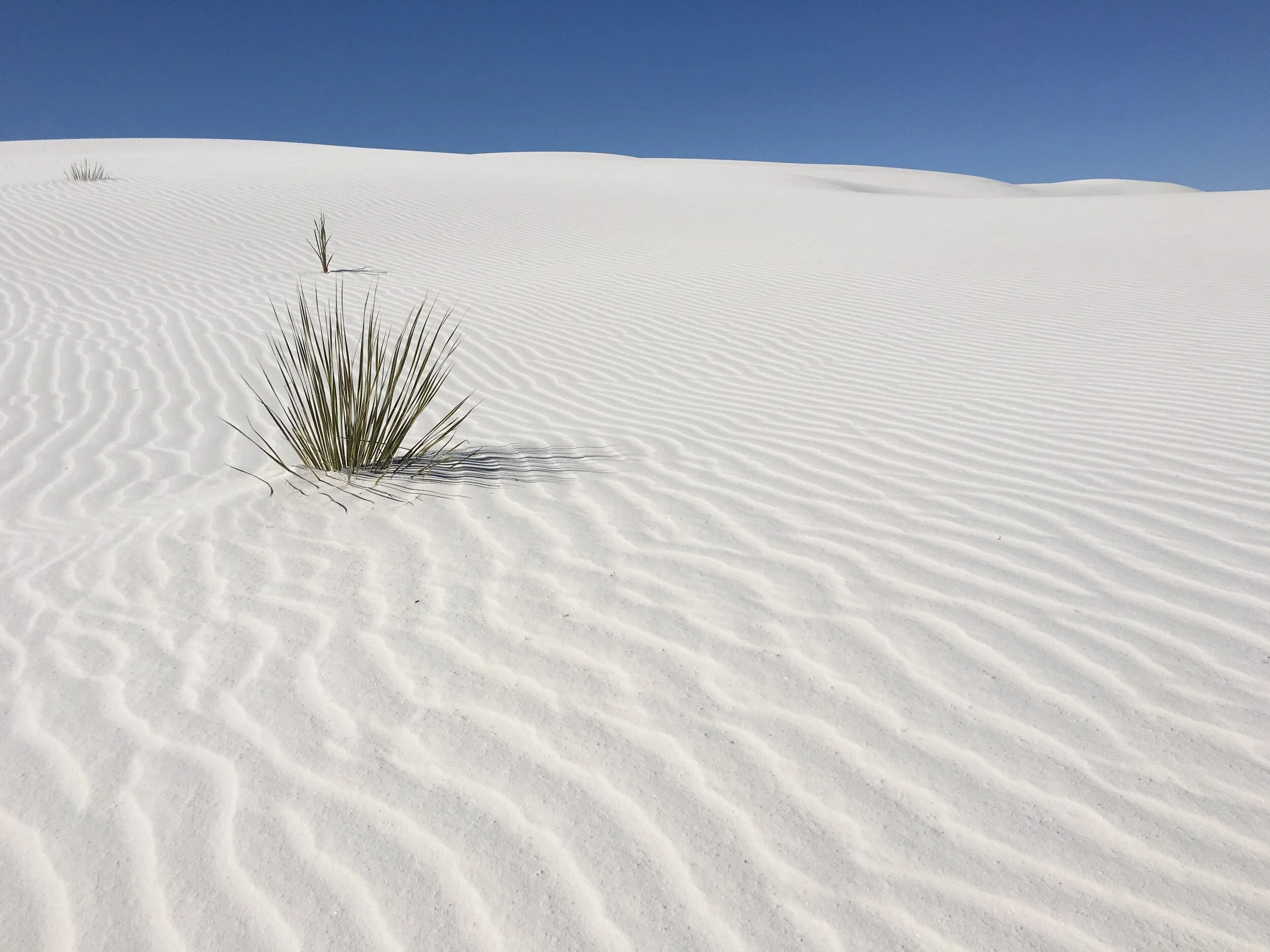
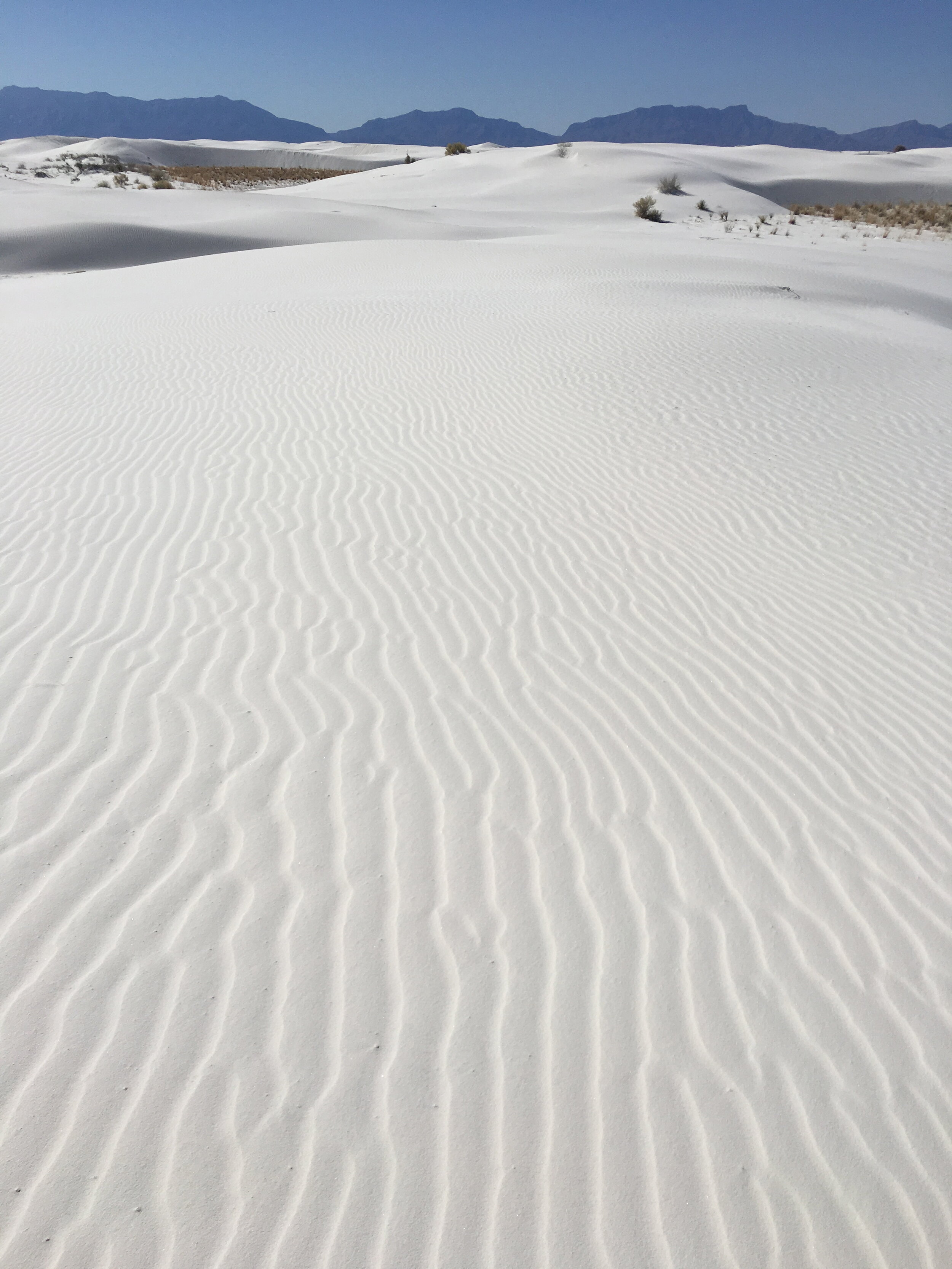
The sands get their white colour from gypsum crystals - the largest such dunefield on earth. Formed 7,000-10,000 years ago from selenite crystals that over time eroded into gypsum, White Sands National Park is today occasionally subject to closure, as it’s completely surrounded by the White Sands Missile Range. It’s certainly one of the most alien landscapes I’ve ever seen, and it’s easy to park your car at one of many stopping points in the park and quickly get lost in the dunes (be sure to bring plenty of water and know how to make your way back to your car). The deep blue outline of the San Andres range contrasts with the stark white wind patterns etched into the dunes, broken every so often by the thin lines of a determined desert plant. I experienced several dune stages: an initial liberating exploration marked by the sheer pleasure of running fresh tracks and rolling in the sand to feel its warmth; a secondary, more productive phase that entailed resurrecting childhood gymnastics moves; finally, a contemplative phase during which I sat in place, jotting down stray thoughts and having deeper conversations with friends and family in faraway places over the phone. 

White Sands National Park

White Sands National Park

White Sands National Park

White Sands National Park

White Sands National Park

White Sands National Park

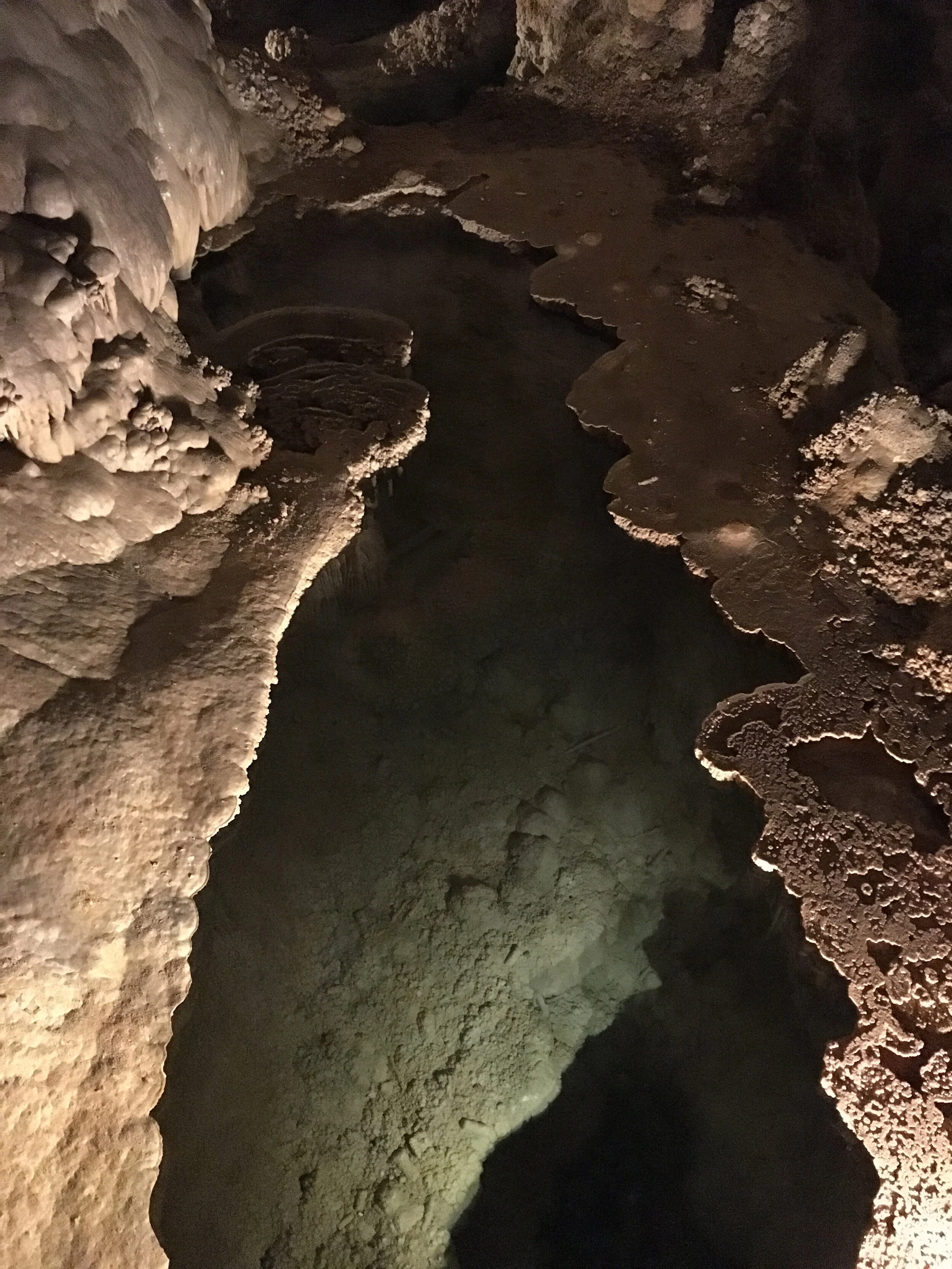
I would happily have lingered longer, but I’d booked a motel just outside Carlsbad for the night, and a longer drive through the Lincoln National Forest (during which it snowed!) still awaited me. I’d recommend staying in the area if you’ve got more time, but I really enjoyed arriving to Carlsbad Caverns National Park the next morning just before opening, which allowed me to be the first person to enter that day. Combined with a New York City walking speed, this meant I had a good 15-20 minutes alone in the depths of the caverns before any other visitors caught up to interrupt the slow dripping sounds echoing within the cave system. Much of the system is inaccessible to visitors, and the open part unfortunately has ropes and clearly-marked walking paths, which take away from what otherwise might feel closer to nature. It’s still very much worth a visit, especially if you can get there before the crowds. 

Stalagmites and stalactites at Carlsbad Caverns National Park

Stalagmites and stalactites at Carlsbad Caverns National Park

Carlsbad Caverns National Park

Carlsbad Caverns National Park

Driving north towards Santa Fe, I passed by Roswell, whose claim to fame is the “UFO” crash in 1947 (the UFO in question was actually a U.S. Air Force weather balloon), and which now houses a UFO museum and research center. As I approached Vaughn, the landscape became increasingly desolate, with an occasional shuttered gas station or motel that appeared to date back to the 1950s. It’s the kind of place where time has stopped, and most people simply pass through, but as I think back on my trip, those memories of the afternoon desert sun shining on a place fallen out of favour linger. 

Musicians in downtown Santa Fe

Musicians in downtown Santa Fe

Kakawa Chocolate House, Santa Fe

Kakawa Chocolate House, Santa Fe

I reached Santa Fe in the early evening, checking in to the Drury Plaza Hotel, for which I’d found an amazing rate online. It was a bit too chilly to use the rooftop pool, but I happily settled by the roaring fireplace in the lounge with a complimentary gin & tonic and light bites from the hotel’s free daily happy hour. Afterwards, I strolled through town, stumbling upon some live music, and picking up snacks and wine at La Casa Sena wine shop. I also enjoyed sampling some of Gruet’s delicious sparkling wines at their Santa Fe tasting room, and for dessert, Kakawa Chocolate house is unbeatable. Their hot chocolate elixir is some of the best I’ve ever had, and it’s impossible to leave without sampling some of their handmade chocolates. 

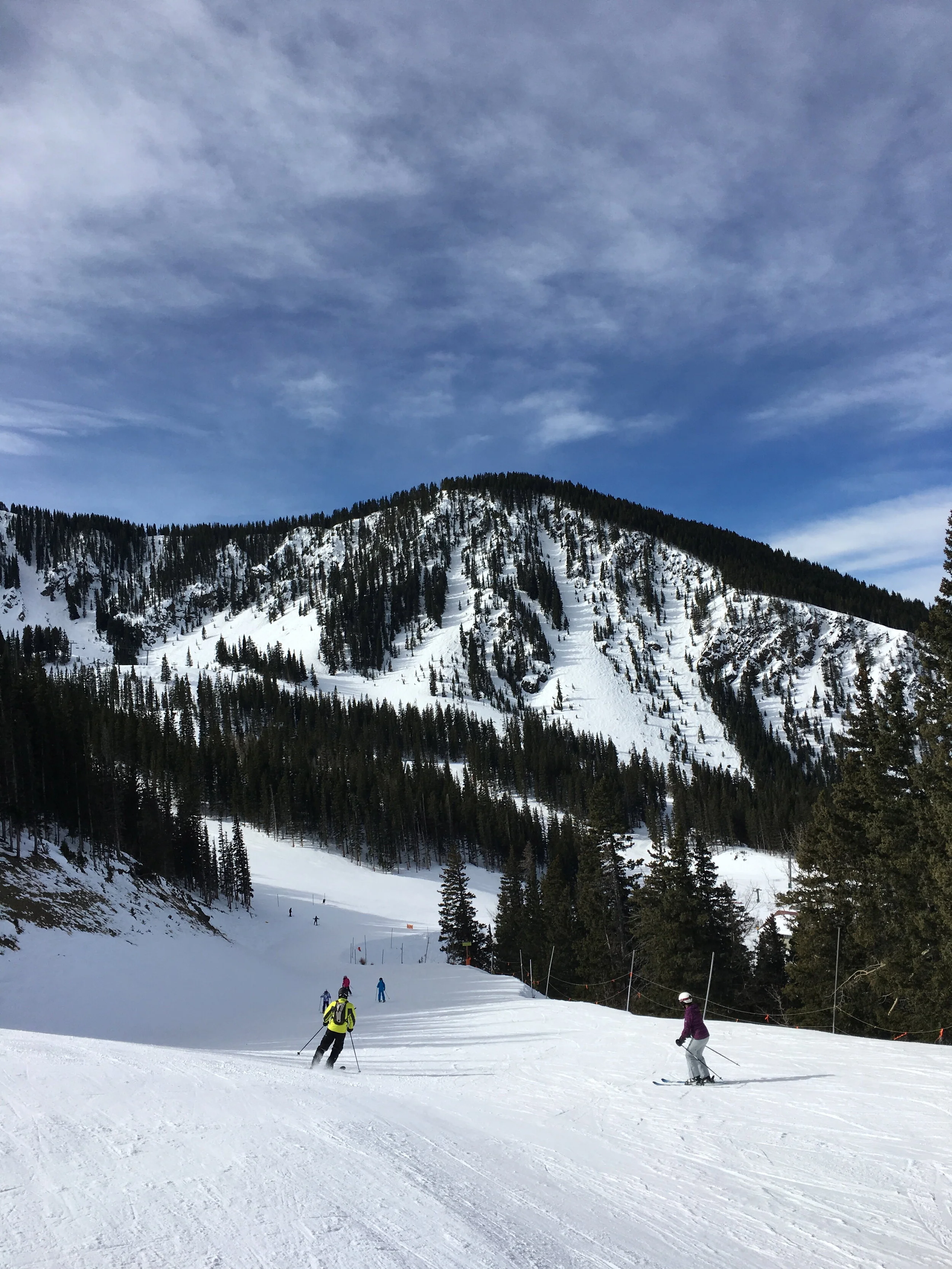
The following day, I set out early for the 2 hour drive to Taos for a day of skiing. The conditions at the mountain can be hit or miss depending on the snowfall, but the terrain is still exciting. After a few runs, I grew tired of the quaint, slow lift chairs that are in need of an upgrade - time truly does feel like it runs more slowly. 

Skiing at Taos

Skiing at Taos

Skiing at Taos

Skiing at Taos

En route back to Santa Fe, I passed through a number of picturesque towns, including Arroyo Seco, which features a few small gift shops. Should you have more time, further west lies Carson National Forest, home to more stunning landscapes, including the area around Abiquiu, from where Georgia O’Keeffe drew inspiration. As mine was a shorter trip, I had to settle for checking out some of her art at the small but excellently curated Georgia O’Keeffe museum in downtown Santa Fe. The more I travel, the more I like to give myself a reason to go back to a place I really enjoyed to which I might not otherwise pay another visit. So, New Mexico, I’ll be back!

Where to eat & drink

Sugies Diner, Las Cruces

Gruet’s tasting room, Santa Fe

Kakawa Chocolate house, Santa Fe

La Casa Sena, Santa Fe

Where to stay

Drury Plaza Hotel, Santa Fe

Paintings at the Georgia O’Keeffe museum in Santa Fe

Paintings at the Georgia O’Keeffe museum in Santa Fe

In the land of stones, spices and spirits

In a recent op-ed in the New York Times, Martin Scorsese writes that cinema is “about revelation—aesthetic, emotional and spiritual revelation,” and the best films are the ones that take risks to engage, excite and thrill the audience. I was reminded of his words over lunch last week at Pitiona restaurant in Oaxaca, Mexico, where I ate perhaps my favourite meal of the year. The menu features a wide range of dishes, and I wanted to try every single one. Chef José Manuel Baños combines local ingredients such as tasajo (a cut of beef), grasshopper and amaranth with a flair for unusual, unique combinations that delight the palate. Over a spectacular meal of passionfruit ceviche, guacamole with crickets and tasajo, chickpea mushroom soup, arroz milpa with duck chicharron, and snapper with leek foam, I reflected that Scorsese’s words can be aptly used to describe the culinary arts as well. What more could you want? A spectacular view overlooking the baroque, green-hued Santo Domingo church. Yes, there is that, too.

Passionfruit ceviche masterpiece at Pitiona restaurant

Passionfruit ceviche masterpiece at Pitiona restaurant

Pitiona restaurant, Oaxaca

Pitiona restaurant, Oaxaca

Street scene in Oaxaca

Street scene in Oaxaca

Hot chocolate at Mayordomo

Hot chocolate at Mayordomo

We ate another memorable meal at Alfonsina (cash only, reservations required), on the outskirts of Oaxaca city, located by a courtyard the owner-chef shares with his neighbours. Five courses (including a dessert course) are served at a communal table. Among the dishes we were treated to were a flavourful corvina ceviche in a sesame-based sauce, and, later, the same fish cooked in a spicy mole sauce. We walked off lunch around the Zócalo, Oaxaca’s main square, over which the Cathedral prominently soars, and checked out local arts and crafts in the nearby markets. The Zócalo is also a great spot for people watching while sipping on a local hot chocolate at Mayordomo (get the one with no added sugar with milk as a base), which you can also bring home with you. 

Mitla

Mitla

Stonework details at Mitla

Stonework details at Mitla

Monte Albán

Monte Albán

Textile museum in Oaxaca

Textile museum in Oaxaca

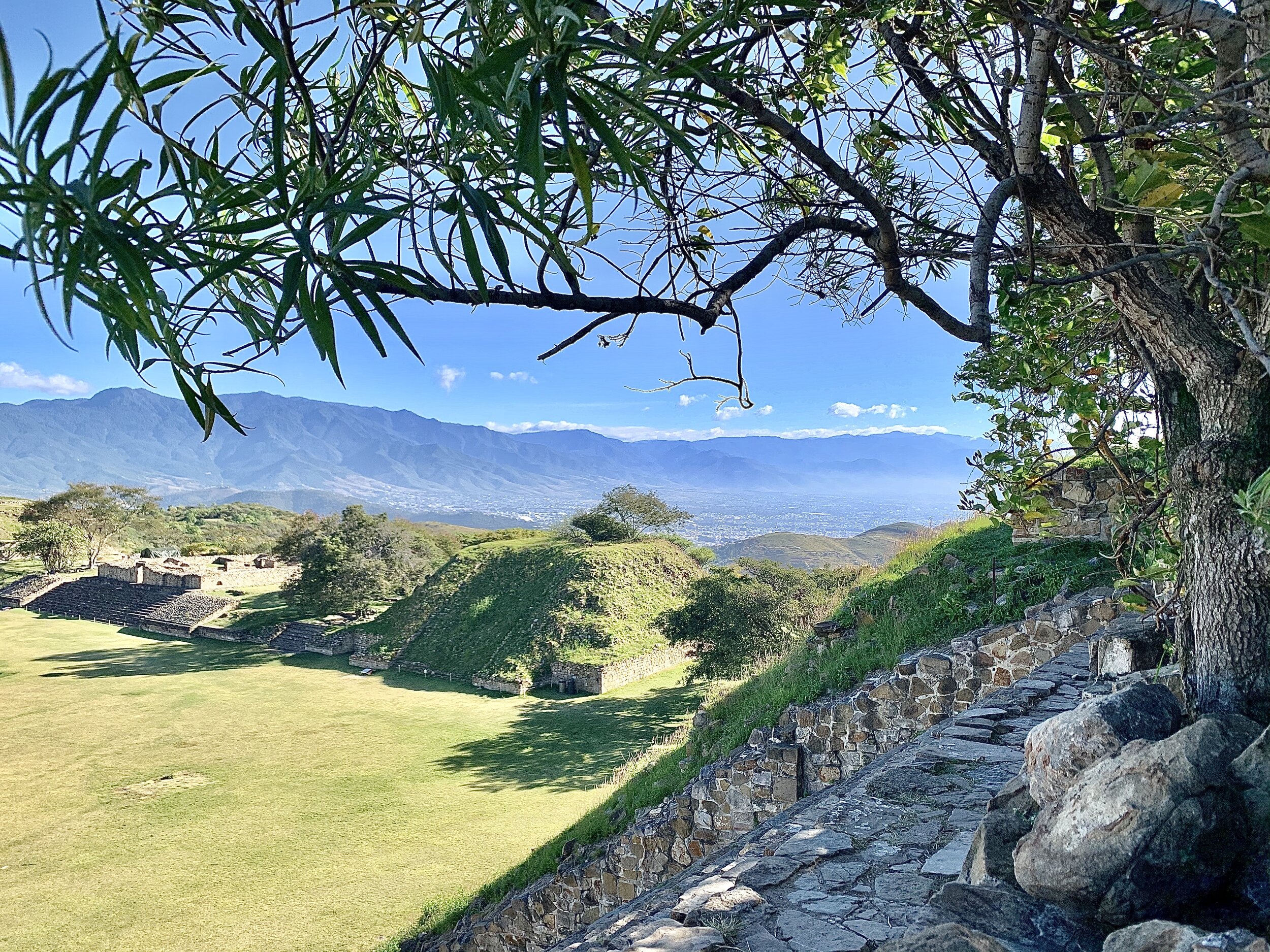
When not eating, Oaxaca’s vibrant culture and history will easily fill up several days, if not weeks. Don’t miss the aforementioned Santo Domingo church, and the Textile Museum was well worth a stop. Skippable is the small botanical garden, which forces you on a painfully slow, two-hour tour to view the resident plants. We particularly enjoyed contrasting the neighbouring Zapotec sites of Mitla and Monte Albán. The former is small, easily seen in the span of an hour, and features intricate stonework that does not use any mortar. It is impressive how well-preserved many of the structures are. Monte Albán, on the other hand, is a sprawling site, less focused on the details of the stonework and more so on the layout and community that once thrived there. Wandering among the temples, some dating as far back as 2,500 years ago, you sense how small our presence is in the wider span of history. What will human civilisation be like 2,500 years hence? We pondered this and other questions over drinks at Selva, a newly opened mezcal-focused cocktail bar, back in the city. The vibe is jungle chic, the staff are incredibly friendly, and the drinks were so flavourful that one quickly turned into three. 

Hierve el Agua

Hierve el Agua

Hierve el Agua pools

Hierve el Agua pools

Another pool at Hierve el Agua

Another pool at Hierve el Agua

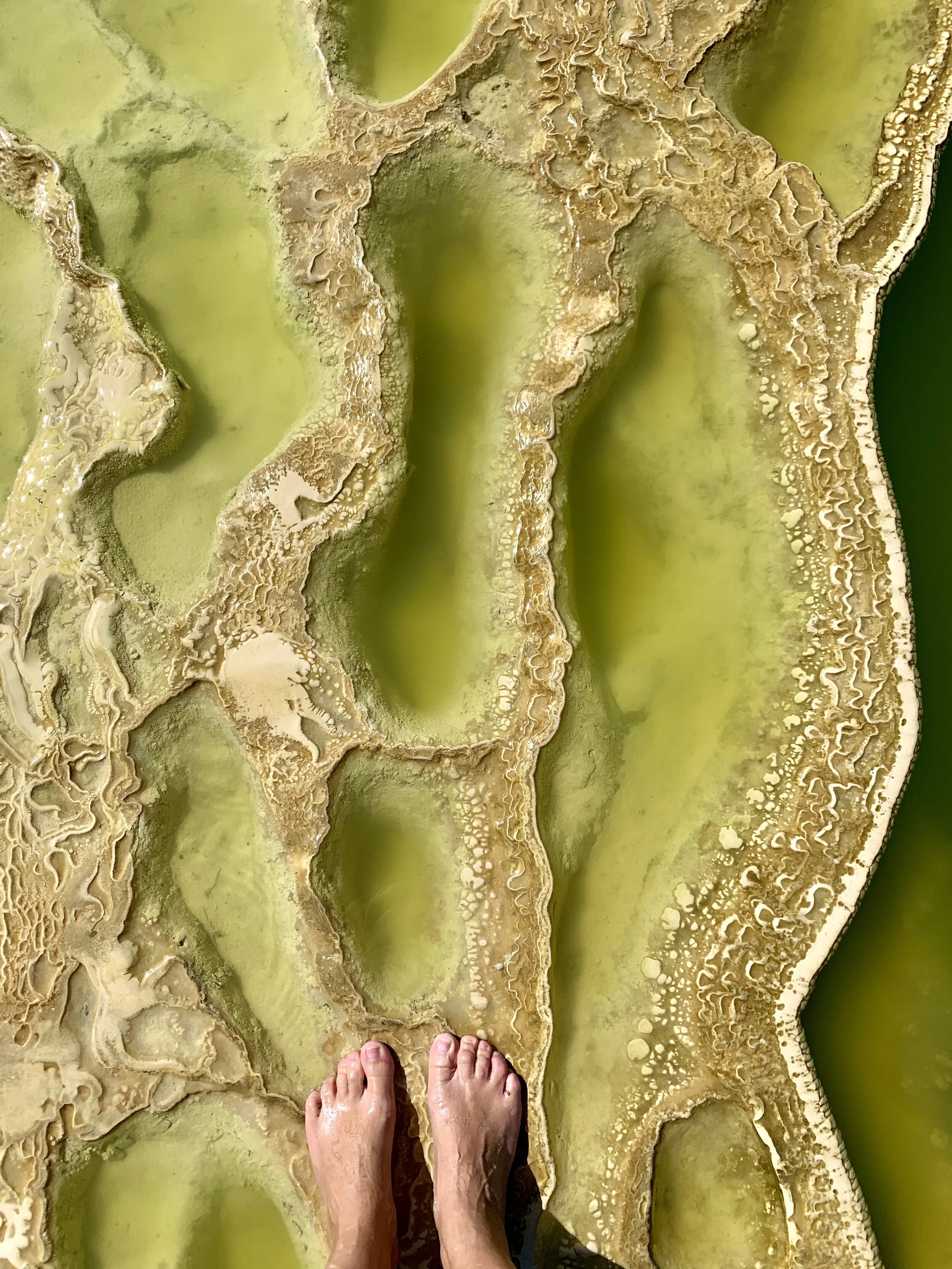
One of the most stunning sites in the area is made by nature rather than humans: Hierve el Agua, a set of calcified waterfalls and small, vibrantly coloured pools in various hues of green, yellow and blue. The formations are deposits of calcium carbonate and other minerals that remain from previous waterfalls, a similar process to the creation of stalactites in caves. We arrived when the site opened and were lucky enough to have it largely to ourselves for about 45 minutes, during which we staged a photoshoot of Instagram-worthy calibre. Best of all, you can take a dip in the pools, refreshing when outdoor temperatures climb quickly with the exposed sun. Should you want to stay in the area (it’s about a 2 hour drive back to Oaxaca), I highly recommend our Airbnb in Mitla (walking distance to the ruins). It’s run by a young family and features a large pool and patio, a cactus garden, a vinyl record player (and records), striking sunsets, and spectacular stargazing, at roughly $60 USD/night. Our only regret was not staying longer.

Our Airbnb in Mitla

Our Airbnb in Mitla

Playa Zipolite

Playa Zipolite

For those that have more time, I’d recommend renting a car to travel further afield. We enjoyed the curvy mountain road between Oaxaca and Puerto Ángel, which climbs and climbs through the mountains, giving you stunning views over the surrounding range. We also passed through the town of San José del Pacifico, known among tourists for its temazcal rituals (basically a mud sweat lodge) featuring locally picked magic mushrooms (the season runs from June to September). Once you hit the coast, you’ll be rewarded with long stretches of beach featuring nudists (at Playa Zipolite) or surfers (at Mazunte or Puerto Escondido). I’d recommend lingering (one-way car rentals are offered by Puerto-Escondido based U-car) to sink into the slower pace of life here. We had a fantastic dinner at the Italian-run Bacco, featuring homemade pastas and fresh, locally-sourced toppings for pizzas, fish and meats. At night, should you visit around the time of a full moon, which we luckily did, you’ll see bioluminescence in the ocean as you watch the waves crash on the beach. It’s the perfect end—or beginning—to a spiritual and cultural journey through this most fascinating of Mexican states.

One of hundreds of striking courtyards in Oaxaca

One of hundreds of striking courtyards in Oaxaca

Where to eat & drink

Pitiona, Oaxaca

Alfonsina, Oaxaca outskirts

Mayordomo, Oaxaca

Selva, Oaxaca

Bacco, Playa Zipolite

Where to stay

Airbnb in Mitla