Top

Sardinia

Top 7 Most Beautiful Islands in the World

Islands have an irresistible pull, and I visit and write about them often (and even live on one). Our planet has hundreds of thousands of islands; below are a few favourites that I’ve encountered in my travels. 

7. Sardinia, Italy 

Sardinia has it all: dramatic cliffs plunging into turquoise coves, ancient history etched into the land, and a fiercely proud culture reflected in dishes found nowhere else in Italy. However long you stay on your first trip, it won’t be enough: you’ll already be planning your return before you leave. The island’s past, shaped by Phoenicians, Romans, and Spaniards, lend it a depth and diversity that makes every town feel unique. 
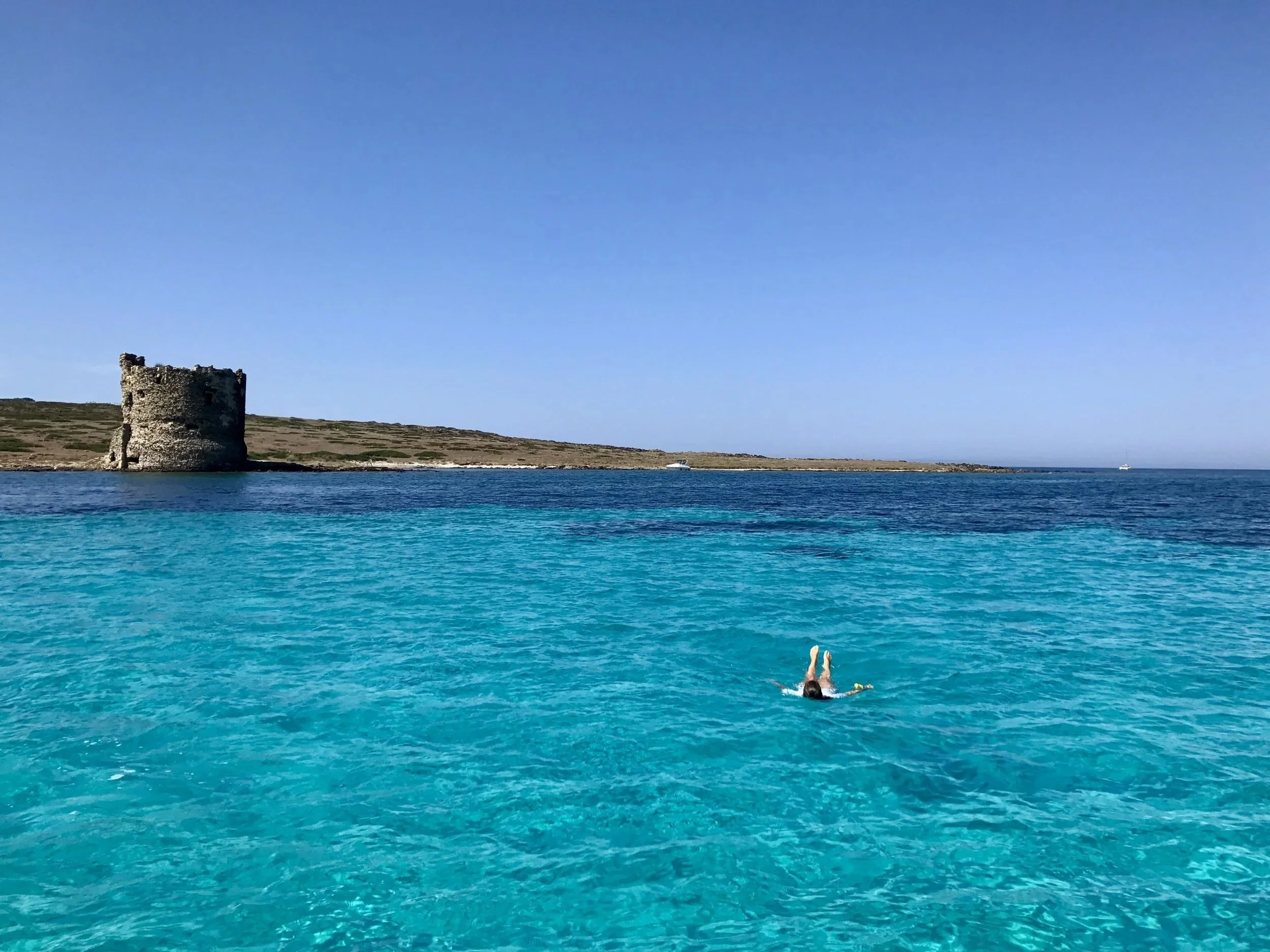
Floating off the coast of Sardinia, Italy

Read more about Sardinia here. And if you like Sardinia, you’ll also enjoy Cape Verde and St Lucia.

6. Isabela, Galapagos, Ecuador

Choosing just one Galapagos island feels unfair, but Isabela–the largest of the archipelago–captures the raw magic of the isles. Isabela is the only place on Earth where you can dive alongside marine iguanas, penguins, and sea lions at the same time. Thanks to its long-standing protected status, the wildlife here is unafraid and curious. It remains one of the most untouched and otherworldly places I’ve ever visited.
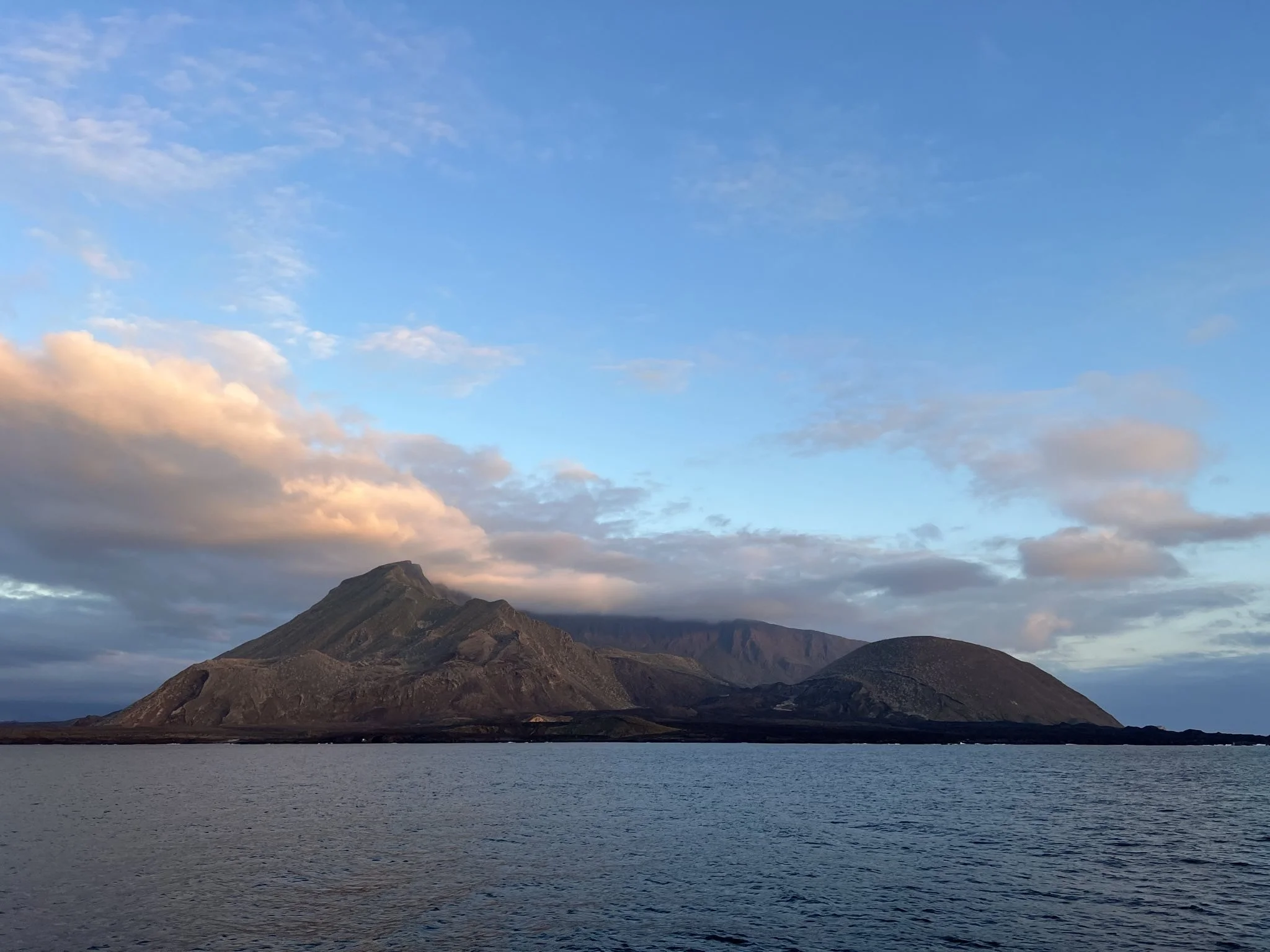
Isabela island Galapagos

Off the coast of Isabela, Galapagos, Ecuador

If you like Isabela, you’ll also enjoy South Georgia and Easter Island.

5. Faroe Islands

The Faroe Islands took me by surprise, charming me with their wild and unfiltered natural beauty, largely uninterrupted by humans. Puffins, gannets, and fulmars crowd cliff edges, waterfalls plunge straight into the ocean, and emerald-hued mountains shift constantly with whatever the ocean winds bring. Visit between May and October, when daylight stretches past midnight. Bring your hiking boots, and don’t miss booking a heimablidni (a home-cooked meal at a local’s house) for an authentic window into the Faroese culture and sustainable way of life. 
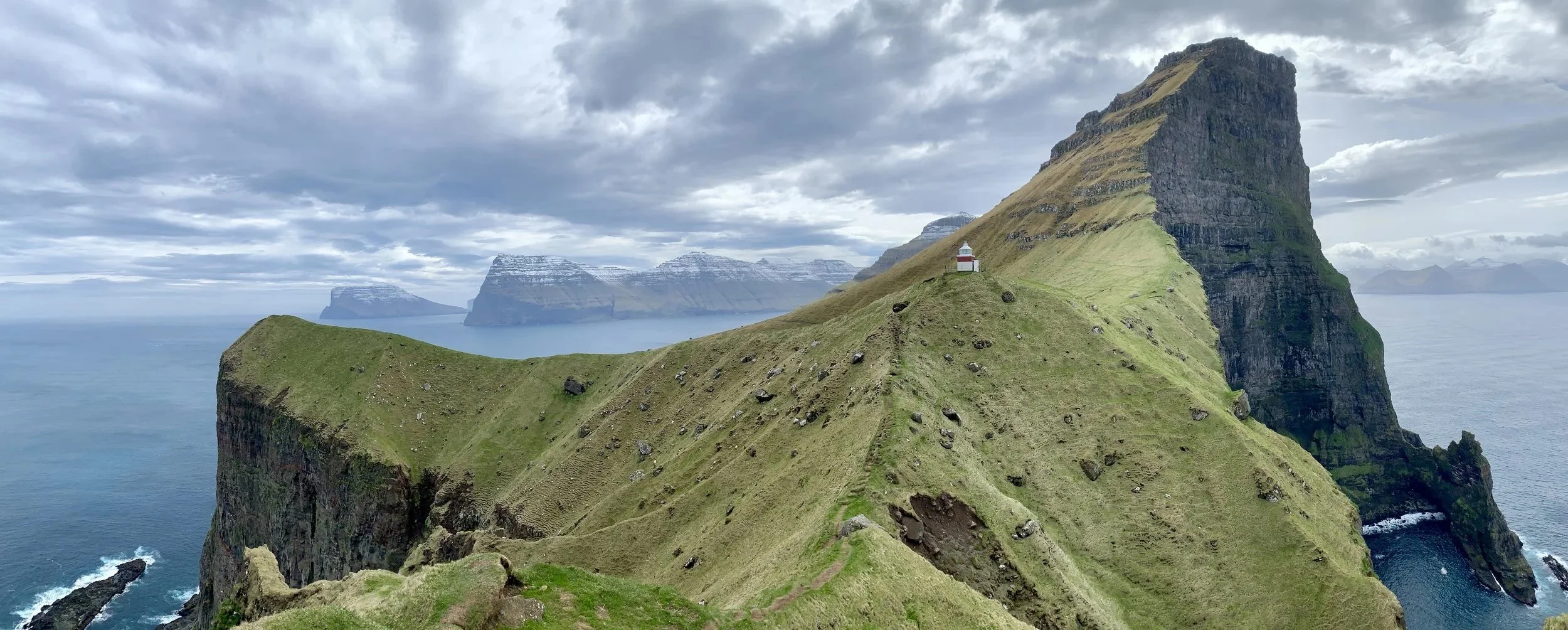
Faroe Islands Kalsoy hiking

Hiking in the Faroe Islands

Read more about the Faroe Islands here. And if you like the Faroes, you’ll also enjoy Greenland and the Shetlands.

4. North and South Islands, New Zealand

I couldn’t choose just one of New Zealand’s islands–the country is spectacular from end to end. The North Island offers geothermal landscapes, glowworm caves lit like starfields, and rich Māori culture. The South Island brings soaring peaks, glaciers, and some of the best hikes in the world. Fresh salmon, lamb, and wine top off the experience. On many trails, you are unlikely to encounter more than a handful of other people, an increasing rarity in today’s world. Needless to say, I dream of returning. 

South Island, New Zealand

Read more about New Zealand here and here. And if you like New Zealand, you’ll also enjoy the Faroe Islands and Niue

3. South Georgia

South Georgia is one of the wildest places on the planet. Apart from a few seasonal researchers, the island is uninhabited by humans and dominated by wildlife. South Georgia is home to the world’s largest king penguin colony (as well as chinstrap, macaroni, and gentoo penguins) along with massive populations of elephant seals, fur seals, and albatross. The island’s history is equally dramatic: this is where Ernest Shackleton landed after his crew’s legendary survival journey across the Weddell Sea off Antarctica. Stepping onto the island feels like stepping into a nature documentary–sure to hear David Attenborough’s voice at any moment.
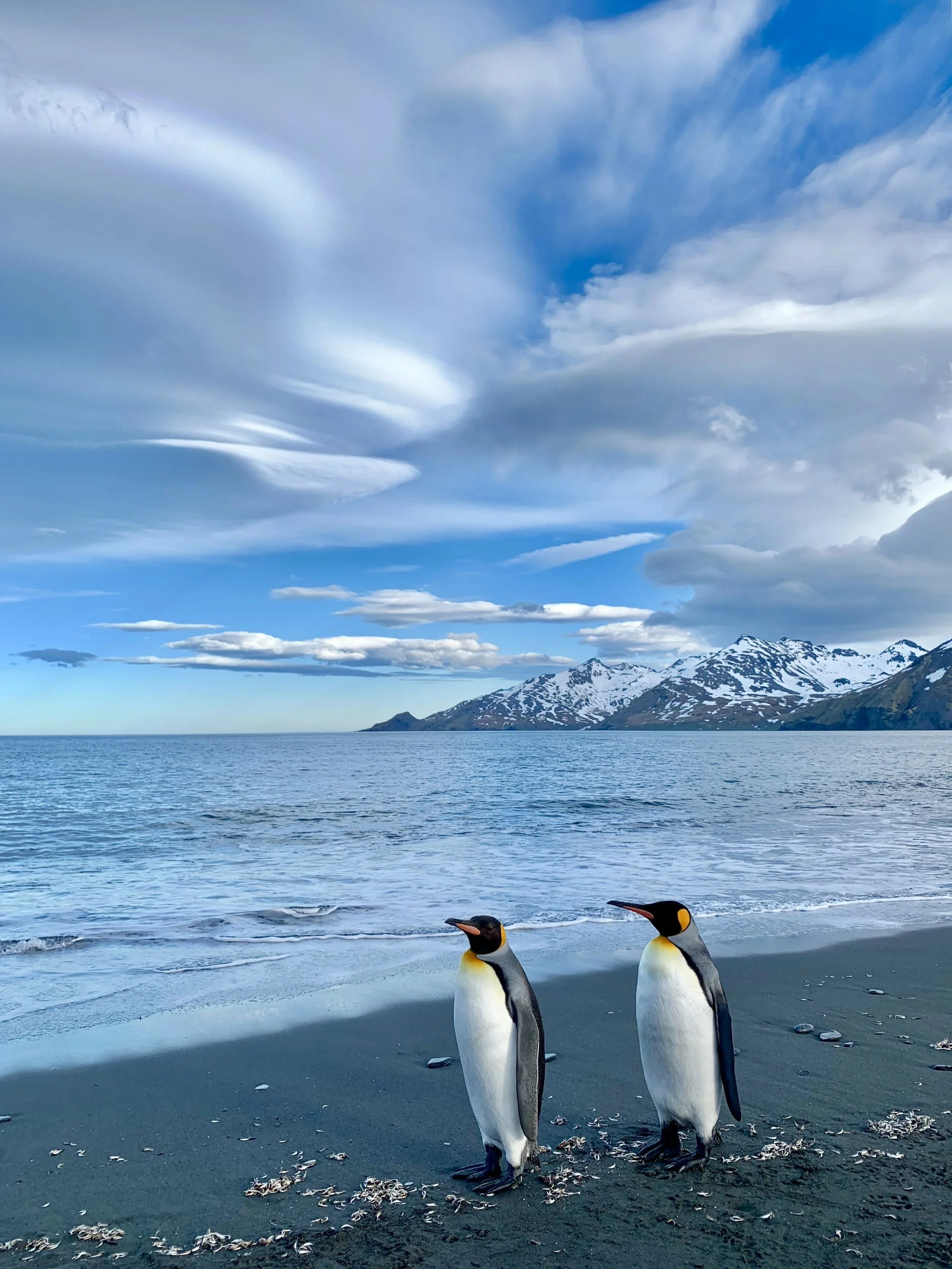
South Georgia penguins lenticular clouds

A couple of king penguins taking a stroll on South Georgia

Read more about South Georgia here. And if you like South Georgia, you’ll also enjoy the Falklands and Greenland.


2. Aldabra, Seychelles 

Aldabra is so pristine that only a handful of researchers live here year-round. It’s one of the few places on Earth where giant tortoises roam freely in astonishing numbers. Coconut crabs scuttle across the forest floor, and the lagoon hosts a thriving underwater world almost untouched by humans. Endless white-sand flats stretch into shallow turquoise water as far as you can see. If there’s a heaven on Earth, Aldabra is close.
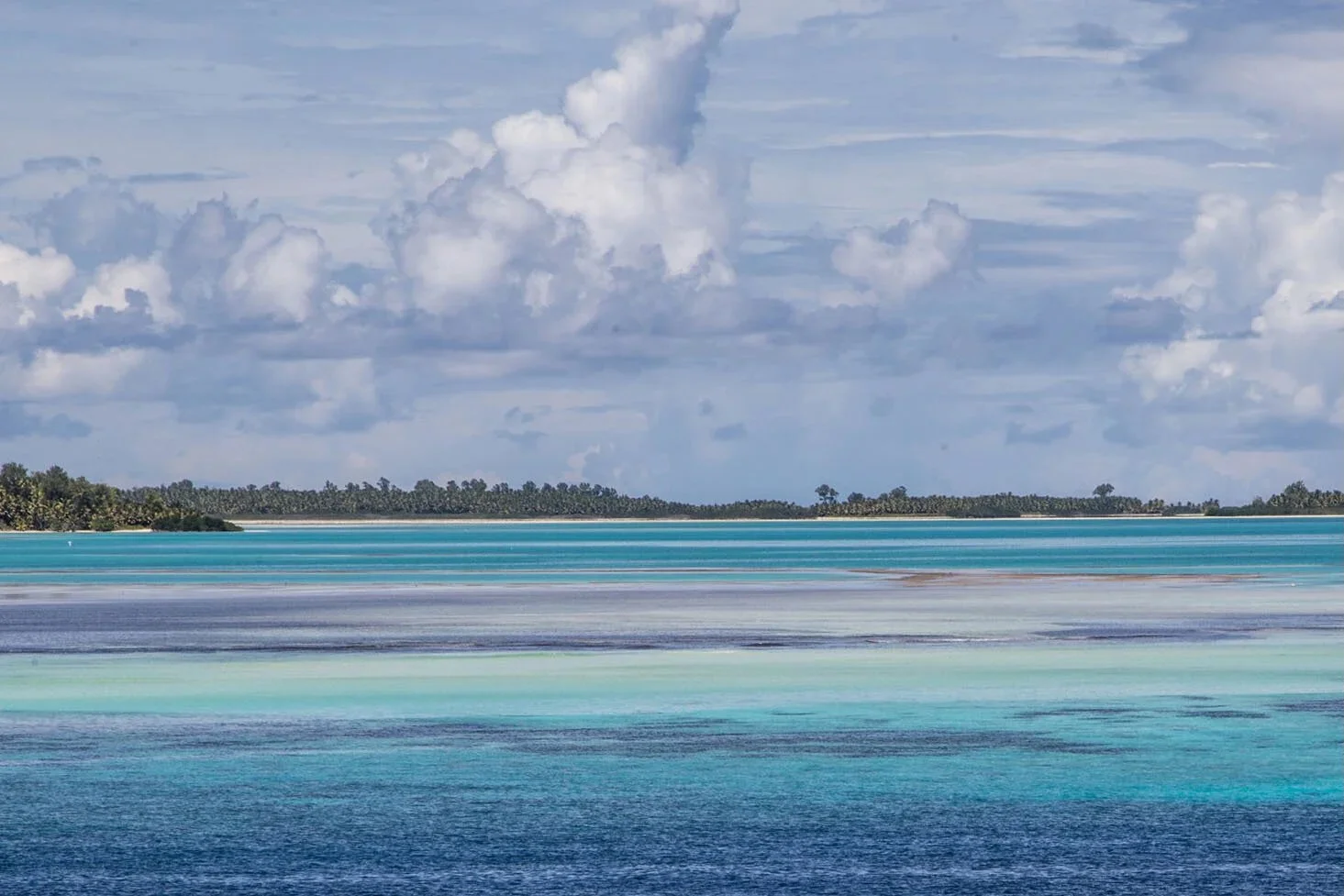
Seychelles Aldabra island

Endless hues of blue off Aldabra, Seychelles

Like South Georgia, Aldabra is uninhabited by humans with the exception of a few researchers from the Seychelles Island Foundation, formed to protect the local habitat. It is one of the only places in the world where you will encounter the giant tortoise, wandering alongside colourful coconut crabs and an underwater world teaming with life, largely unbothered by human interference. Impossibly long stretches of white sand disappear into aqua-hued shallow waters stretching into the horizon. If there is a heaven on Earth, this is it.  

If you like Aldabra, you’ll also enjoy Millenium Atoll (Kiribati) and Socotra (Yemen).


1. Ikaria, Greece

Named after Icarus, who flew too close to the sun, Ikaria is rugged, mystical, and fiercely independent. I first came to study Greek at the island’s cultural center, then returned again and again to explore its mountain trails, thermal springs, secluded beaches, and villages where time seems to run slower. Its famous honey, wine, and olive oil are some of the best in Greece. At just 99 square miles (255 km²), Ikaria feels both intimate and endlessly explorable.

Ikaria, named after Icarus, who flew too close to the sun, is wild, rugged, fiercely self-sufficient, and breathtakingly beautiful. I’ve travelled there more times than I can count, first to study Greek at the Ikarian Cultural Center, and later to explore more of the island’s diverse topography - stunning mountain hikes, hot sulfur pools, and sandy beaches - all backed by rich local products, from olive oil to honey to wine. Ikaria is just 99 square miles (roughly 255km), and yet each time I visit, I discover even more to explore. 
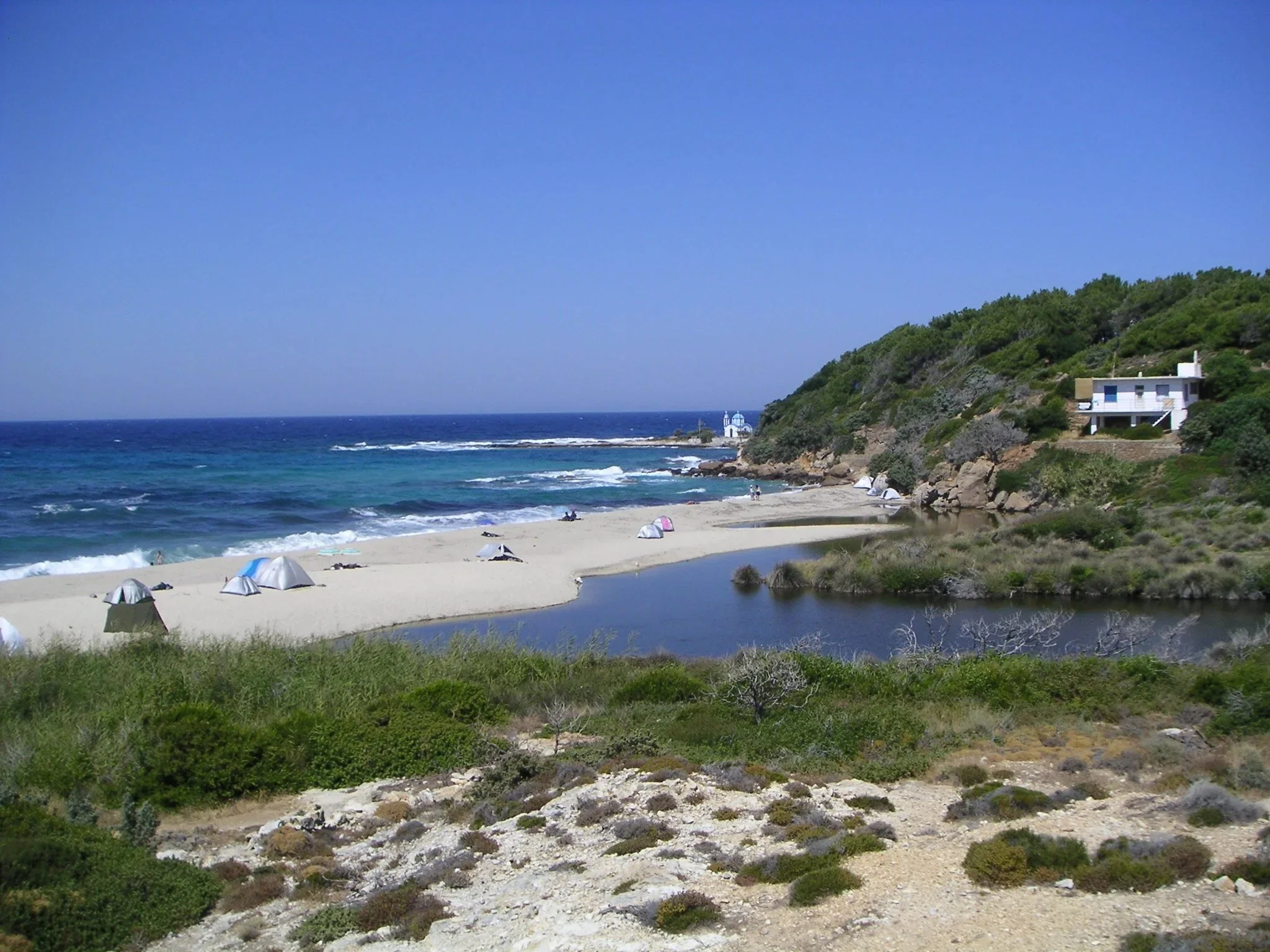
Greece Ikaria island beach

If you like Ikaria, you’ll also enjoy Sardinia and Miyakojima.

For more inspiration, check out my previous post on the Top 7 Beaches in the World.

Sardinia, a gastronomic paradise

Sardinia is a fantastically beautiful island with some of the friendliest people I have ever met. It’s got a rich history - Phoenicians, Punics, Romans, Spanish, and French all ruled here at various points, and this Mediterranean mixture is evident in its food and language. To boot, the food is amazing and the driving is curvy and fun. It is larger than it looks, and in a one-week and relatively fast-paced trip, we managed to cover some of the highlights of the top half of the island. You can view our rough itinerary in Google maps here.

The whitewashed buildings of Alghero

The whitewashed buildings of Alghero

We flew into Alghero, a beautiful seaside town in the northwest of Sardinia serviced by a number of low-cost European airlines, including Wizzair, in early September, hitting the tail end of the busy tourist season. We rented a car from Sicily By Car at the airport (reserving ahead of time), which provided the best rates at the time. We stopped off at La Boqueria fish market in Alghero (be sure to check the hours before you go, and be aware that there’s often a wait) and took a stroll along the boardwalk lined with restaurants along the seaside. From there, we continued north to Stintino, checking in at the small and pretty basic B&B Sa Serra. Once settled, we walked to La Pelosa beach - easily one of the most crowded beaches I have ever been to. We took a brief walk and dipped in the water, which was marvelous, but I would recommend going in the off season. Do, however, take a stroll through the town of Stintino. Numerous shops sell local products (a few personal favourites include bottarga, or cured and dried mullet roe, local cheeses, and peperoncino piccante, or dried spicy pepper).

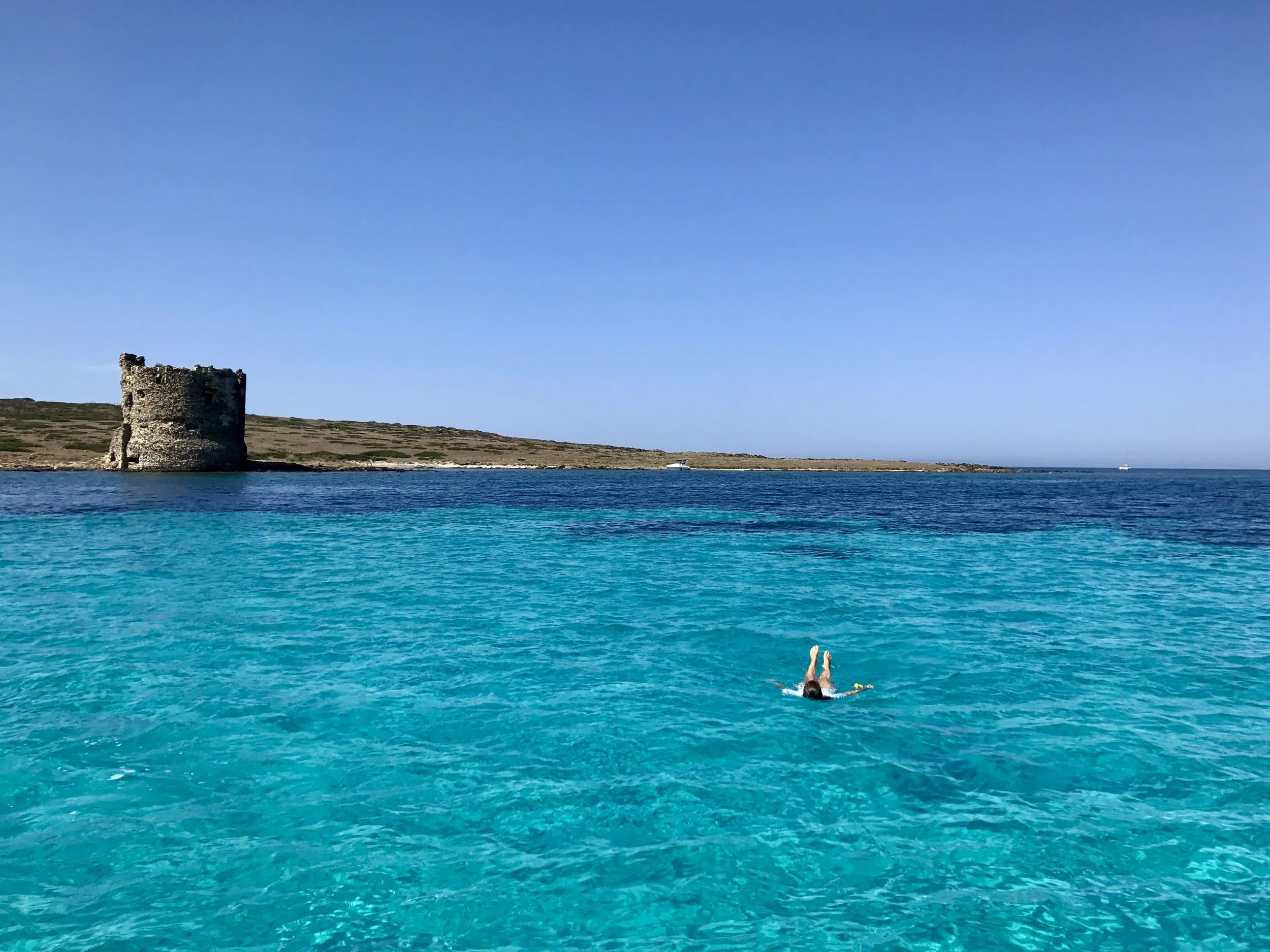
The next day, we headed to meet Claudio and Sara of Futurismo Asinara for a catamaran tour of the Asinara National Park - by far one of the highlights of our trip. Claudio and Sara were incredibly kind and welcoming, and we truly felt at home aboard the catamaran. We did the ½ day trip starting in the morning, visiting the south and eastern parts of the park and marine protected area. The snorkeling was fantastic, the water colours unbelievable, and Claudio’s knowledge of the flora and fauna encyclopedic. Afterwards, we drove on to the stunning seaside town of Castelsardo, where we visited the castle (recommended, especially for the views) and feasted on a late lunch of local oysters and paccheri pasta with squid, zucchini and mullet roe at Il Cormorano, one of the best meals of the trip.  

Enjoying the sea in Asinara National Park

Enjoying the sea in Asinara National Park

View of Castelsardo

View of Castelsardo

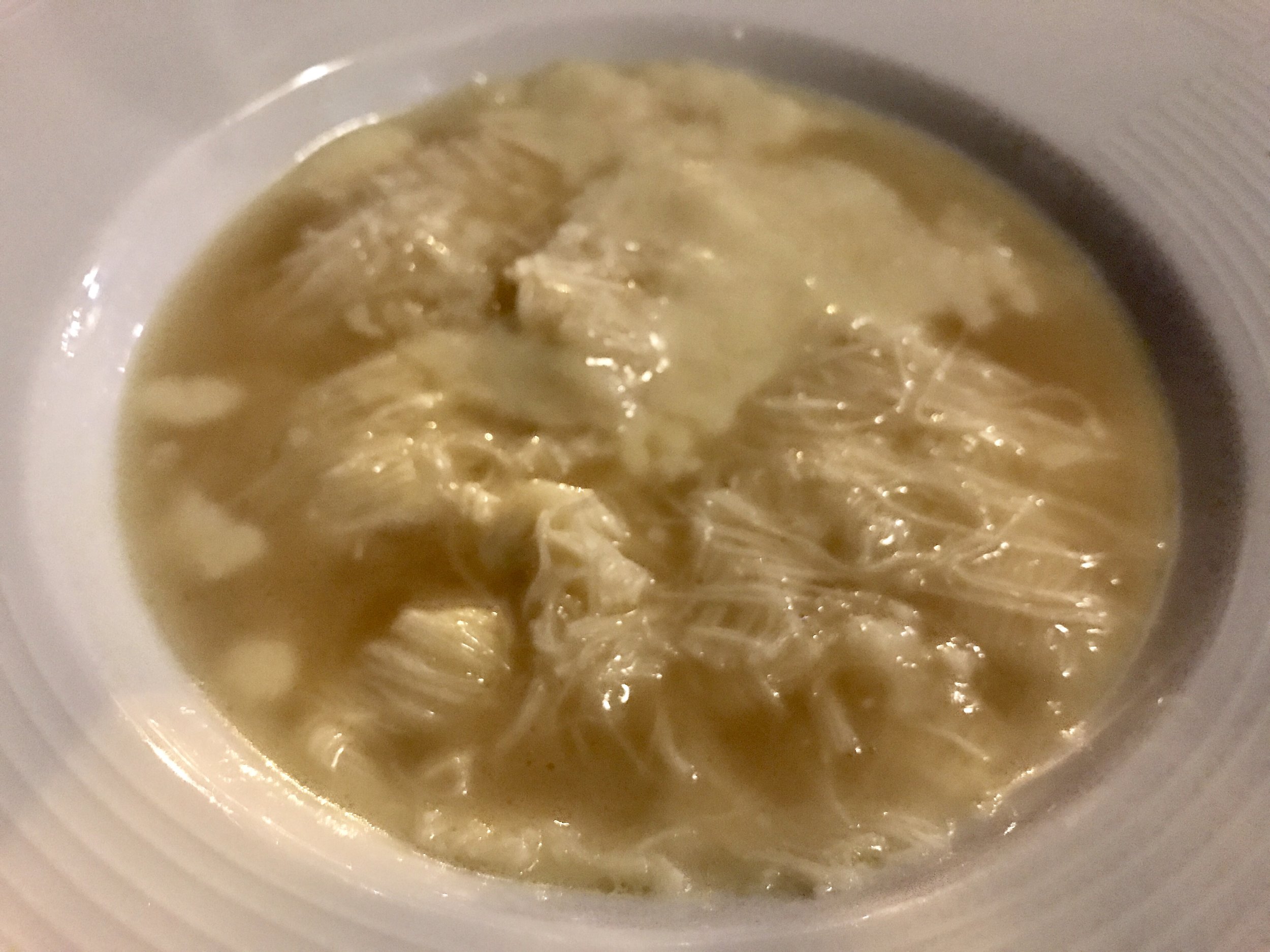
From there, we drove on to Burgos, a charming mountaintop town with stunning views and no tourists, and to Nuoro, a larger, more vibrant city, where we stumbled upon a local festival featuring a typical dish of local snails in tomato sauce. For dinner, we had reserved at Ristorante Ciusa, asking the chef, Franco Fenu, to prepare us a special meal of the soon-to-be-extinct su filindeu pasta. We got two versions: the classic and one made with squid ink and seafood. Both were fantastic. We then set off for a drive to Cala Gonone along some very windy and narrow mountain roads—Sardinia is truly a stunning and unexpected place.

View of Burgos

View of Burgos

The following morning, we walked down to the port in Cala Gonone to meet our gommone, or inflatable boat, for a tour of several coves and beaches: Cala Luna, Cala Mariolu, and Cala Goloritze, among others. Although crowded, the colours here are unparalleled - the white rocks turning the water into various shades of aquamarine and turquoise. This was probably our favourite day, alongside the previous one in Asinara. I also managed to get a couple of dives in with Argonauta.it —they were kind and easy to dive with. We visited a wreck as well as some of the fantastic nearby cavern formations—Cala Gonone is certainly a cave diver’s paradise.

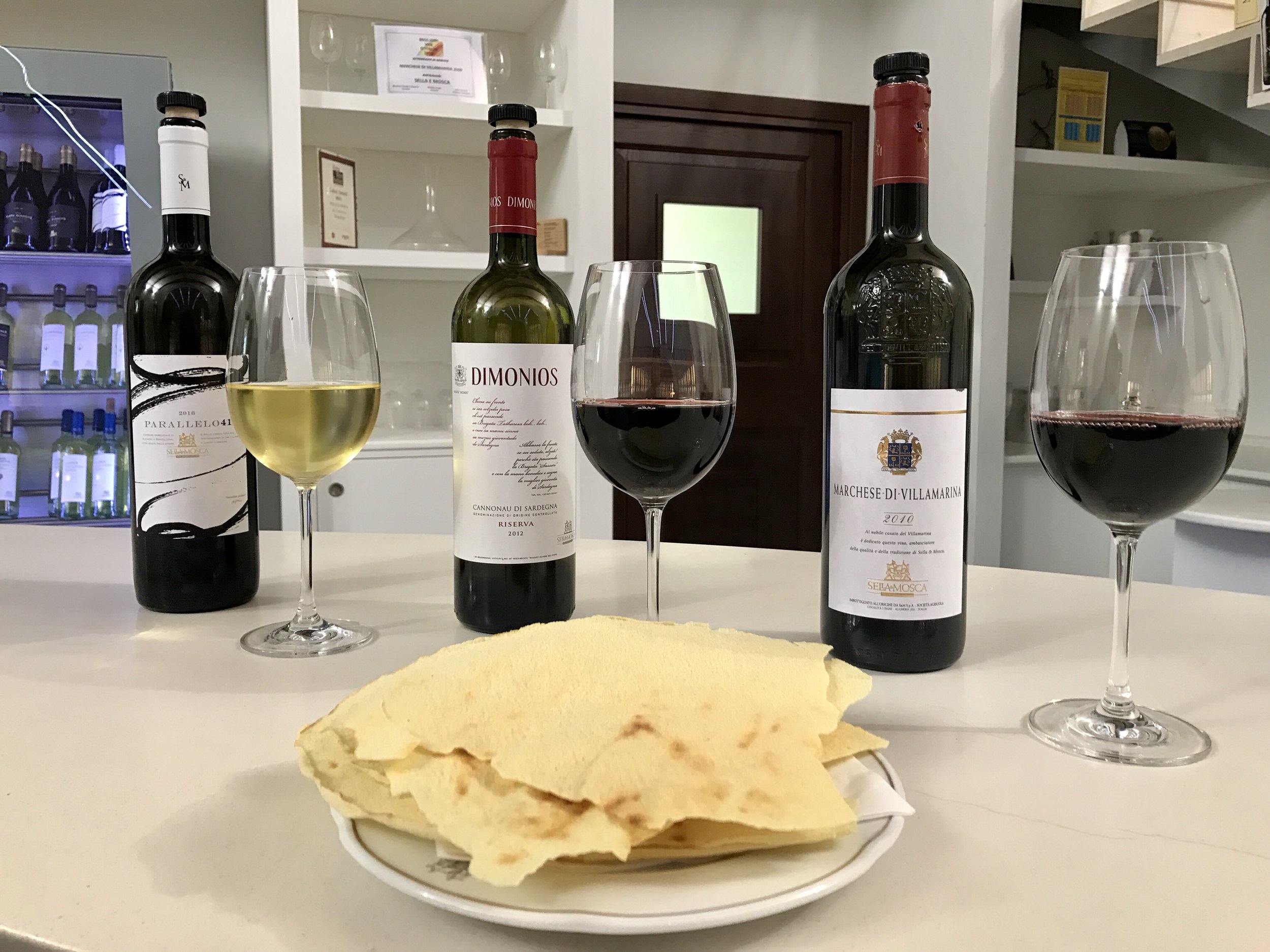
The following day, we made our way up some windy mountain roads to the colourful and rustic Su Gologone for lunch. Due to a road closure, we ended up taking a rather adventurous route over narrow stone bridges and through small agricultural plots - one of many stunning moments on the road in Sardinia. Su Gologone was well worth the detour - it’s worth spending some time exploring the property (or even staying the night!), and lunch was very tasty local fare. En route to Agriturismo Testone, we also stopped by Cantina Sociale Dorgali for some wine tasting. They feature some tasty wines, none above 10 euro a bottle, and the staff were incredibly friendly. And no visit to Sardinia is complete without viewing some nuraghe, megaliths erected during the Nuragic age between 1900 and 700 BC whose use is not fully understood. You will see these throughout the island. We enjoyed stopping to see the ones at the Parco Archeologico Capichera near Arzachena.

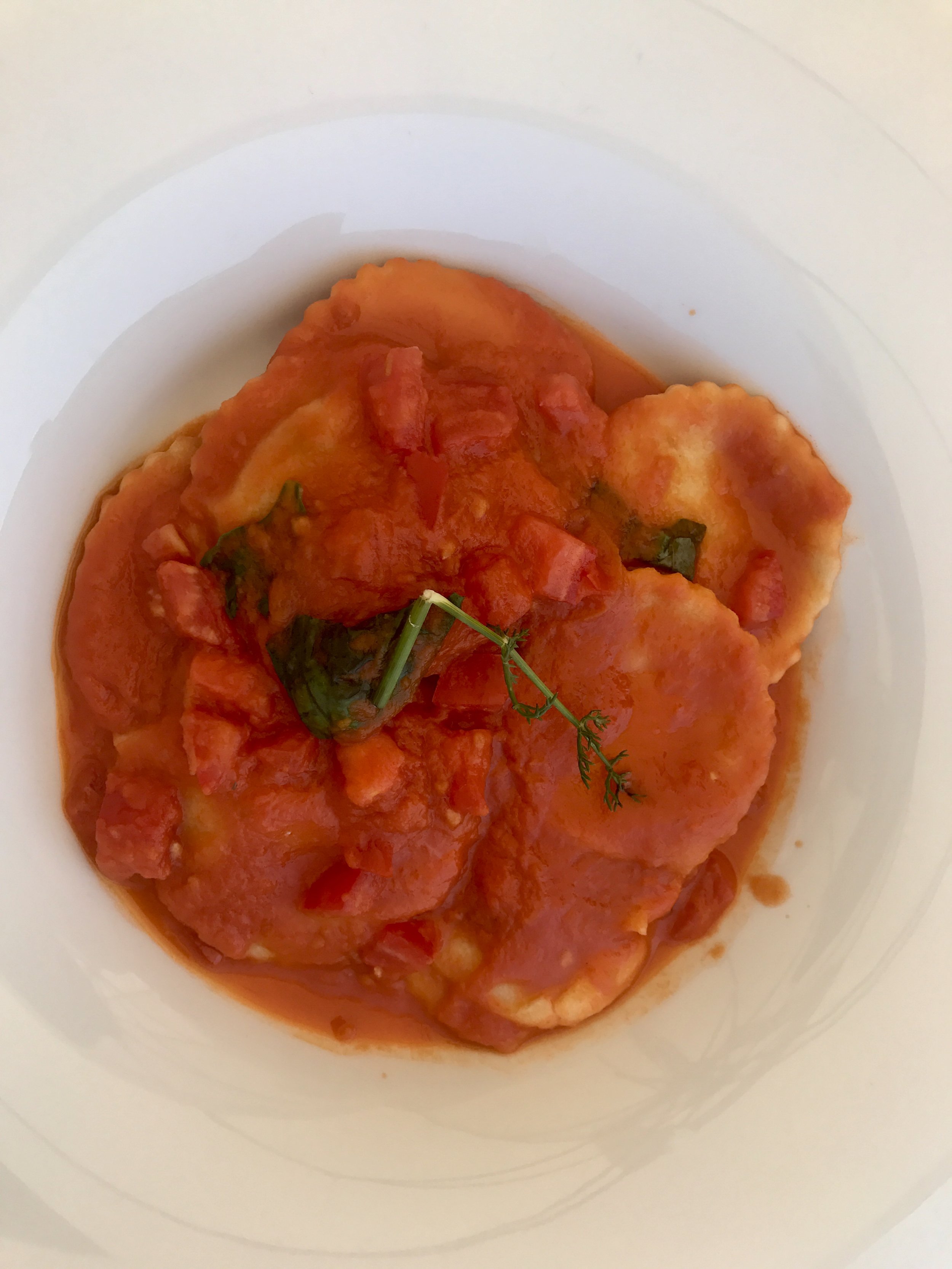
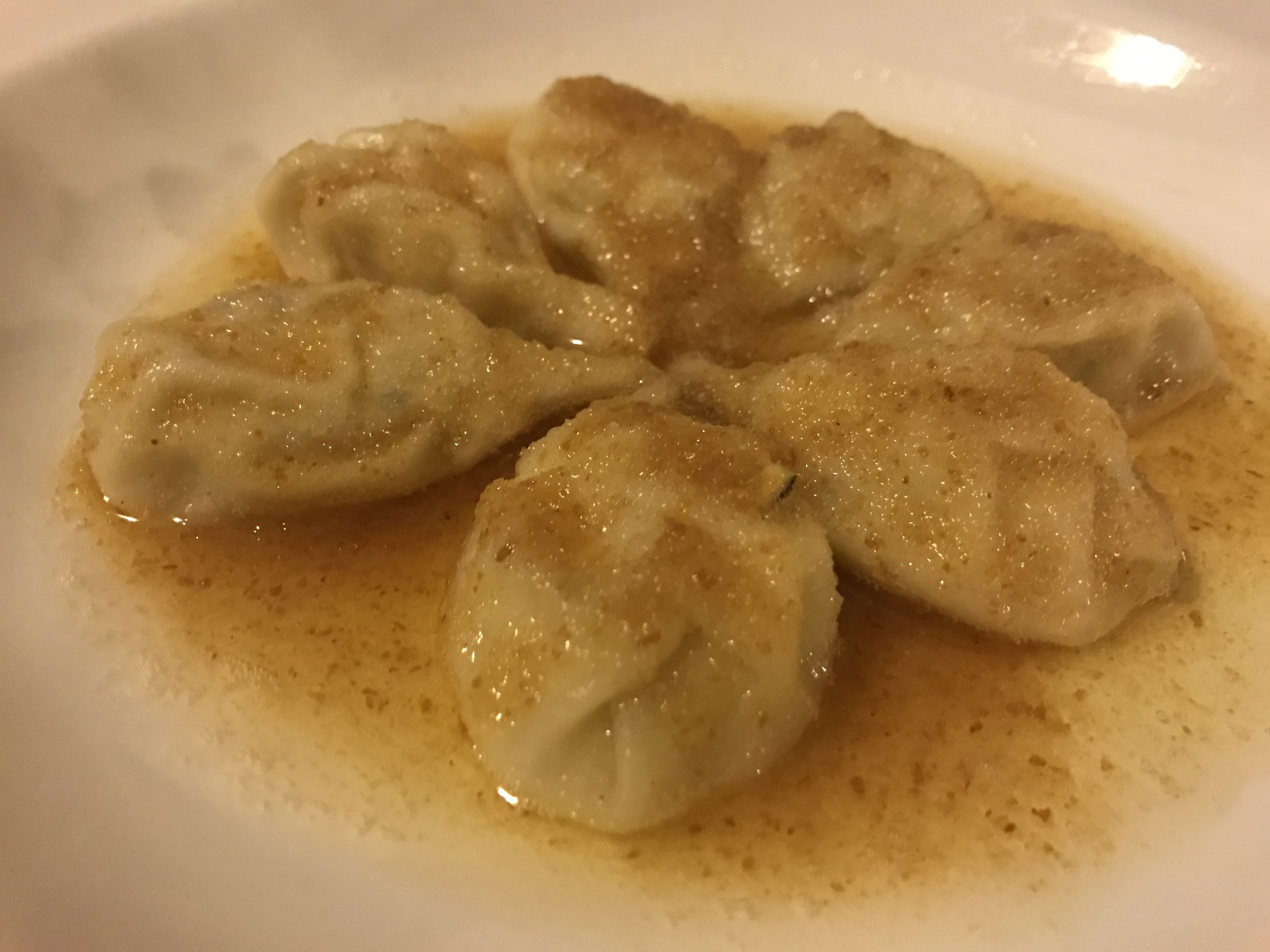
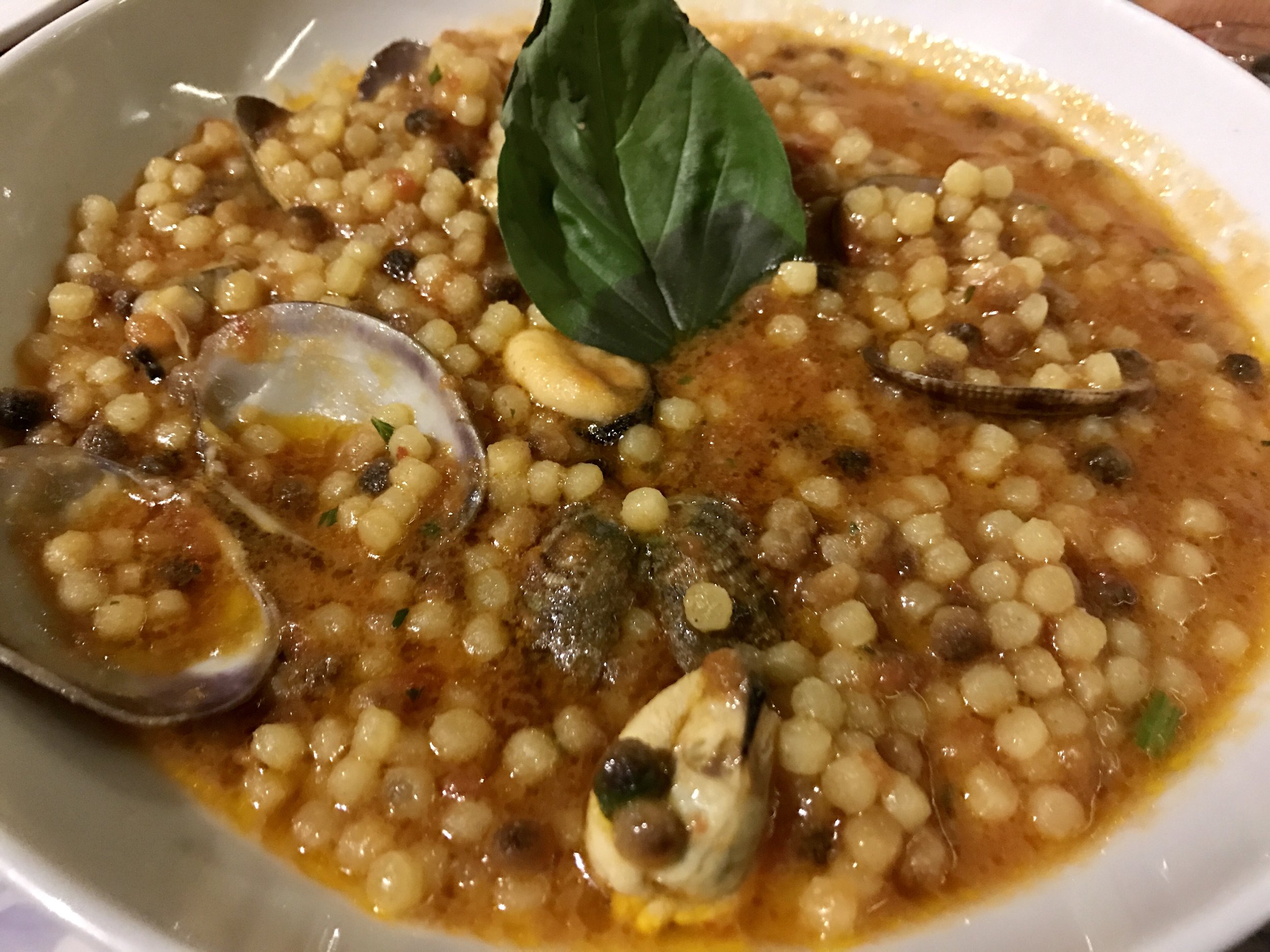
Su Gologone, above. Below, a sampling of Sardinia's gastronomic delights - culurgiones, su filindeu pasta, fregola sarda and many affordable, often not available for export wines.

Su Gologone, above. Below, a sampling of Sardinia's gastronomic delights - culurgiones, su filindeu pasta, fregola sarda and many affordable, often not available for export wines.

At the agriturismo (a recommended experience if you’re travelling through Sardinia, as it gives you a glimpse into the more local, inland life), we were served a large family-style meal with other travellers staying there. The food was delicious and plentiful, and there was wine and a variety of local cheese and charcuterie to try. The resident dogs made us immediately feel at home, and it was a contrast to the modern touches and shiny vistas at Hotel Petra Bianca in Cala di Volpe. The hotel and surrounding vistas are beautiful, if a bit soulless. In the surrounding beaches and in the rich centre of Porto Cervo, expensive handbags and megayachts conveyed a very different feel, and we were happy to go back to simpler pleasures once on Isola della Maddalena, to which we took a car ferry. We especially enjoyed the rich forest greens of neighbouring Caprera island. As always, the beaches were crowded, but it was easy enough to find some tranquility inland. We also did a day trip to see the famous pink beach, Spiaggia Budelli (inaccessible to tourists due to sand erosion, but you can view it from afar or from the water).

The high life at Hotel Petra Bianca

The high life at Hotel Petra Bianca

Spiaggia Budelli

Spiaggia Budelli

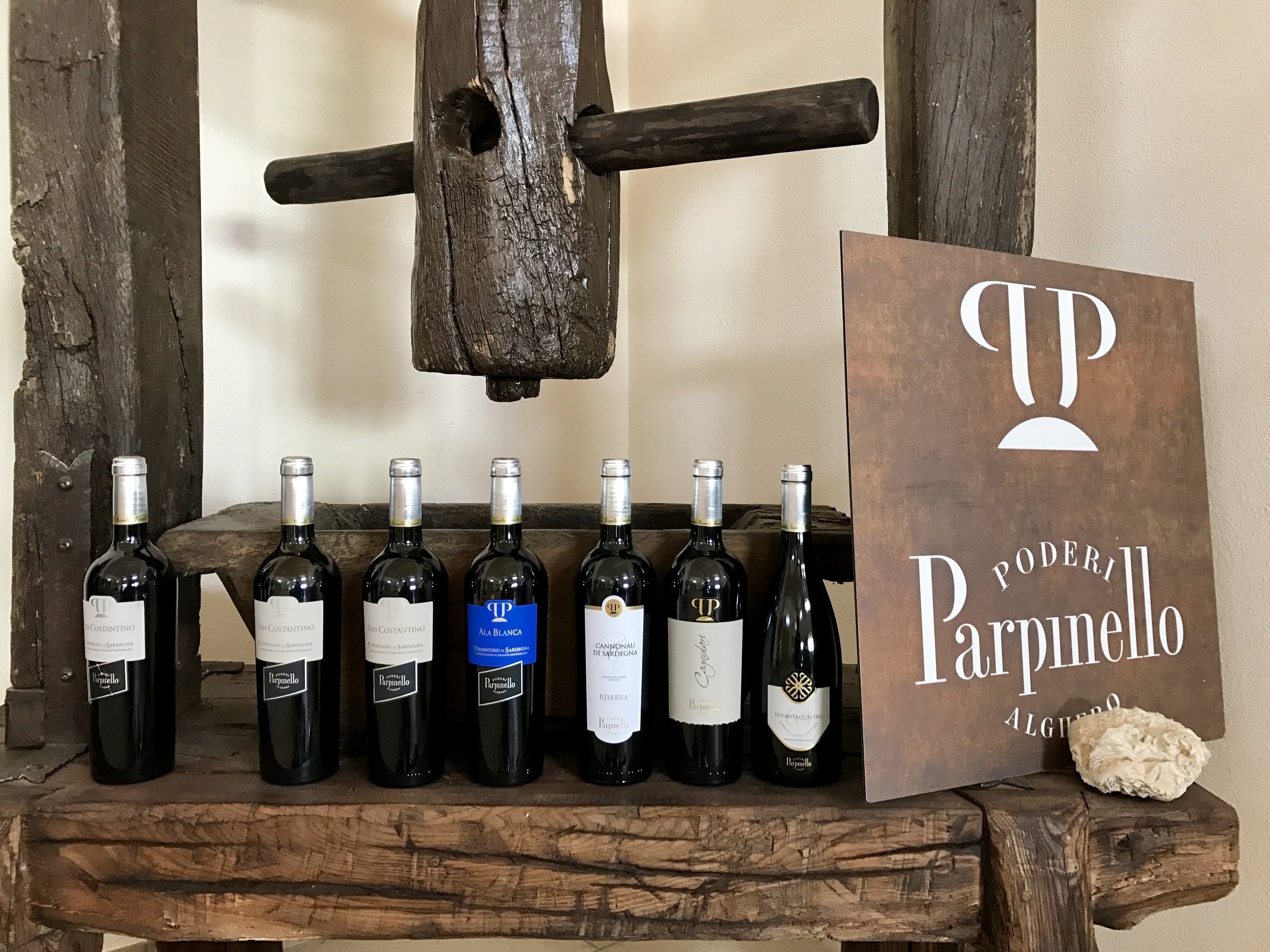
En route back to Alghero, we had a fantastic lunch at La Gritta in Palau. The sea views are beautiful, and the seafood is such that lingering and ordering more is a clear choice. From Palau, the road winds inland and much of the traffic and crowds disappear until you reach the vicinity of Alghero. At Poderi Parpinello winery, Giuliana greeted us as we drove up. She was very responsive over email, and it was easy to arrange our visit. What we were not prepared for was how incredibly kind and welcoming she was: such people are truly rare. We had perhaps one of our nicest afternoons in Sardinia walking through the Parpinello vineyard, with Giuliana showing us cork trees and walking us through the wine-making process as we watched some of the early harvest getting crushed. She was so gracious that by the end of our tasting, we were trying to see if we could help distribute their wines in the U.S. Many Sardinian wines are not exported to the U.S., and the ones that are often receive a markup. One tip is to bring a bag you can check on the return trip to take some wines with you - well worth the effort. It’s yet another reason to return to this incredible island.

A cork tree at Poderi Parpinello winery

A cork tree at Poderi Parpinello winery

Along the seaside boardwalk in Alghero at dusk

Along the seaside boardwalk in Alghero at dusk

What to bring

  • Comfortable hiking shoes or sneakers

  • Water shoes

  • Snorkel, mask and skinsuit

  • Scuba diving cards

  • GoPro or a camera for capturing in/underwater footage

Where to stay

Hotel Domomea, Alghero

Su Gologone, near Cala Gonone

Agriturismo Testone, near Nuoro

Hotel Petra Bianca, Cala di Volpe

Where to eat

Il Cormorano, Castelsardo

Ristorante Ciusa, Nuoro

Su Gologone, near Cala Gonone

La Gritta, Palau