Top

seals

Top 7 Most Beautiful Islands in the World

Islands have an irresistible pull, and I visit and write about them often (and even live on one). Our planet has hundreds of thousands of islands; below are a few favourites that I’ve encountered in my travels. 

7. Sardinia, Italy 

Sardinia has it all: dramatic cliffs plunging into turquoise coves, ancient history etched into the land, and a fiercely proud culture reflected in dishes found nowhere else in Italy. However long you stay on your first trip, it won’t be enough: you’ll already be planning your return before you leave. The island’s past, shaped by Phoenicians, Romans, and Spaniards, lend it a depth and diversity that makes every town feel unique. 
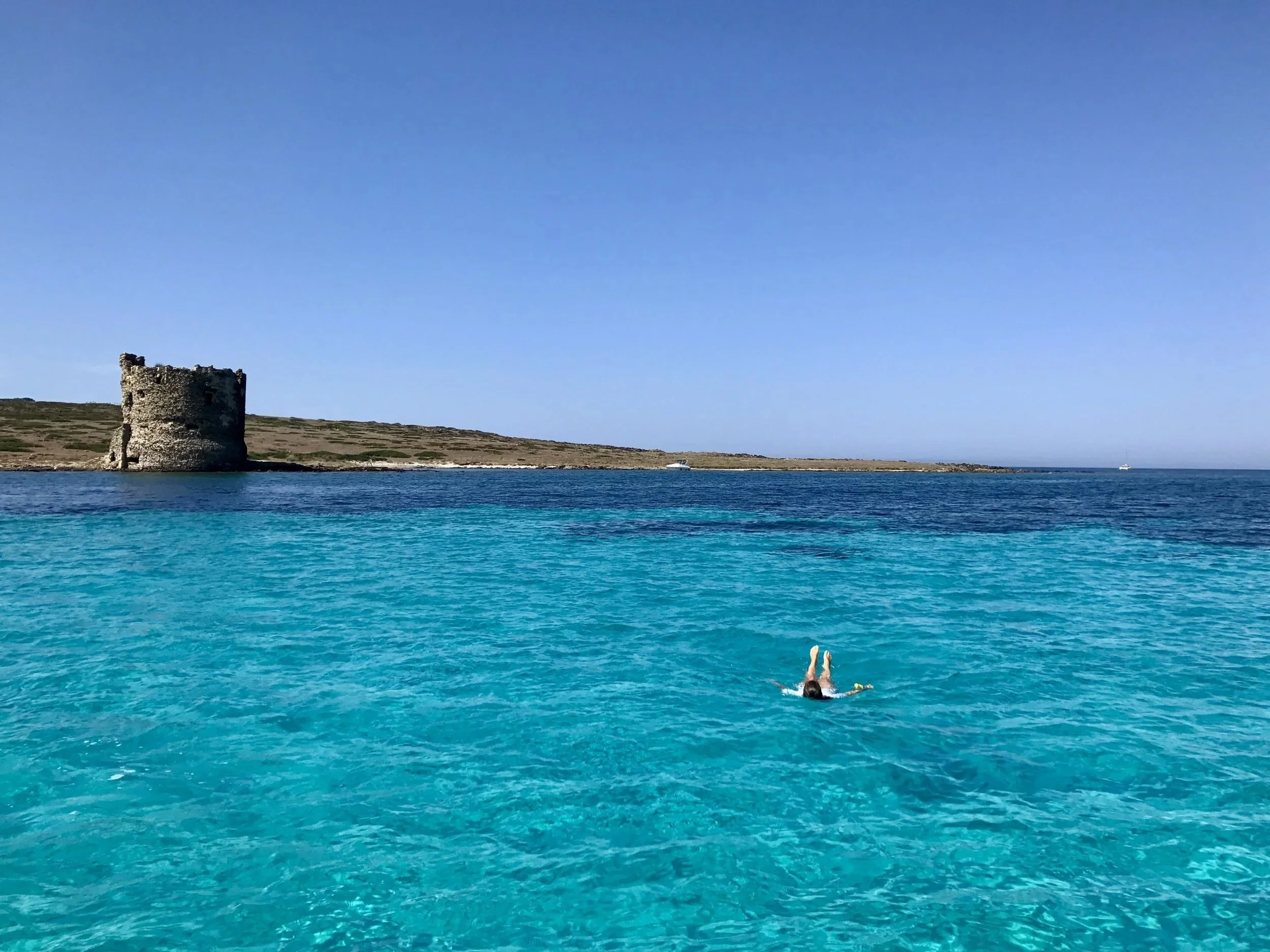
Floating off the coast of Sardinia, Italy

Read more about Sardinia here. And if you like Sardinia, you’ll also enjoy Cape Verde and St Lucia.

6. Isabela, Galapagos, Ecuador

Choosing just one Galapagos island feels unfair, but Isabela–the largest of the archipelago–captures the raw magic of the isles. Isabela is the only place on Earth where you can dive alongside marine iguanas, penguins, and sea lions at the same time. Thanks to its long-standing protected status, the wildlife here is unafraid and curious. It remains one of the most untouched and otherworldly places I’ve ever visited.
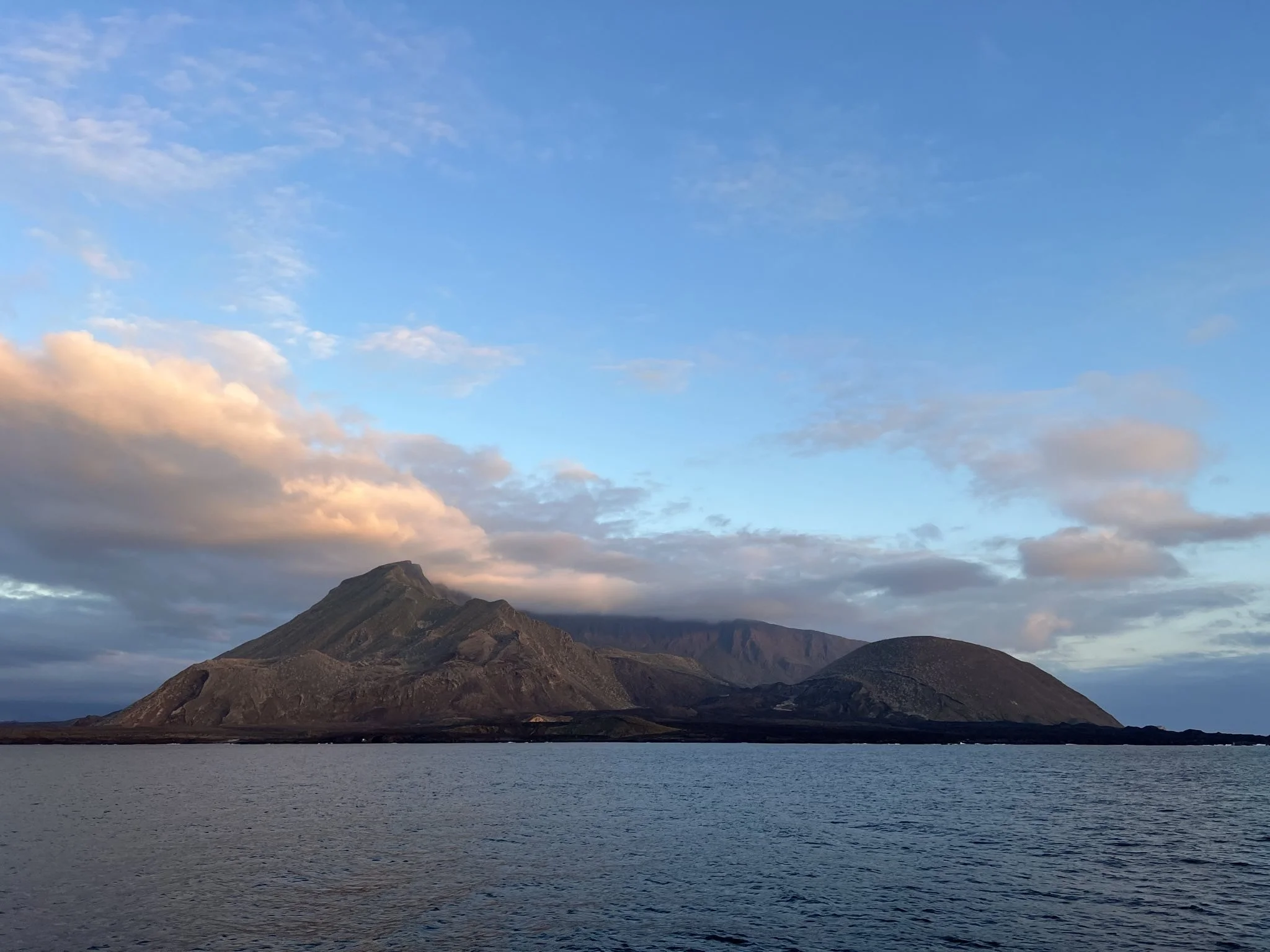
Isabela island Galapagos

Off the coast of Isabela, Galapagos, Ecuador

If you like Isabela, you’ll also enjoy South Georgia and Easter Island.

5. Faroe Islands

The Faroe Islands took me by surprise, charming me with their wild and unfiltered natural beauty, largely uninterrupted by humans. Puffins, gannets, and fulmars crowd cliff edges, waterfalls plunge straight into the ocean, and emerald-hued mountains shift constantly with whatever the ocean winds bring. Visit between May and October, when daylight stretches past midnight. Bring your hiking boots, and don’t miss booking a heimablidni (a home-cooked meal at a local’s house) for an authentic window into the Faroese culture and sustainable way of life. 
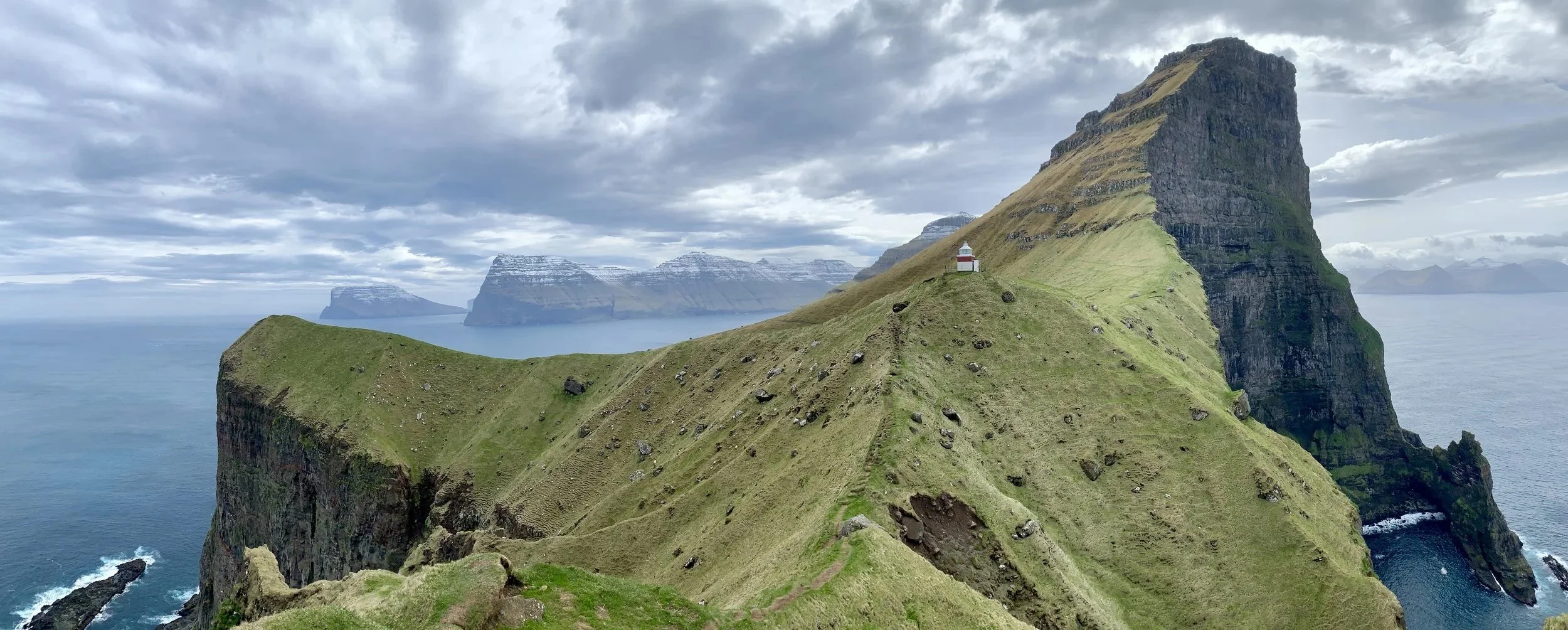
Faroe Islands Kalsoy hiking

Hiking in the Faroe Islands

Read more about the Faroe Islands here. And if you like the Faroes, you’ll also enjoy Greenland and the Shetlands.

4. North and South Islands, New Zealand

I couldn’t choose just one of New Zealand’s islands–the country is spectacular from end to end. The North Island offers geothermal landscapes, glowworm caves lit like starfields, and rich Māori culture. The South Island brings soaring peaks, glaciers, and some of the best hikes in the world. Fresh salmon, lamb, and wine top off the experience. On many trails, you are unlikely to encounter more than a handful of other people, an increasing rarity in today’s world. Needless to say, I dream of returning. 

South Island, New Zealand

Read more about New Zealand here and here. And if you like New Zealand, you’ll also enjoy the Faroe Islands and Niue

3. South Georgia

South Georgia is one of the wildest places on the planet. Apart from a few seasonal researchers, the island is uninhabited by humans and dominated by wildlife. South Georgia is home to the world’s largest king penguin colony (as well as chinstrap, macaroni, and gentoo penguins) along with massive populations of elephant seals, fur seals, and albatross. The island’s history is equally dramatic: this is where Ernest Shackleton landed after his crew’s legendary survival journey across the Weddell Sea off Antarctica. Stepping onto the island feels like stepping into a nature documentary–sure to hear David Attenborough’s voice at any moment.
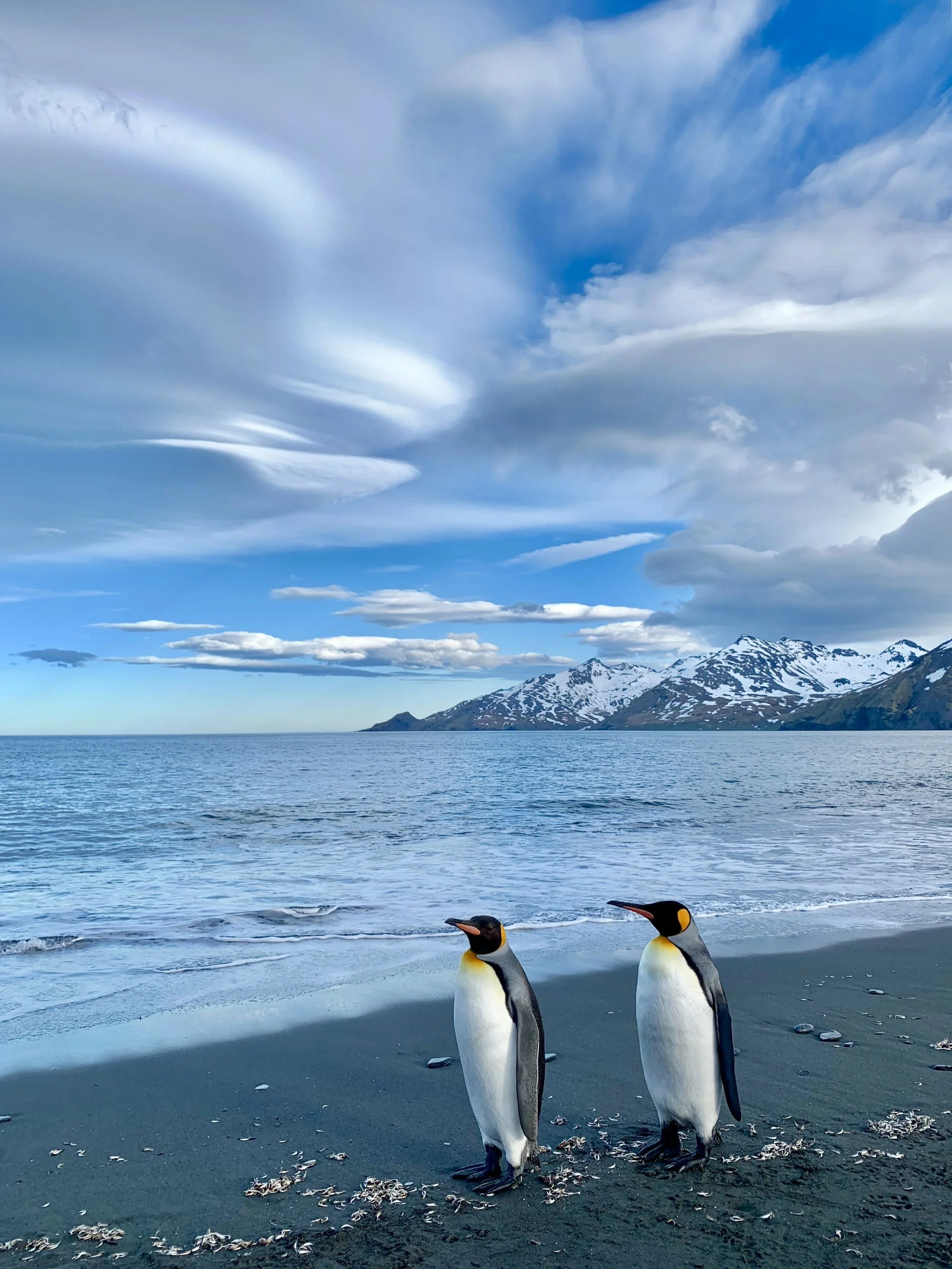
South Georgia penguins lenticular clouds

A couple of king penguins taking a stroll on South Georgia

Read more about South Georgia here. And if you like South Georgia, you’ll also enjoy the Falklands and Greenland.


2. Aldabra, Seychelles 

Aldabra is so pristine that only a handful of researchers live here year-round. It’s one of the few places on Earth where giant tortoises roam freely in astonishing numbers. Coconut crabs scuttle across the forest floor, and the lagoon hosts a thriving underwater world almost untouched by humans. Endless white-sand flats stretch into shallow turquoise water as far as you can see. If there’s a heaven on Earth, Aldabra is close.
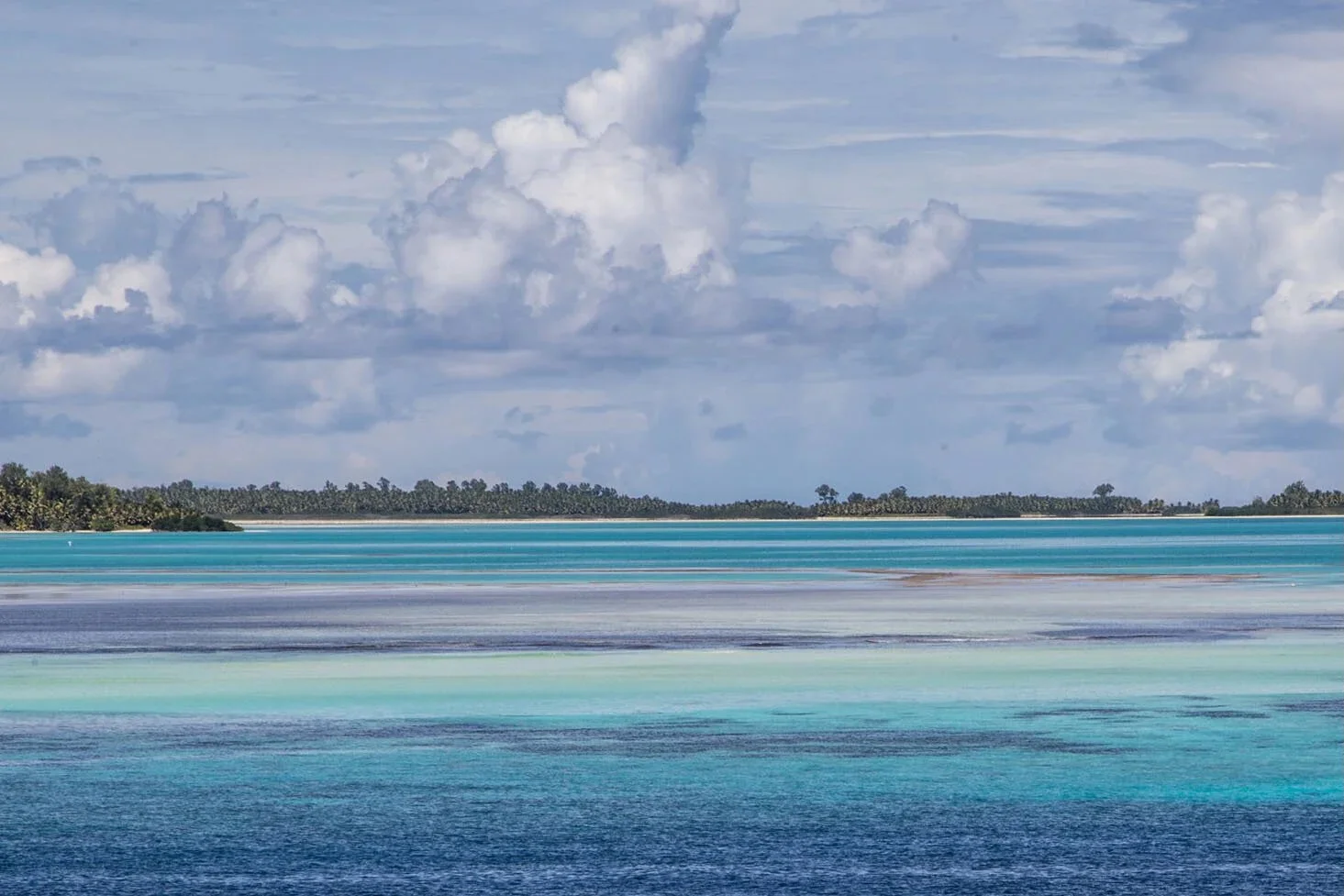
Seychelles Aldabra island

Endless hues of blue off Aldabra, Seychelles

Like South Georgia, Aldabra is uninhabited by humans with the exception of a few researchers from the Seychelles Island Foundation, formed to protect the local habitat. It is one of the only places in the world where you will encounter the giant tortoise, wandering alongside colourful coconut crabs and an underwater world teaming with life, largely unbothered by human interference. Impossibly long stretches of white sand disappear into aqua-hued shallow waters stretching into the horizon. If there is a heaven on Earth, this is it.  

If you like Aldabra, you’ll also enjoy Millenium Atoll (Kiribati) and Socotra (Yemen).


1. Ikaria, Greece

Named after Icarus, who flew too close to the sun, Ikaria is rugged, mystical, and fiercely independent. I first came to study Greek at the island’s cultural center, then returned again and again to explore its mountain trails, thermal springs, secluded beaches, and villages where time seems to run slower. Its famous honey, wine, and olive oil are some of the best in Greece. At just 99 square miles (255 km²), Ikaria feels both intimate and endlessly explorable.

Ikaria, named after Icarus, who flew too close to the sun, is wild, rugged, fiercely self-sufficient, and breathtakingly beautiful. I’ve travelled there more times than I can count, first to study Greek at the Ikarian Cultural Center, and later to explore more of the island’s diverse topography - stunning mountain hikes, hot sulfur pools, and sandy beaches - all backed by rich local products, from olive oil to honey to wine. Ikaria is just 99 square miles (roughly 255km), and yet each time I visit, I discover even more to explore. 
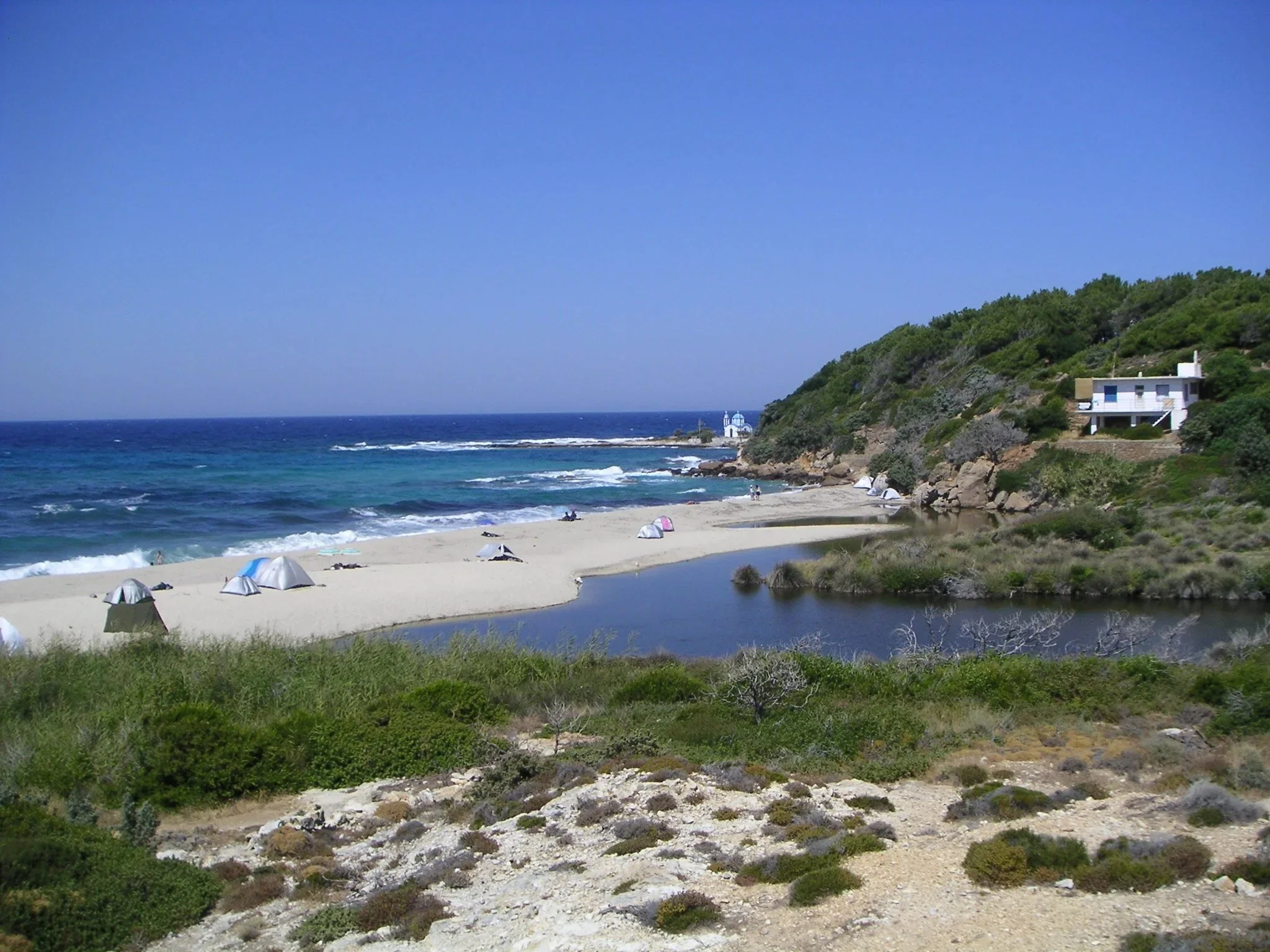
Greece Ikaria island beach

If you like Ikaria, you’ll also enjoy Sardinia and Miyakojima.

For more inspiration, check out my previous post on the Top 7 Beaches in the World.

The Faroe Islands: wild, isolated and unexpected

The Faroe Islands are remote and hard to reach—and that’s a good thing. It means you should go now, before the crowds inevitably descend and the islands become the next Iceland, which has become rather too popular for its own good. Where are the Faroes, you ask? And why go there? Both good questions…

The Faroes are an isolated set of islands located roughly halfway between Scotland and Iceland. The inhabitants, numbering just 50,000, are descendants of the Vikings, and their language, Faroese, is most closely related to Old Norse. Volcanic, this set of 18 islands is well connected through a network of tunnels and helicopter routes (in fact, it’s currently home to perhaps the cheapest helicopter rides you can take, at roughly $20).

View from the lighthouse on Mykines

View from the lighthouse on Mykines

Upon landing at Vágar airport, you may want to head directly to Mykines, an island that is accessible only by ferry or helicopter. Known for its large population of local birds, including puffins, gannets, and fulmars, among others, it has no real roads or cars, giving it that sleepy end-of-the-world feeling. One of the locals, Heini, whose family has been on the island for generations, runs a fantastic day hike to the picturesque lighthouse at the eastern end of the island (he also rents out his cottage). At one point during our walk, Heini asks our group of 10 or so from around the world to be silent. As our ears open up to the sounds around us, we begin hearing individual bird calls in addition to the crashing waves in which the birds fish. We hear no man-made noise: no airplanes, no distant highways, no sirens. For a New Yorker, this is the ultimate escape.

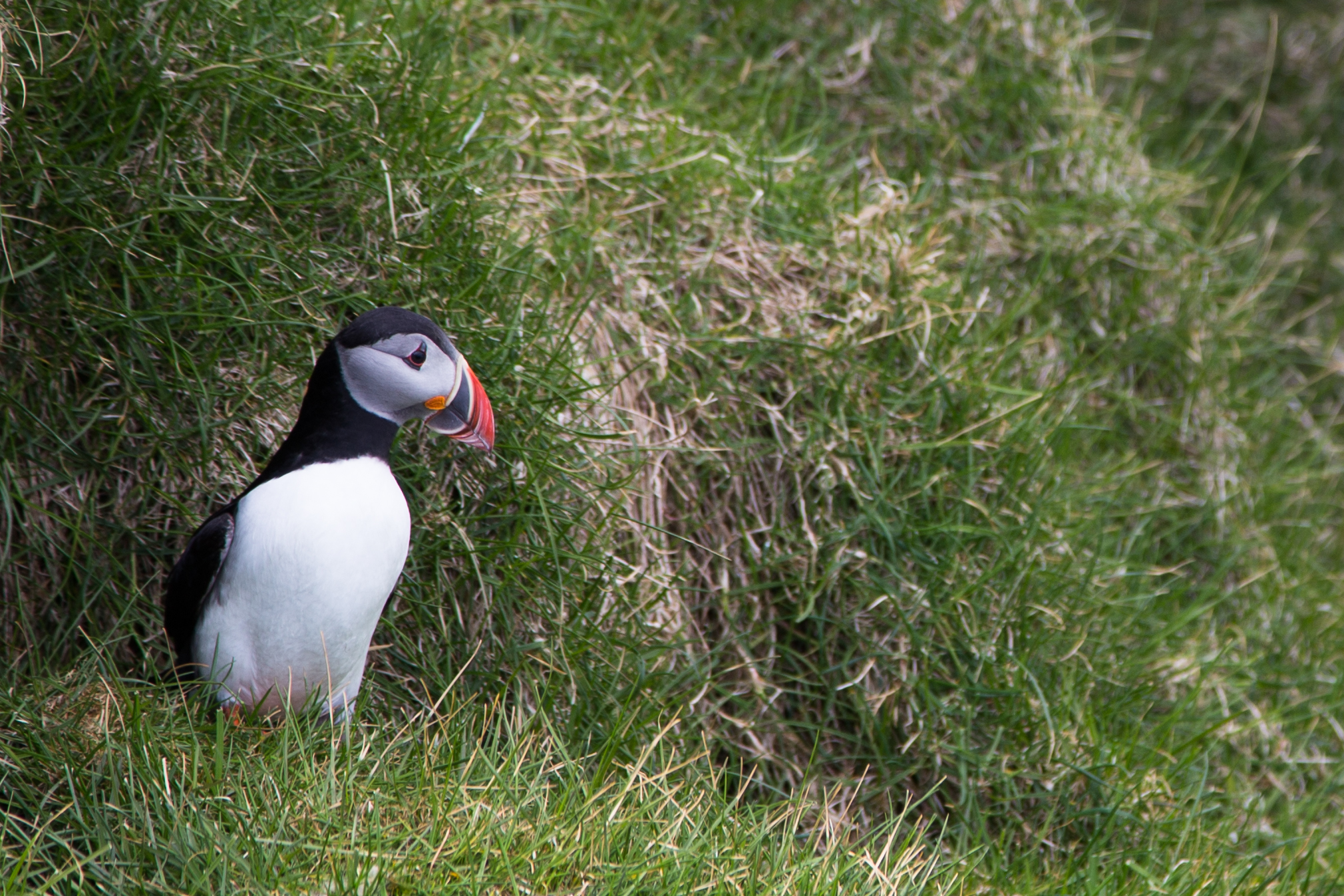
Puffin on Mykines

Puffin on Mykines

Gannets off Mykines

Gannets off Mykines

The helicopter flight back to Vágar airport is about as glorious as 10 minutes can be: dramatically jagged cliffs and small beaches set against vibrant blue skies. With the flights subsidized by the Faroese government at roughly $20 a ride so that locals can get around with greater ease, it is perhaps only a matter of time before tourists are restricted or asked to pay unsubsidized fares.

To explore many of the remaining islands, a car can come in handy. Avis and Hertz operate on the islands, as do a few of the local companies, like 62 North. Given the last-minute nature of my trip, the best deal I found worked out to roughly $100/day—not cheap, but after all, you are on some of the most isolated islands on the planet.

Gasadalur and Múlafossur waterfall

Gasadalur and Múlafossur waterfall

A first stop might take you to the village of Gasadalur, via one of the islands’ one-way, rock hewn tunnels (be sure you heed traffic signs), to experience the picturesque Múlafossur waterfall dropping into the ocean below. You may want to follow that with a brisk 45 minute level hike to Trælanípan via the western side of Sørvágsvatn, the largest lake in the Faroes. From here you’ll experience a curious optical illusion: the lake appears to be a couple hundred metres above sea level, when in reality, it is only about 30. This was the only paid hike I experienced in the Faroes, at a cost of 100 DKK, which was easily payable by credit card with the friendly local at the entrance from the car park.

Trælanípan

Trælanípan

Another hike that is one of the highlights of the Faroes is up to the Kallur lighthouse on Kalsoy. Kalsoy, comprised of a long, thin stretch of mountains diving into the sea, is reachable by ferry from Klaksvík, the Faroes’ second-largest town (be sure to arrive at least 30 minutes in advance to be assured a spot on the ferry). The hike begins from Trøllanes and takes roughly 75-90 minutes. Worthy of a stop en route is Mikladalur, where a statue of the seal woman Kópakonan from local legend gazes over the town.

Klaksvík

Klaksvík

Kallur lighthouse, Kalsoy

Kallur lighthouse, Kalsoy

Near Kallur lighthouse, Kalsoy

Near Kallur lighthouse, Kalsoy

Kópakonan (Seal woman)

Kópakonan (Seal woman)

And who could resist visiting the highest peak of the Faroes, Slættaratindur? You’ll see a small parking lot just off the main road between Eiði and Gjogv. From here, the peak is about a 60-75 minute pure uphill hike. As you near the top, the hike becomes more of a four-legged scramble, and you may encounter snow. But the view is worth it: on a clear day, you can see most of the 18 islands that comprise the Faroes. Also not to be missed, a short drive away, is an easy, 10 minute walk from the main road to Hvíthamar, with a view of Funningur and the surrounding fjord.

View from the top of the world, Slættaratindur

View from the top of the world, Slættaratindur

Gjogv

Gjogv

Of course, driving through each village in the Faroes is like scrolling through the list of available dogs for adoption at your local shelter: each one induces successive exclamations of “Ooh, how cute!” One of the best known is Saksun, with picturesque grass-covered structures and the requisite steepled church encompassed by waterfalls gushing from the surrounding hills. The drive there alone is stunning, even without a place like Saksun at which to linger at the end.

Saksun

Saksun

Near Tjørnuvík

Near Tjørnuvík

But a large part of the appeal of the Faroes is to lose—or perhaps find—yourself in its isolation. For me, that place was Tjørnuvík and its surrounds. At the end of the road, featuring Viking graves with a large expanse of beach overlooking two rocky pillars (named Risin and Kellingin, or the Giant and the Witch, after a legend in which the two tried to steal the Faroes to bring them to Iceland), Tjørnuvík is as sleepy as it gets. At night, in the hot tub of my Airbnb, I listened to the waterfalls running down the surrounding mountains under the light of the full moon. In the morning, I ate waffles with rhubarb jam while watching the resident geese and sheep saunter between the two dozen or so houses that comprise the town. I felt at peace.

Heimablídni at Maud Hansen’s house on Nólsoy

Heimablídni at Maud Hansen’s house on Nólsoy

On one of my last evenings, I had the privilege of experiencing heimablídni, or home hospitality, at the home of Maud Hansen on the island of Nólsoy (easily reachable by ferry from Tórshavn, the capital). Maud is a gifted chef, and she prepared a typical Faroese meal focused on seafood, including local staples like fermented lamb. It was one of the highlights of my trip, and while I was lucky enough to go on a day’s notice, it is generally advisable to book in advance.

Tórshavn

Tórshavn

Kirkjubøur

Kirkjubøur

I also paid a visit to the capital, Tórshavn (or “houn”, as a the locals call it), which comprises 20,000 of the island’s population of 50,000, and feels like a cross between a colourful fishing village and a local commercial centre. You can eat very well at Barbara Fishouse, or Ræst, known as the only restaurant focused on fermented food outside of Japan, followed by a cool beer at Mikkeller, which has an outpost there. A short drive away is the historic village of Kirkjubøur, featuring the oldest church of the Faroes, built before 1200. I felt so safe that I gave a ride back to a few other tourists who had hiked there from Tórshavn before returning up north to my Tjørnuvík Airbnb. I had started to settle into the calmer local rhythms, and I was enjoying it. If you are looking for a place to reflect, and to spend time in true nature, the Faroes should be your next destination.

Tjørnuvík

Tjørnuvík

Midnight sunset, Tjørnuvík

Midnight sunset, Tjørnuvík

Packing list

  • Hiking gear

  • Many layers (the weather can change very quickly, and it can be quite cold, even in summer)

  • Sunscreen

Where to stay

Airbnb on Mykines

Airbnb in Tjørnuvík

Airbnb in Gøta

Where to eat & drink

Heimablidni (home cooked meals in locals’ homes)

Barbara Fish House

Raest

Etika Sushi

Koks

Mikkeller

Føroya Bjór (the local brewery)

Falklands, South Georgia, and Antarctica: the Seventh Continent

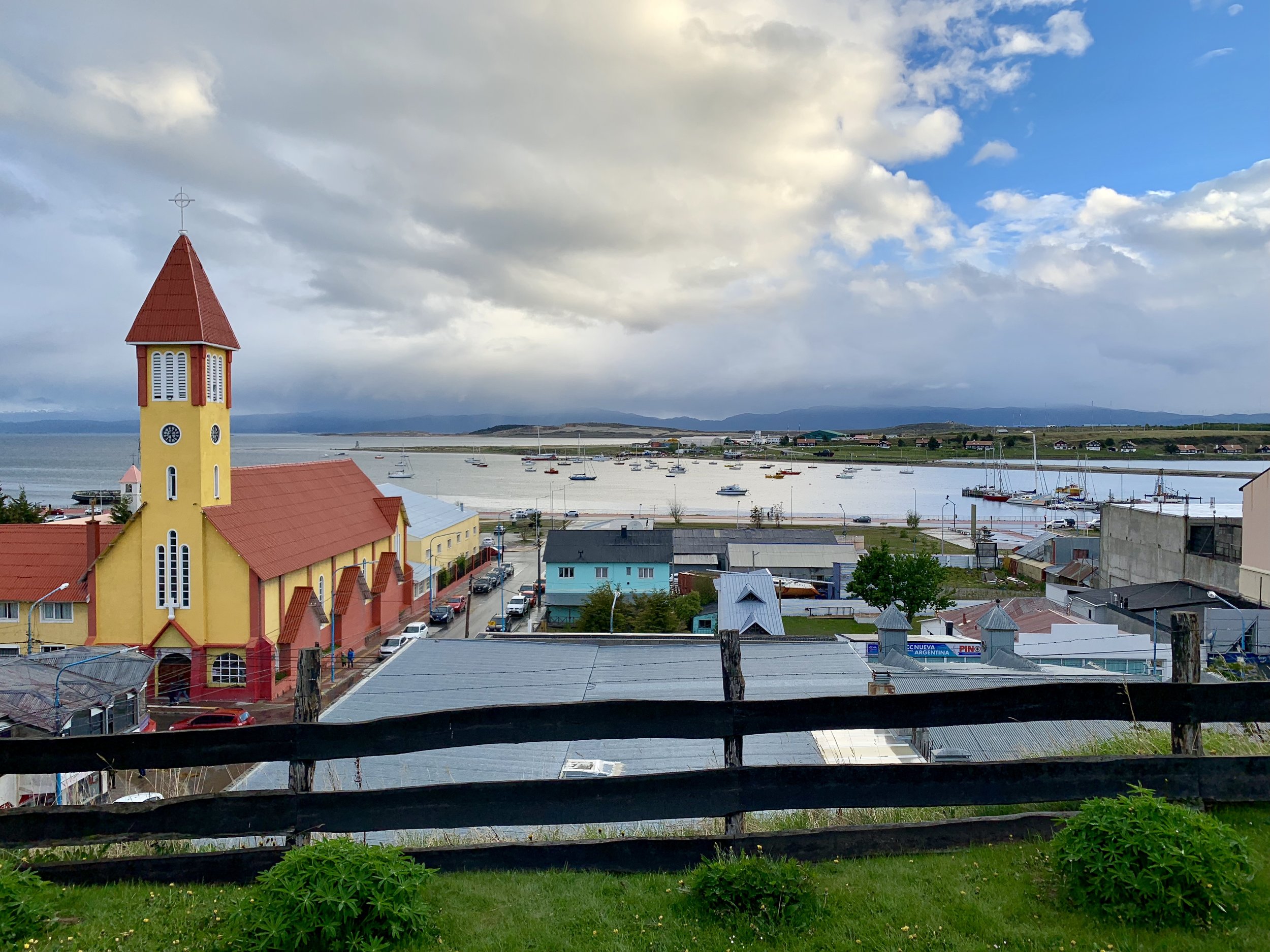
I had dreamed of going to Antarctica for years, and I had heard from fellow travellers that the highlight of their experience was often South Georgia. So earlier this year, I blocked off nearly 3 weeks on my calendar and made the dream a reality last month, travelling to the Falklands and South Georgia en route to Antarctica. We flew into Ushuaia in Argentina, spending a couple of nights there before meeting our ship at the port. It’s important to choose your ship wisely—don’t go for a cheap one, as you truly do get what you pay for. On the higher end, smaller ships will offer more flexibility and enable you to spend more time on land. I would personally recommend travelling on the National Geographic Orion via Lindblad Expeditions—it’s a beautiful ship and a first class experience.

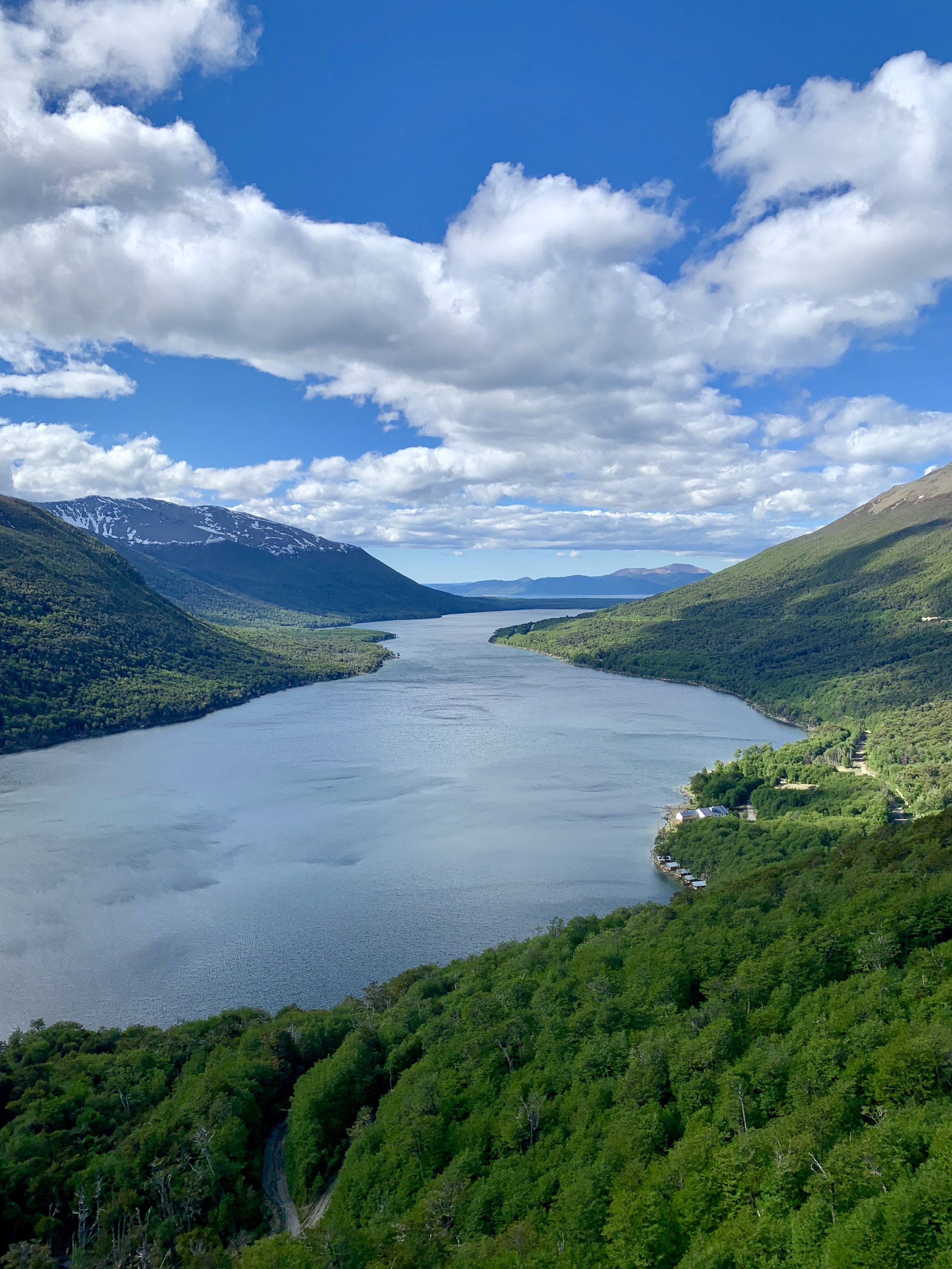
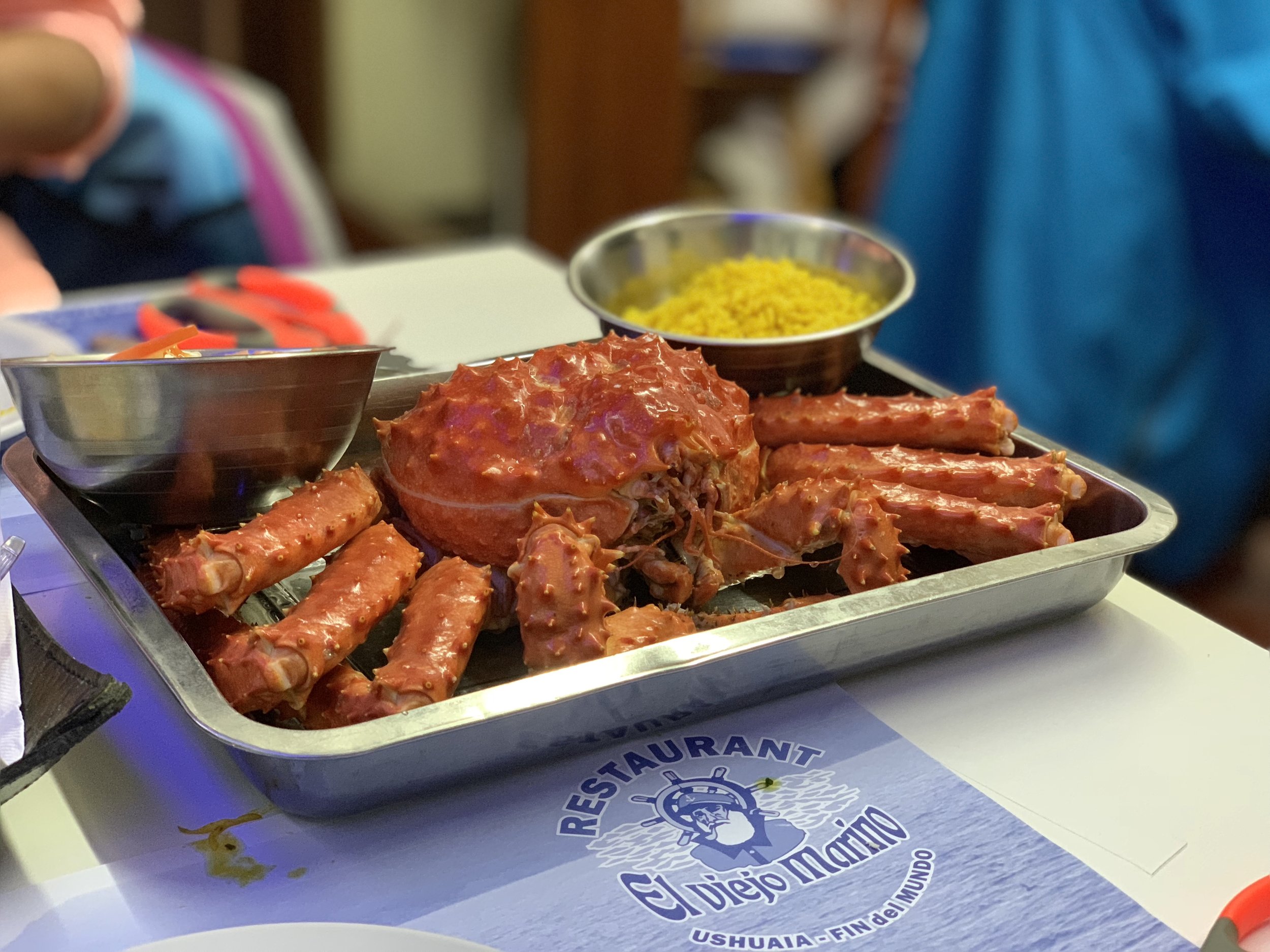
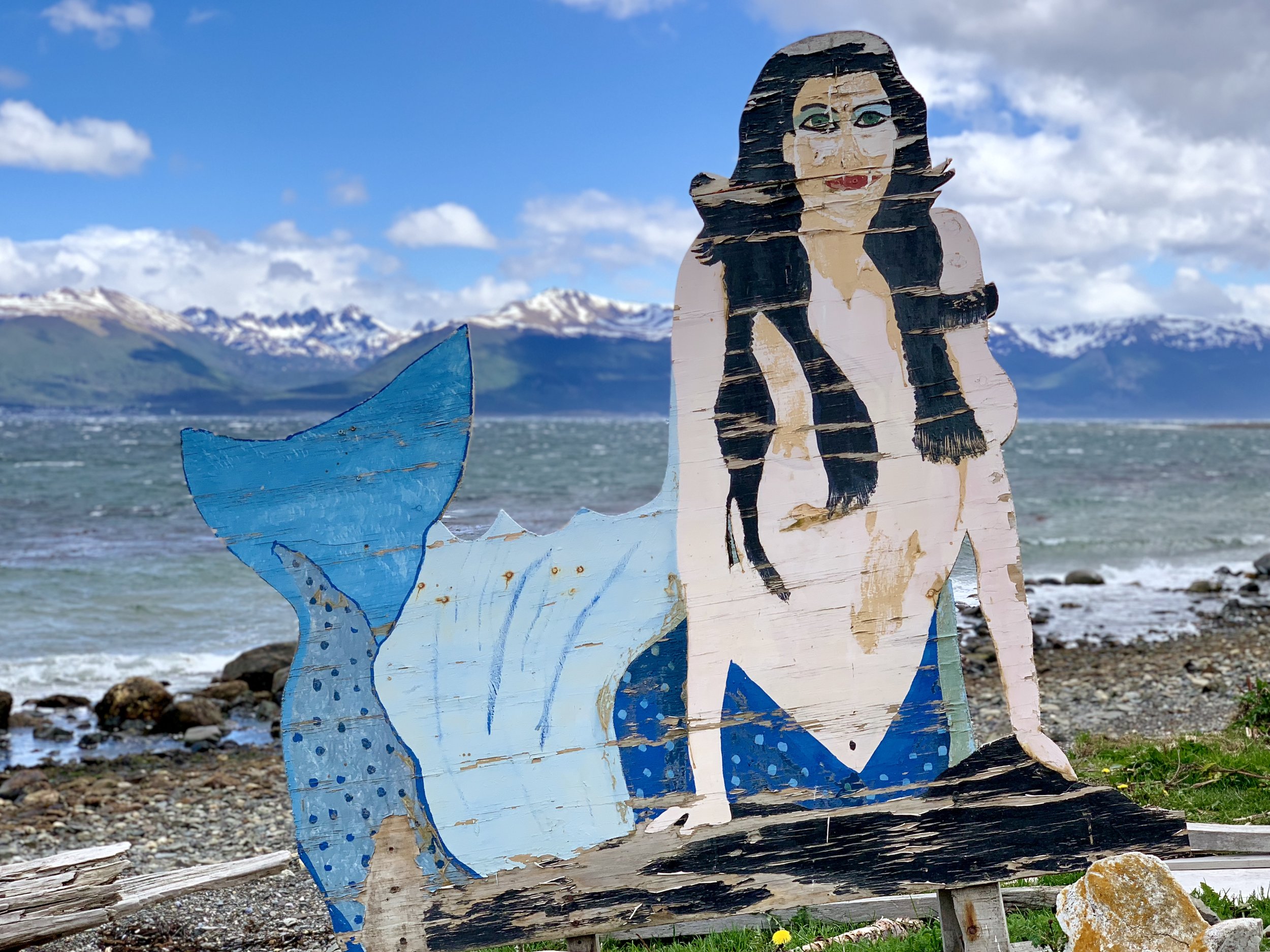
In Ushuaia, don’t miss the centolla (local king crab) at El Viejo Marino - it was so delicious, we went twice for the whole crab experience. You can also order just the crab meat if you’re in a hurry. Also recommended for a high end experience is Kaupe, with views overlooking the city and harbour. For breakfast or a snack with reliable free wifi, check out Tante Sara on the main street in town. If you have at least a full day, I recommend renting a car to check out the beautiful surrounds. Tierra del Fuego National Park was pleasant enough, but much more spectacular was the road east of Ushuaia. We stopped for lunch at La Sirena y El Capitan (cash only) in Puerto Almanza, where the scallops and crab empanadas were some of the best we’ve had. The setting, overlooking the Beagle Channel, with Chile in the distance, is equally spectacular. We drove onwards through the mountains to vistas of Lago Escondido and the enormous Lago Fagnano before heading back to Ushuaia. If you have more time, the shipwreck of the Desdemona, which ran aground in Cabo San Pablo, is worth a visit.

After setting sail from Ushuaia the following afternoon, we had over a day at sea before reaching our first destination, Carcass Island in the Falklands. Known for its population of Magellanic and gentoo penguins, the island features several beautiful yellow sand beaches reaching into light green-blue waters. After sitting on the beach watching the penguins diving in and out of the water, we hiked up to to the island’s highest point for a spectacular view of the surrounding islands and our ship in the distance. From Carcass Island, we sailed to West Point Island, inhabited by a couple who are the island’s caretakers and serve pastries and tea to visitors in their lush garden. The island is also home to several thousand breeding pairs of rockhopper penguins and light-mantled albatrosses. To reach them, we hiked across and the island and through some 2-metre high clumps of tussock grass. We were rewarded by seeing the birds sitting on their eggs, with albatrosses frequently swooping just inches above our heads.

A rockhopper penguin guarding its egg, Falkland Islands

A rockhopper penguin guarding its egg, Falkland Islands

Following two more days at sea (bring your dramamine!), we passed Shag Rocks, a towering, craggy set of formations that is home to thousands of shags (cormorants) before finally reaching South Georgia, perhaps one of the most beautiful places on earth. Our first stop was Salisbury Plain, home to the island’s second largest king penguin colony, with over 500,000 individuals. Baby penguins covered in fluffy brown down mixed together with brightly hued yellow, white and black adults. They approached us curiously but cautiously, making for an unforgettable experience. Fur seals and elephant seals rounded out any available empty space, and the black sand beach made for a memorable backdrop.

A penguin among penguins in Salisbury Plain

A penguin among penguins in Salisbury Plain

We also visited the main settlement on South Georgia, Grytviken, which was formerly a whaling station. Remnants of the station (and others like it) litter the South Georgia coast, a sombre memorial to humans’ mass slaughtering of wild animals. Four staff members live here during the high season (November-March), manning the post office and gift shop as ships arrive nearly daily with visitors. Ernest Shackleton’s grave is also found here, and we drank a shot of whiskey in his honour.

King penguins, St Andrew’s Bay

King penguins, St Andrew’s Bay

The biggest highlight of South Georgia, however, was St Andrew’s Bay, which we visited on our third day on the island. It is home to the island’s largest king penguin colony, and the view over the raucous, colourful colony is one I will never forget. Penguins in all stages of life—babies, those moulting, and adults—abound against the stunning backdrop of glacier-covered mountains, small ponds and rocky beach. We were also rewarded with a spectacular display of lenticular clouds as we motored away towards the southern stretches of South Georgia. We stopped briefly at Cooper Bay to see macaroni and chinstrap penguins, followed by a cruise of the stunning Drygalski fjord.

King penguins and lenticular clouds at St Andrew’s Bay

King penguins and lenticular clouds at St Andrew’s Bay

Sheer happiness in St Andrew’s Bay

Sheer happiness in St Andrew’s Bay

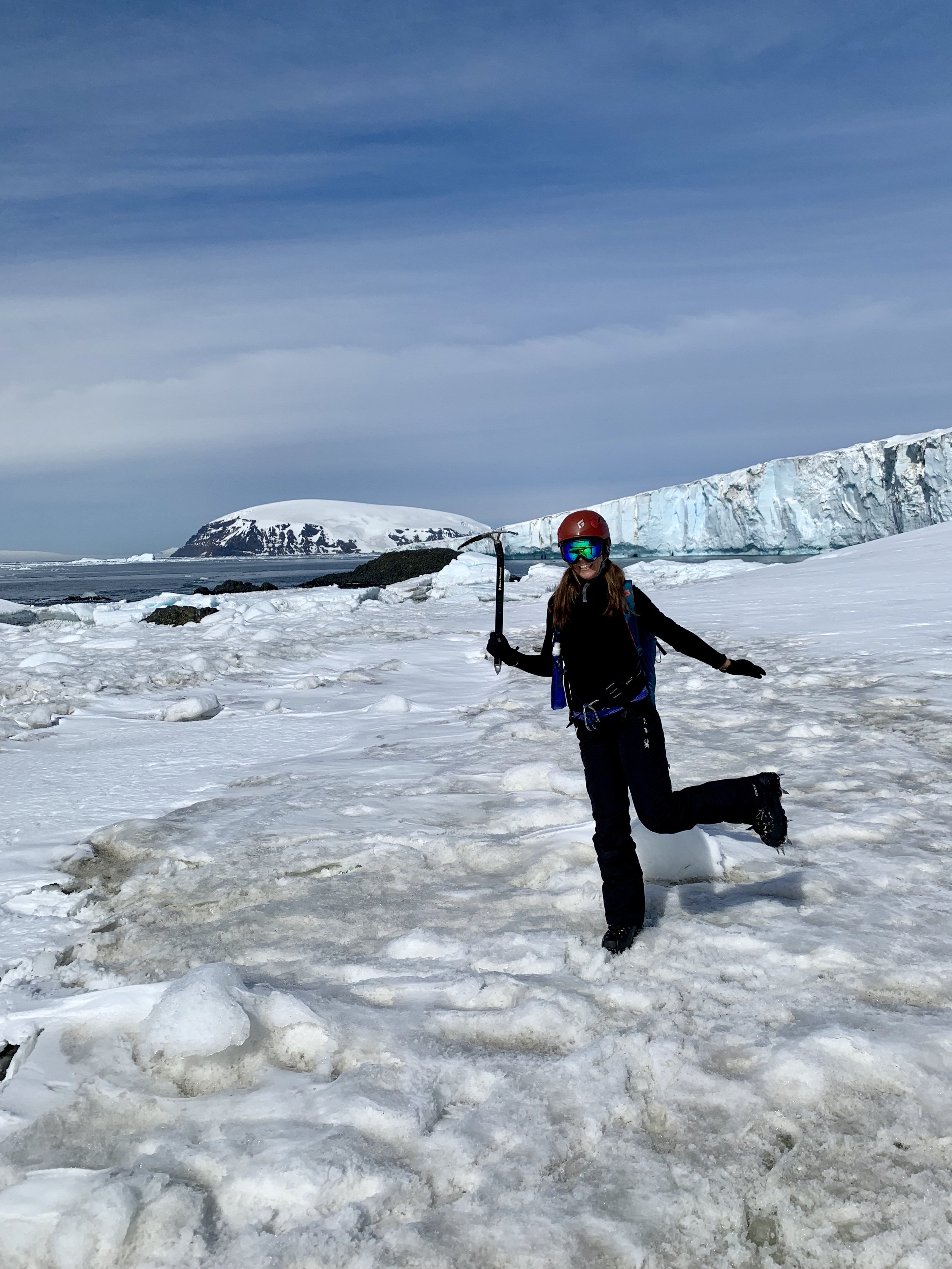
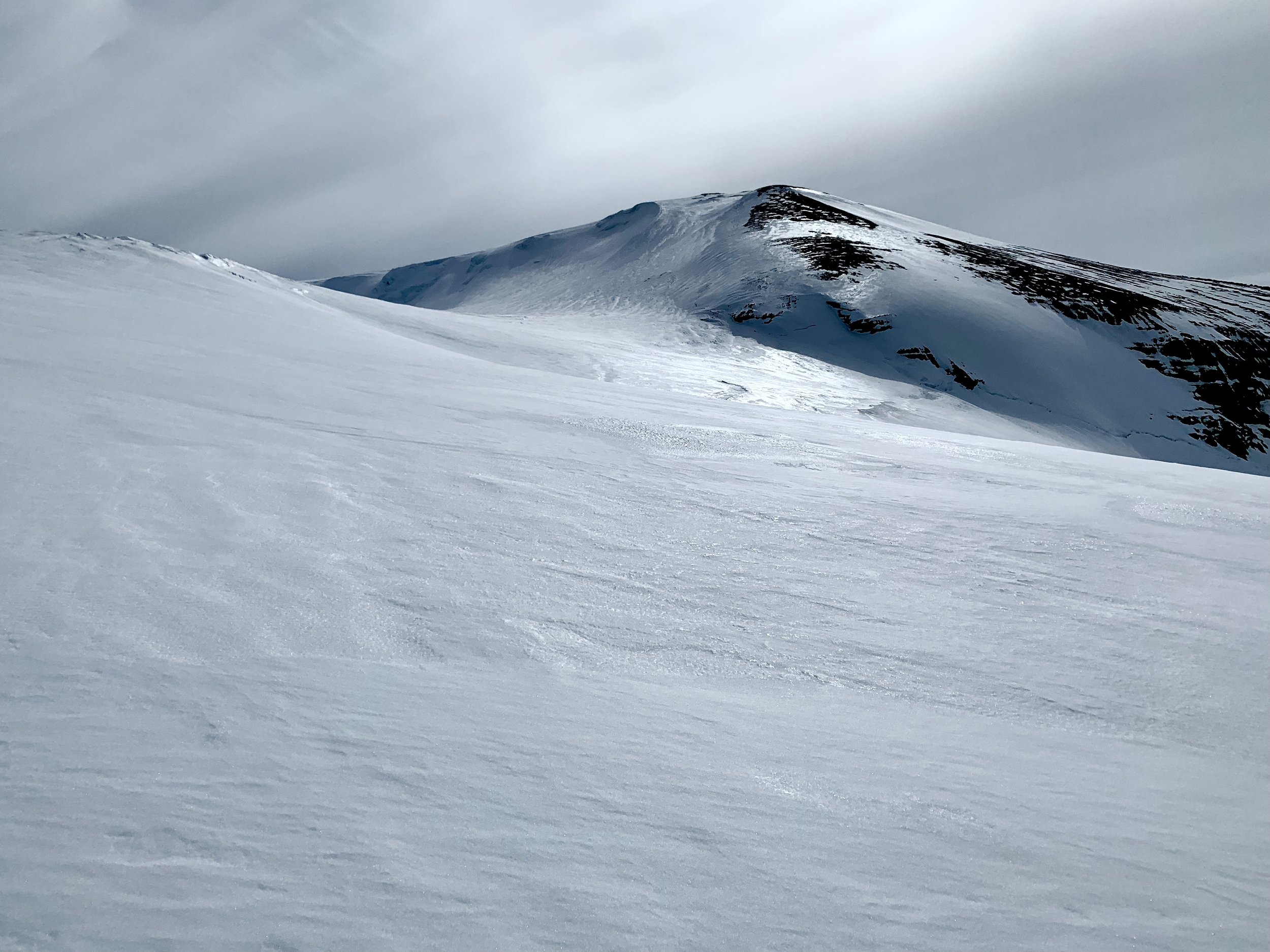
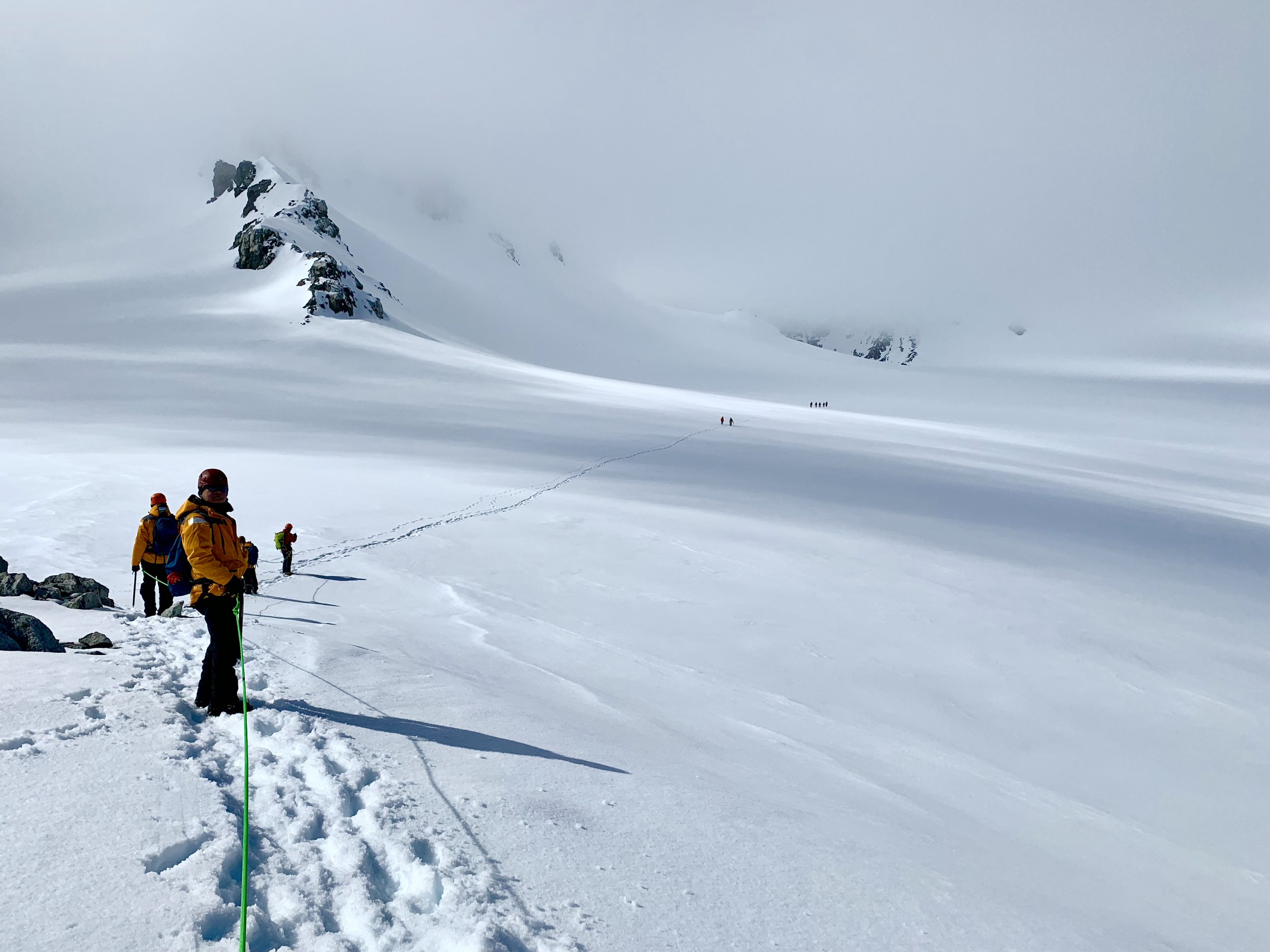
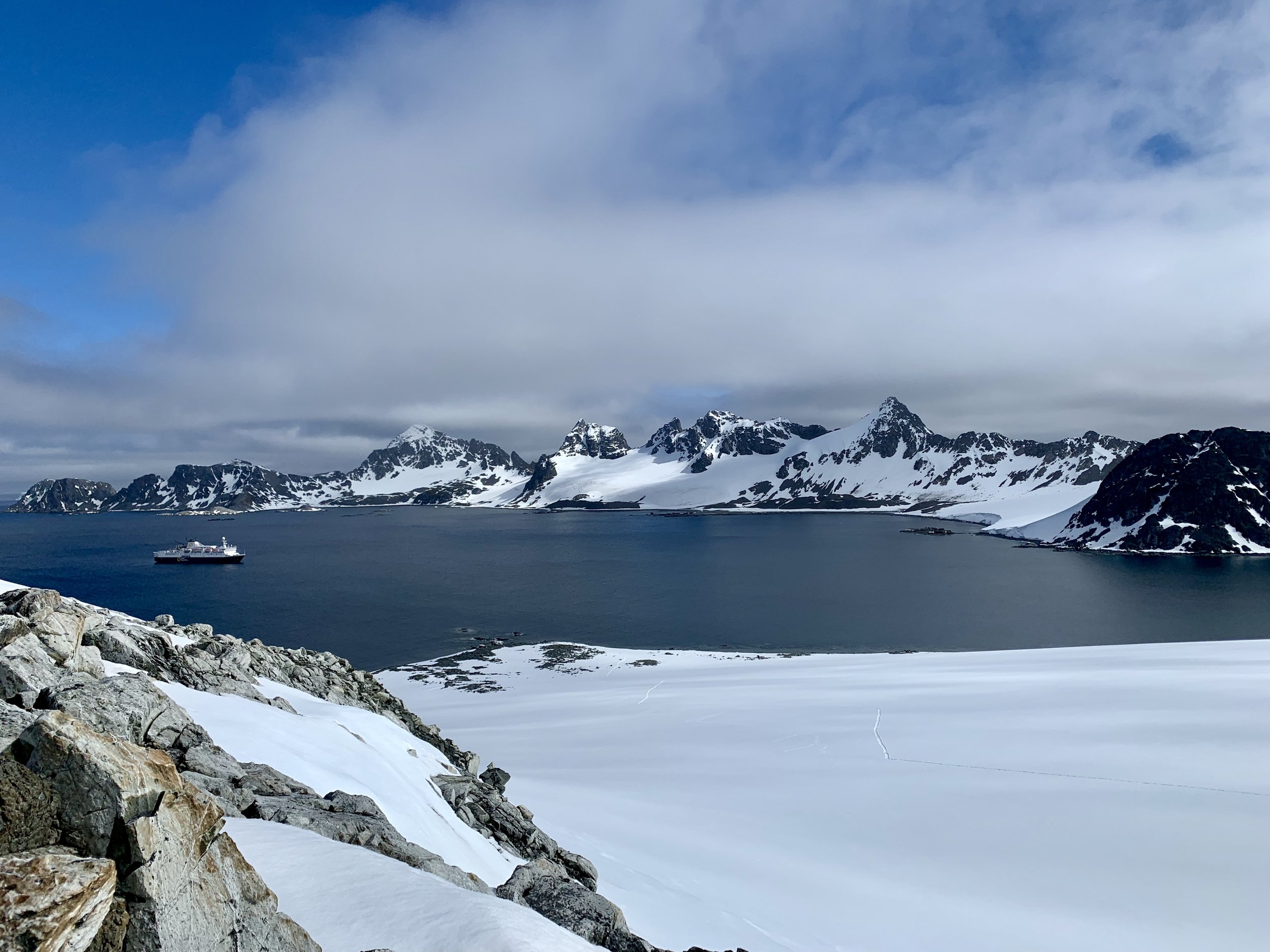
Our first stop in the Antarctic was Laurie Island in the South Orkneys, where a small group of us went mountaineering (complete with ropes and crampons) in fresh powder. We were accompanied by a couple of Argentines from the nearby Orcadas base and learned they live on the base year-round, subsisting on shipments brought in by ship once a year. What do they miss the most? Fresh vegetables!

Brown Bluff, Antarctica

Brown Bluff, Antarctica

A gin & tonic with Antarctic glacial ice

A gin & tonic with Antarctic glacial ice

We made landfall on the Antarctic mainland at Brown Bluff, a stunning set of rocks from which the area gets its name and home to a sizeable colony of Adelie penguins. We again went mountaineering, admiring the views of the icebergs dotted with penguins and bay packed with sea ice. Later, we kayaked through the ice, admiring the quiet that was interrupted only by the sounds of calving glaciers. We collected some of the ice to add to our gin & tonics later on the ship. At Mikkelsen Harbour, as snow and hail pelted us, we visited a colony of gentoo penguins, admiring their strength in the face of the elements. Many of them walked to the end of the island and back to gather rocks for their nests, huddling together as they built up the areas that would house their eggs. At Half Moon Island, we were privileged to witness a colony of chinstrap penguins, oblivious to our existence as we skirted around to allow them to freely pass between us. The surrounding icescape was dotted with rocky pillars, a contrast to the white glacier. We truly felt small.

One afternoon, we were offered the opportunity to do a polar plunge—that’s right, we willingly jumped into 1°C water. It was shockingly cold, and we warmed ourselves with shots of vodka and time in the on-board sauna afterwards. The staff prepared a spectacular Antarctic barbecue on the outer deck, and we bid goodbye to the icey, otherworldly panorama of icebergs, glaciers, frolicking penguins and seals, and deep hues of blue and white as we sailed northwards, back to Ushuaia. It truly felt like the end of the world, and the feeling of setting foot where very few others have is an unforgettable one.

Packing list

  • Sunscreen (the sun is very strong in the Antarctic)

  • Dramamine or other motion sickness medicine

  • Bathing suit

  • Waterproof pants (make sure they are actually waterproof by hosing yourself down before you go)

  • Wool/base layers (layering is key to dressing for the weather, as it changes very rapidly - depending on the day, I wore both t-shirts as as well multiple layers and and outer shell)

  • Comfortable shoes to wear on the ship

  • Hand warmers

  • Two sets of gloves

  • Camera & lenses

  • Extra SD cards (I ended up taking nearly 7k photos)

  • Lotion (the air can get very dry)

  • Books, cards, and games for days at sea

Where to eat & drink

El Viejo Marino

Kaupe

Tante Sara

La Sirena y El Capitan