Top

waterfalls

Top 7 Most Beautiful Islands in the World

Islands have an irresistible pull, and I visit and write about them often (and even live on one). Our planet has hundreds of thousands of islands; below are a few favourites that I’ve encountered in my travels. 

7. Sardinia, Italy 

Sardinia has it all: dramatic cliffs plunging into turquoise coves, ancient history etched into the land, and a fiercely proud culture reflected in dishes found nowhere else in Italy. However long you stay on your first trip, it won’t be enough: you’ll already be planning your return before you leave. The island’s past, shaped by Phoenicians, Romans, and Spaniards, lend it a depth and diversity that makes every town feel unique. 
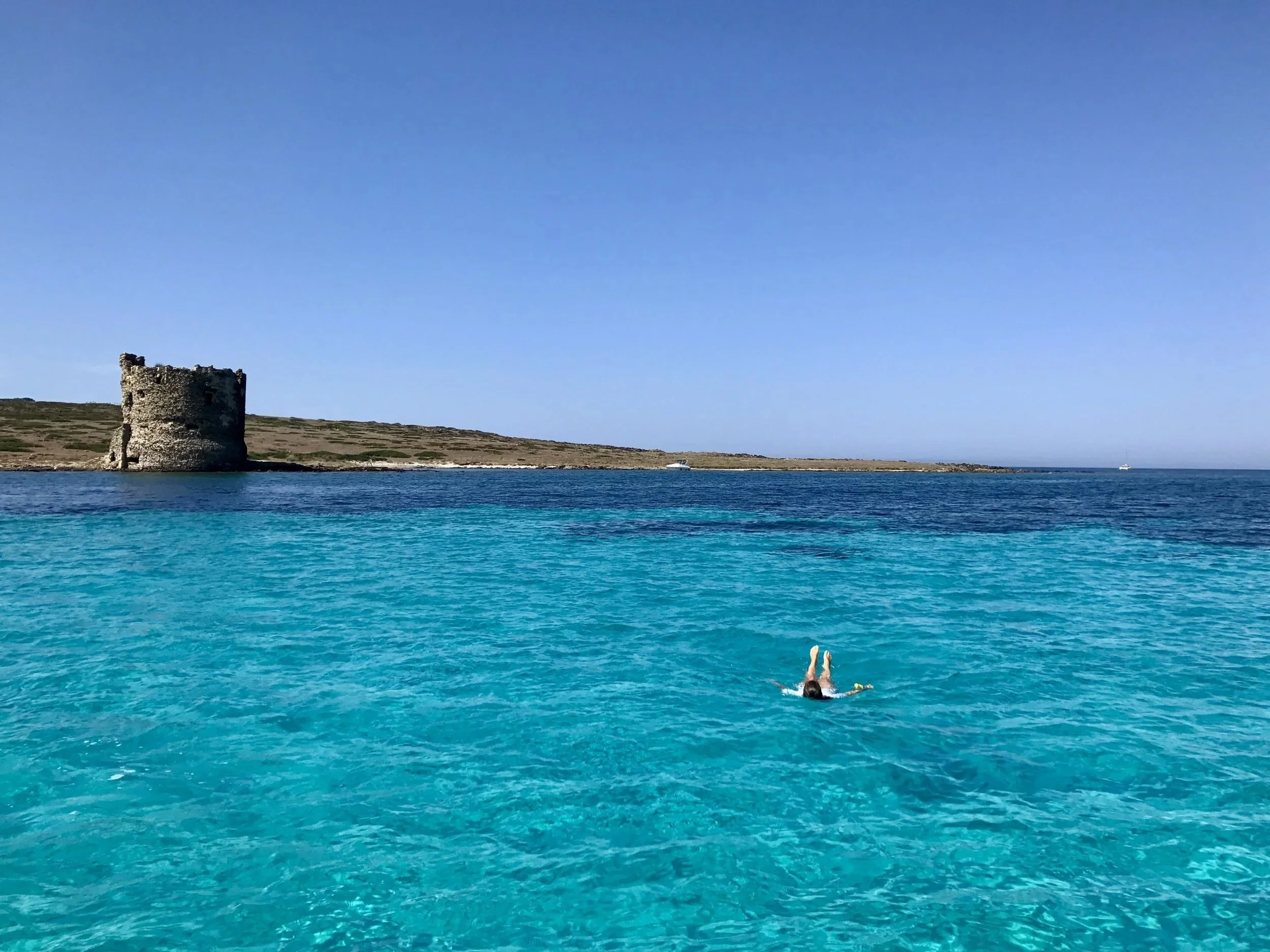
Floating off the coast of Sardinia, Italy

Read more about Sardinia here. And if you like Sardinia, you’ll also enjoy Cape Verde and St Lucia.

6. Isabela, Galapagos, Ecuador

Choosing just one Galapagos island feels unfair, but Isabela–the largest of the archipelago–captures the raw magic of the isles. Isabela is the only place on Earth where you can dive alongside marine iguanas, penguins, and sea lions at the same time. Thanks to its long-standing protected status, the wildlife here is unafraid and curious. It remains one of the most untouched and otherworldly places I’ve ever visited.
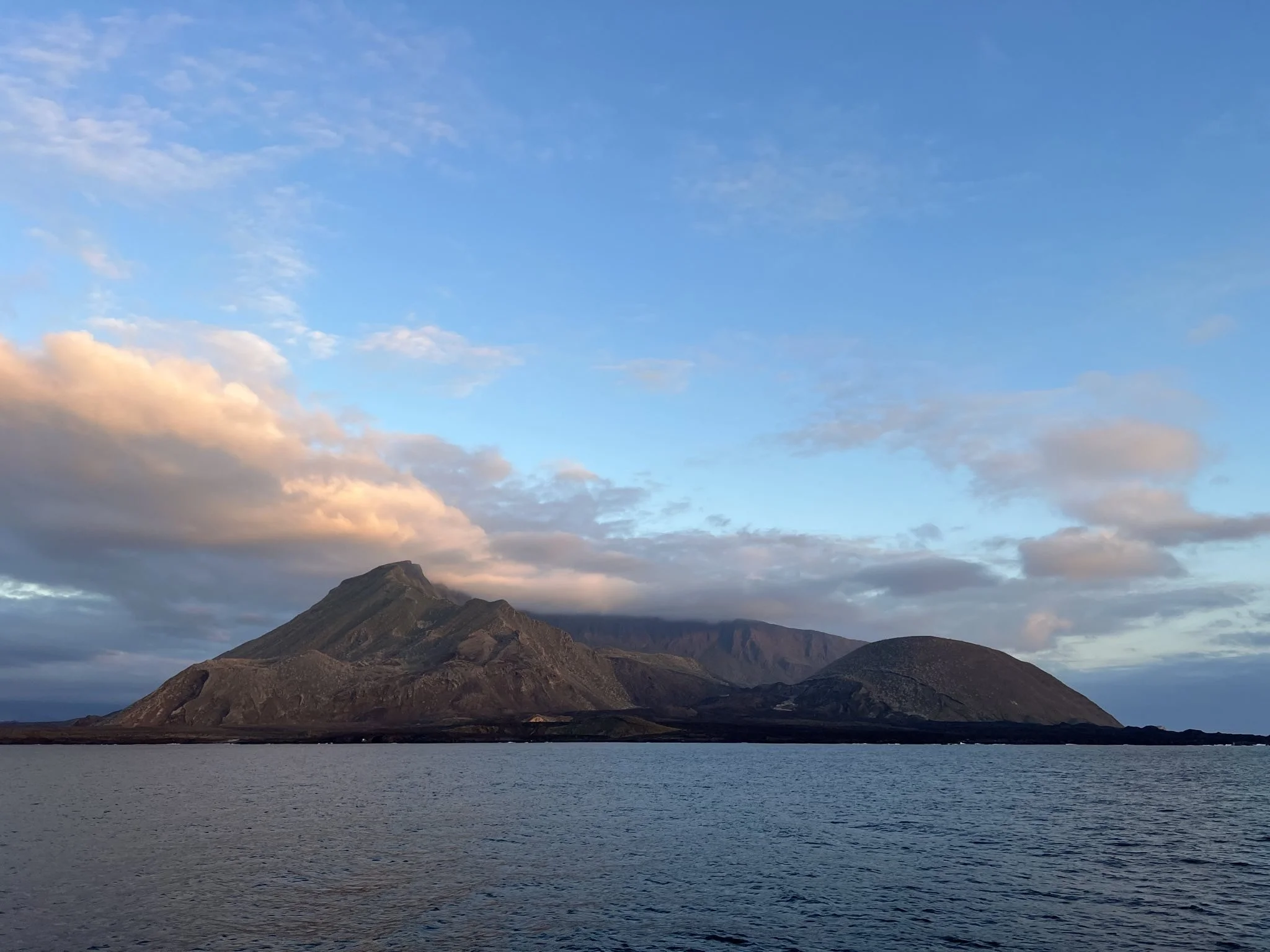
Isabela island Galapagos

Off the coast of Isabela, Galapagos, Ecuador

If you like Isabela, you’ll also enjoy South Georgia and Easter Island.

5. Faroe Islands

The Faroe Islands took me by surprise, charming me with their wild and unfiltered natural beauty, largely uninterrupted by humans. Puffins, gannets, and fulmars crowd cliff edges, waterfalls plunge straight into the ocean, and emerald-hued mountains shift constantly with whatever the ocean winds bring. Visit between May and October, when daylight stretches past midnight. Bring your hiking boots, and don’t miss booking a heimablidni (a home-cooked meal at a local’s house) for an authentic window into the Faroese culture and sustainable way of life. 
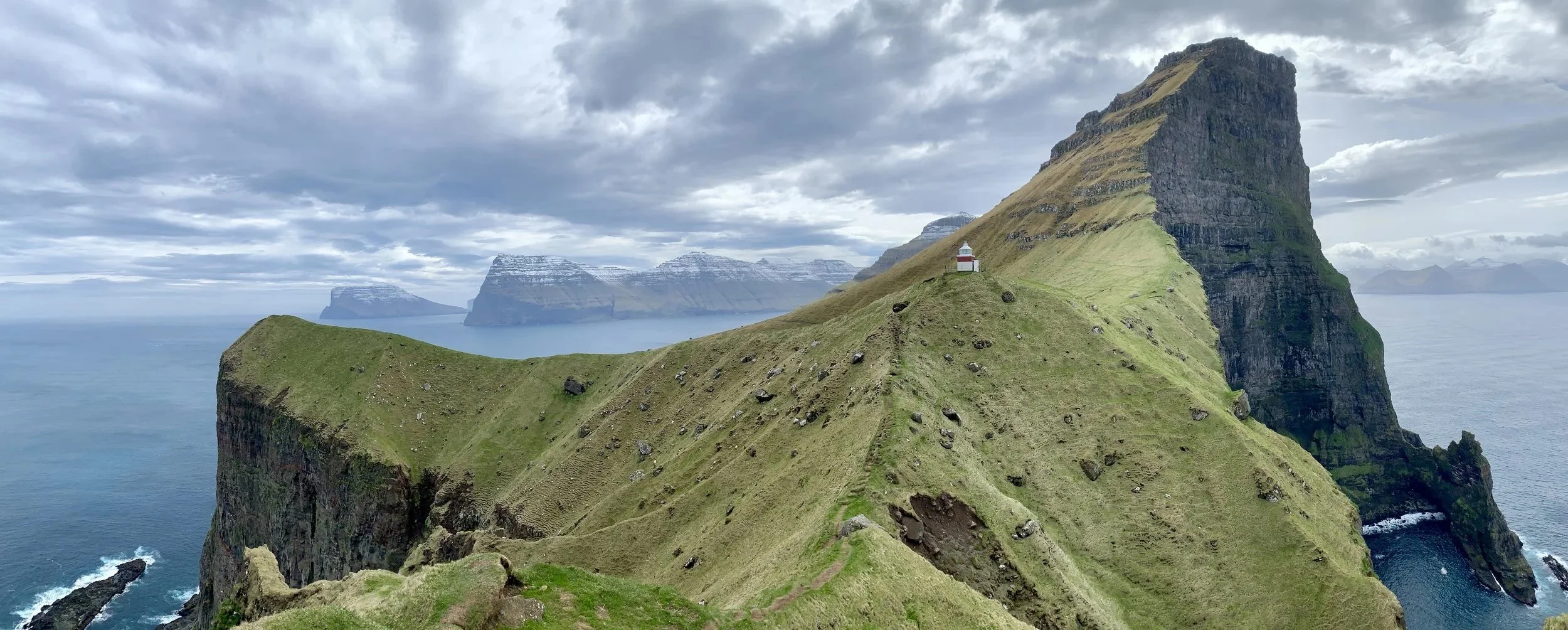
Faroe Islands Kalsoy hiking

Hiking in the Faroe Islands

Read more about the Faroe Islands here. And if you like the Faroes, you’ll also enjoy Greenland and the Shetlands.

4. North and South Islands, New Zealand

I couldn’t choose just one of New Zealand’s islands–the country is spectacular from end to end. The North Island offers geothermal landscapes, glowworm caves lit like starfields, and rich Māori culture. The South Island brings soaring peaks, glaciers, and some of the best hikes in the world. Fresh salmon, lamb, and wine top off the experience. On many trails, you are unlikely to encounter more than a handful of other people, an increasing rarity in today’s world. Needless to say, I dream of returning. 

South Island, New Zealand

Read more about New Zealand here and here. And if you like New Zealand, you’ll also enjoy the Faroe Islands and Niue

3. South Georgia

South Georgia is one of the wildest places on the planet. Apart from a few seasonal researchers, the island is uninhabited by humans and dominated by wildlife. South Georgia is home to the world’s largest king penguin colony (as well as chinstrap, macaroni, and gentoo penguins) along with massive populations of elephant seals, fur seals, and albatross. The island’s history is equally dramatic: this is where Ernest Shackleton landed after his crew’s legendary survival journey across the Weddell Sea off Antarctica. Stepping onto the island feels like stepping into a nature documentary–sure to hear David Attenborough’s voice at any moment.
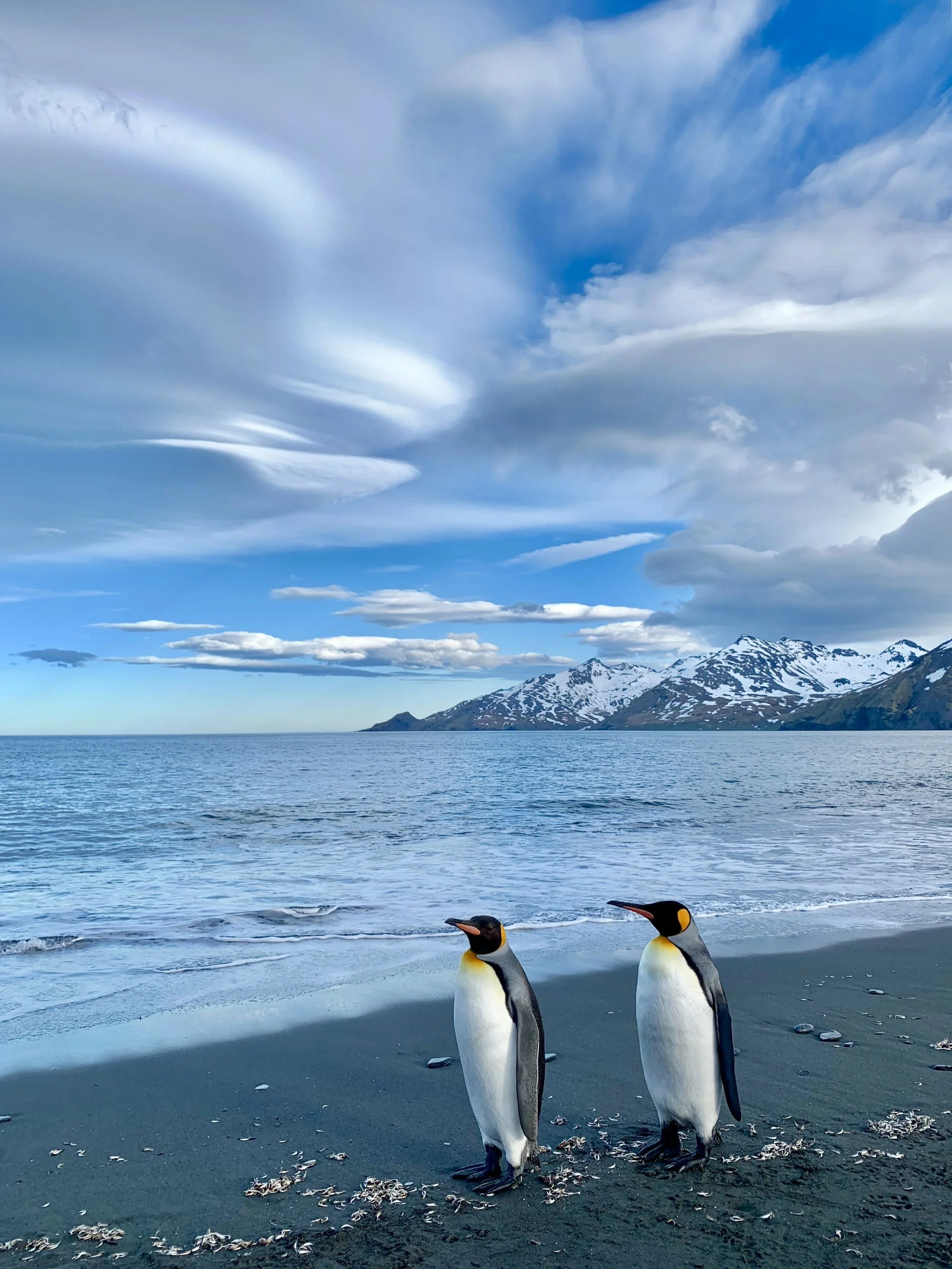
South Georgia penguins lenticular clouds

A couple of king penguins taking a stroll on South Georgia

Read more about South Georgia here. And if you like South Georgia, you’ll also enjoy the Falklands and Greenland.


2. Aldabra, Seychelles 

Aldabra is so pristine that only a handful of researchers live here year-round. It’s one of the few places on Earth where giant tortoises roam freely in astonishing numbers. Coconut crabs scuttle across the forest floor, and the lagoon hosts a thriving underwater world almost untouched by humans. Endless white-sand flats stretch into shallow turquoise water as far as you can see. If there’s a heaven on Earth, Aldabra is close.
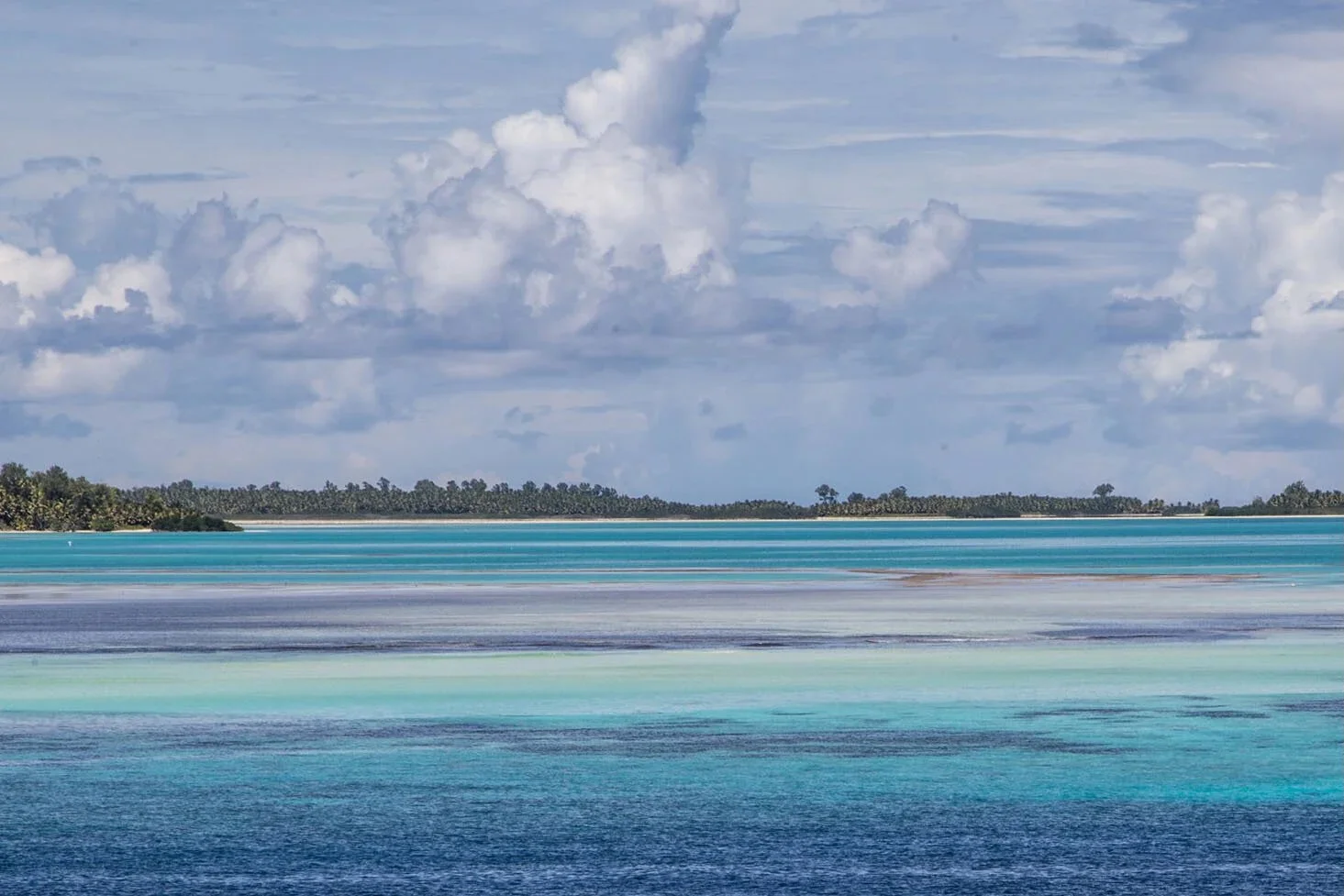
Seychelles Aldabra island

Endless hues of blue off Aldabra, Seychelles

Like South Georgia, Aldabra is uninhabited by humans with the exception of a few researchers from the Seychelles Island Foundation, formed to protect the local habitat. It is one of the only places in the world where you will encounter the giant tortoise, wandering alongside colourful coconut crabs and an underwater world teaming with life, largely unbothered by human interference. Impossibly long stretches of white sand disappear into aqua-hued shallow waters stretching into the horizon. If there is a heaven on Earth, this is it.  

If you like Aldabra, you’ll also enjoy Millenium Atoll (Kiribati) and Socotra (Yemen).


1. Ikaria, Greece

Named after Icarus, who flew too close to the sun, Ikaria is rugged, mystical, and fiercely independent. I first came to study Greek at the island’s cultural center, then returned again and again to explore its mountain trails, thermal springs, secluded beaches, and villages where time seems to run slower. Its famous honey, wine, and olive oil are some of the best in Greece. At just 99 square miles (255 km²), Ikaria feels both intimate and endlessly explorable.

Ikaria, named after Icarus, who flew too close to the sun, is wild, rugged, fiercely self-sufficient, and breathtakingly beautiful. I’ve travelled there more times than I can count, first to study Greek at the Ikarian Cultural Center, and later to explore more of the island’s diverse topography - stunning mountain hikes, hot sulfur pools, and sandy beaches - all backed by rich local products, from olive oil to honey to wine. Ikaria is just 99 square miles (roughly 255km), and yet each time I visit, I discover even more to explore. 
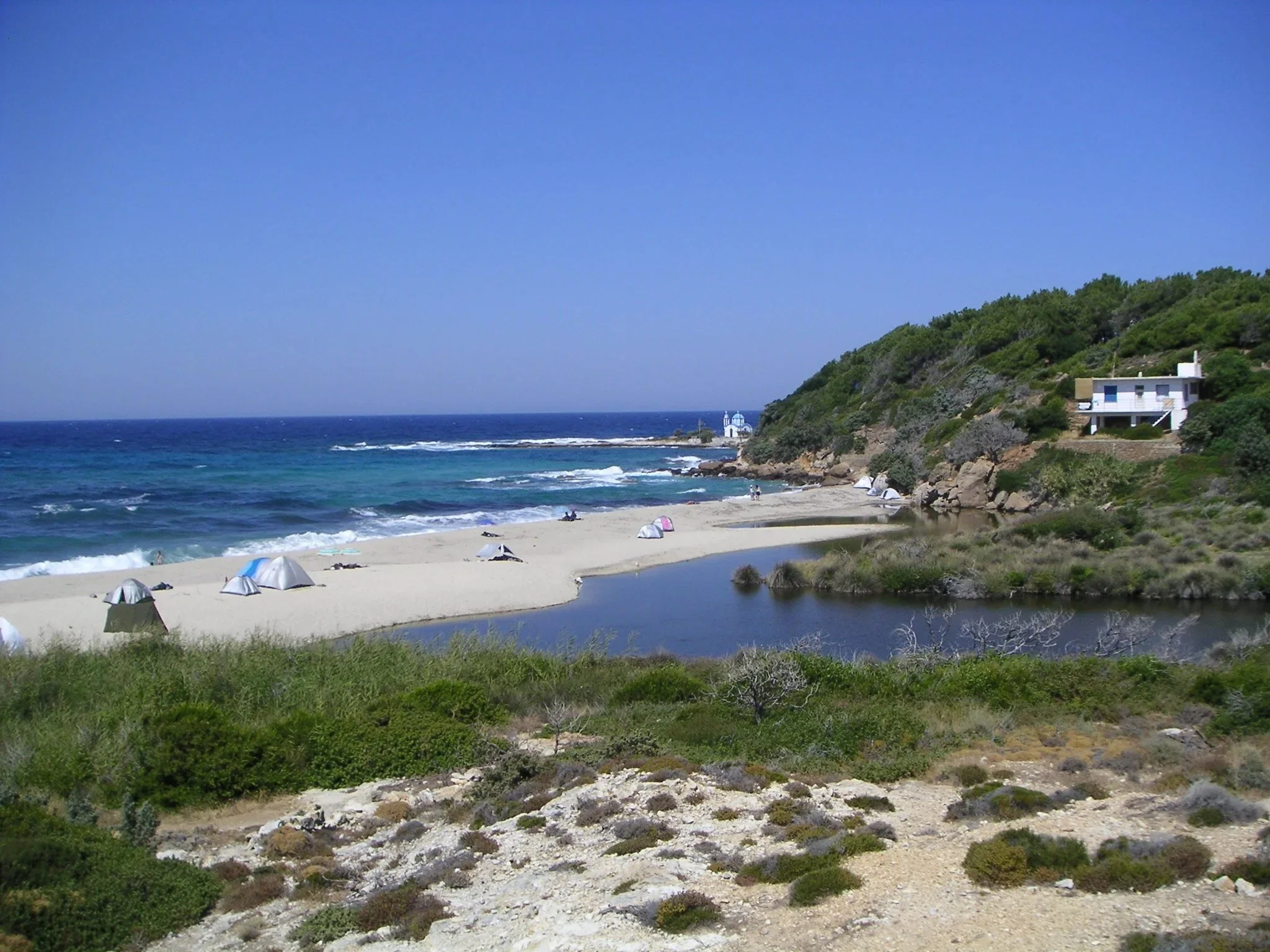
Greece Ikaria island beach

If you like Ikaria, you’ll also enjoy Sardinia and Miyakojima.

For more inspiration, check out my previous post on the Top 7 Beaches in the World.
Oman: order and beauty

In Charles Baudelaire’s poem L’invitation au voyage (inspired by his travels as a youth), he paints an image of both calmness and oriental splendor.

Là, tout n'est qu'ordre et beauté,

Luxe, calme et volupté.

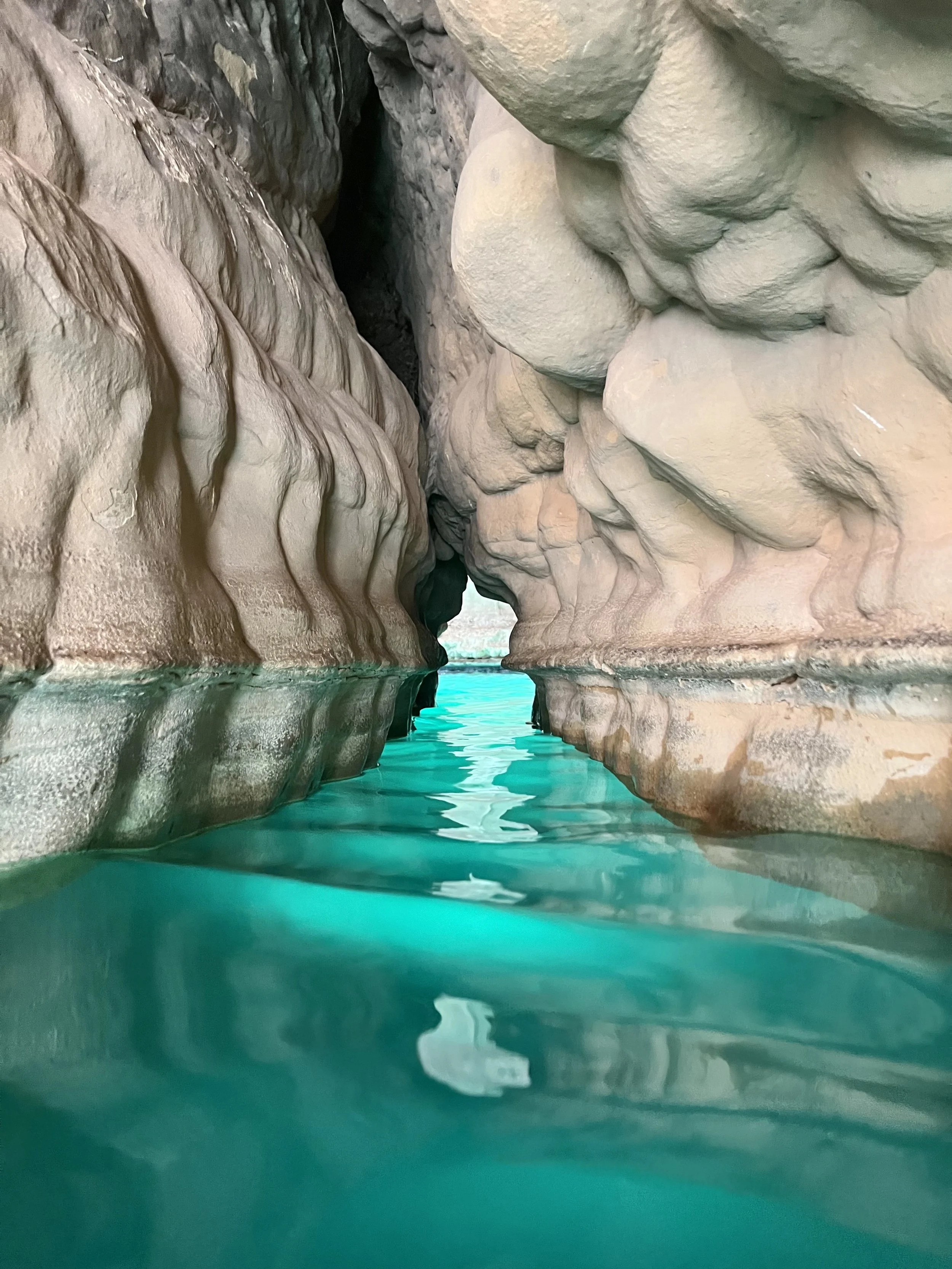
Swimming through a turquoise pool at Wadi Shab, Oman

Swimming through the turquoise waters of Wadi Shab, Oman

I was reminded of his words on a recent trip to Oman, a stunningly beautiful country filled with some of the most charming locals I’ve met on my travels. Upon landing in Muscat in the evening and heading to the rental car booths (highly recommended as an economical and easy way to get around), everyone along the way made me feel welcome, telling me about the city, its origins and its people. I also found it to be a safe country; as a solo female traveller, I was treated everywhere with kindness and respect. After checking into my hotel room, I sat on my balcony, breathing in the fresh sea breeze, enjoying the lingering sensation of saltiness and heat infused with the sweetness of the night.

The following morning, I drove to the MolaMola Diving Center to embark on a day trip to the Dimaniyat Islands, a nature reserve some 40 miles (70 km) northwest of Muscat. The dive boat was full of travellers from around the world, including some locals, and the vibe was one of lighthearted banter and chatter about off the beaten path adventure destinations. The diving was well worth the boat ride out: turtles, cuttlefish, and schools of fish darted around well preserved coral heads with relatively good visibility and a touch of current. Lunch was served on board the boat, and the rocking of the waves lulled us into a deep satiety as we returned to Muscat. I spent much of the rest of the day working, venturing out to the nearby Royal Opera House to admire the architecture and for an evening stroll along the waterfront, where families, couples, and groups of friends created a lively atmosphere.  

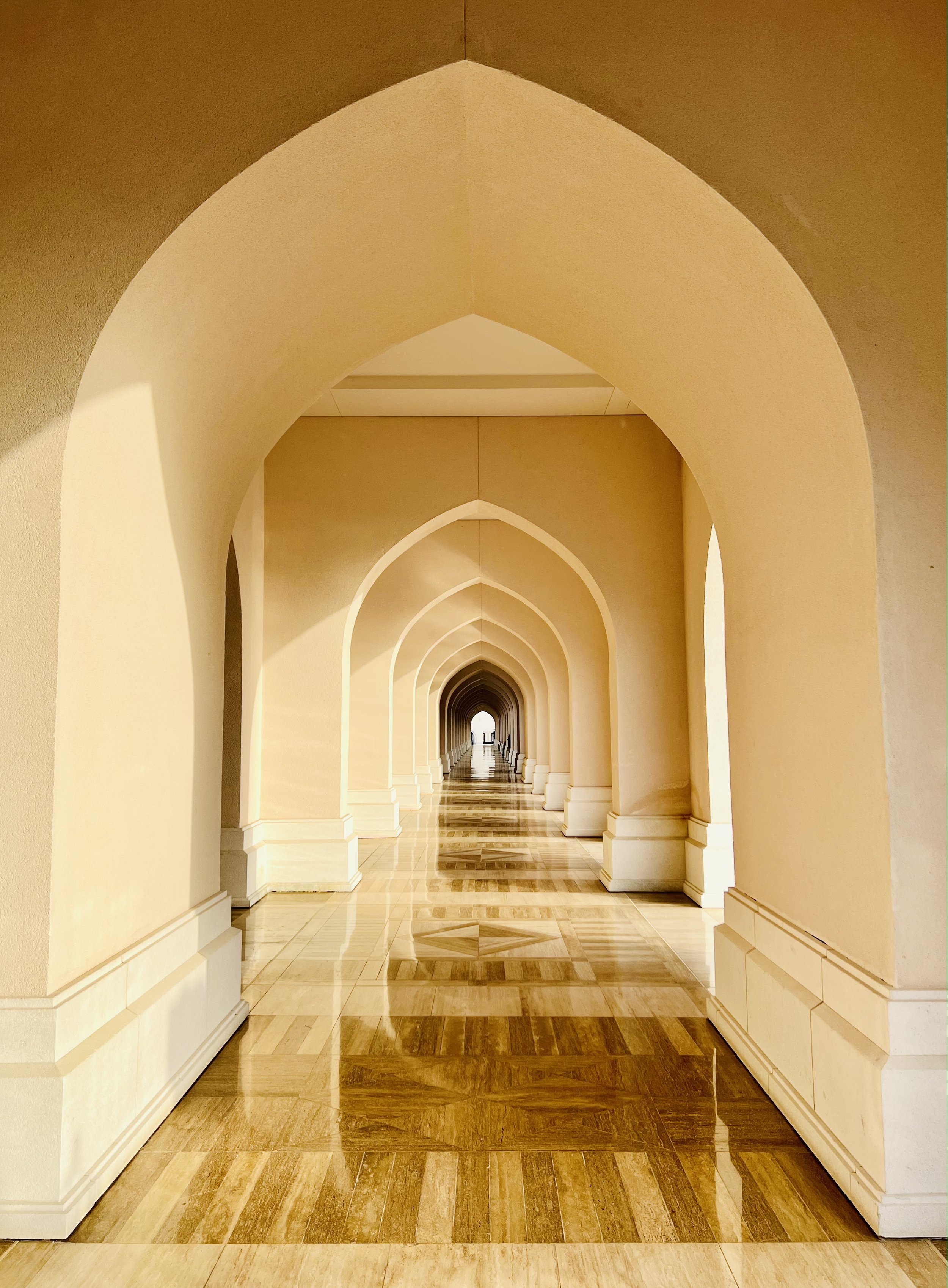
Arches at Royal opera house, Muscat, Oman
Along the Muscat waterfront, Oman

Muscat waterfront, Oman

After a light breakfast, I drove south, arriving roughly 90 minutes later at Wadi Shab for a fun adventure combining hiking and swimming. From the parking area, a short boat ride run by locals for 1 rial per person takes you across the river to the start of a scenic hike to a series of natural pools carved over centuries by the moving water. Despite starting early in the morning with few others along the trail, I found I was baking in the heat of the sun by the time I reached the first pool after about 40 minutes. Stripping down to my bathing suit, I put my belongings in a dry bag and began swimming through a series of 3 pools until I reached a narrow crevasse with a shining turquoise pool of water on the other side. A small waterfall gushes in from yet another small pool just above, reachable by a thick rope over wet rock for those seeking more thrills. Lingering, I enjoyed turning all my senses to the sights and sounds of nature, letting any everyday worries flow away with the sound of the water amplified by the rocks around me, carved over centuries. It was a subtle reminder that this river has flowed long before you or me, and will likely continue long after we cease to exist. 

Hiking in Wadi Shab, Oman

Hiking through Wadi Shab, Oman

Hiking Wadi Tiwi, Oman

Wadi Tiwi, Oman

The wadis in Oman come in all shapes and sizes; based on a recommendation from a new friend on the dive boat, I ventured further south along a winding mountain road to Wadi Tiwi. From the parking area, a series of steps lead downwards to a set of pools in a rainbow of green-blue hues. Swimming was a respite from the ever-present heat, and scrambling around a few rocks yielded a stunning view into a deep canyon where the river widened before disappearing from view around the bend. I encountered just five other people who expressed surprise that I had driven myself in a rental sedan; most visitors arrive with a local guide in a 4x4. Rest assured, you’ll fare just fine in any vehicle, but do check the road conditions in advance.

Bimmah sinkhole, Oman

Bimmah sinkhole, Oman

En route back to Muscat via villages forgotten in time, I stopped at the Bimmah sinkhole, which was full of visitors in the afternoon. Many were swimming in its crystal clear waters, but this may be a bit of a letdown after you’ve experienced the wadis further south. Instead, I recommend continuing onwards to Mutrah, a port town just east of Muscat, and enjoying a traditional Omani meal at Bait Al Luban. Their rendition of shuwa, a classic Omani celebration dish of marinated meat roasted in an underground firepit for hours, was fantastic, as was the shorbat adass, a lentil soup enhanced with local spices. Afterwards, get lost in the myriad of wares at the Mutrah Souq, or stroll along the Mutrah Corniche to admire the views of the fort and whitewashed buildings set against a backdrop of sharp mountainous peaks. 

Mutrah corniche, Oman

Mutrah corniche, Oman

Walking in Mutrah souq, Oman

Mutrah souq, Oman

Muscat itself features numerous attractions, ranging from local sweets at Al Hosni to exotic fragrances at the Amouage perfume centre. With just a few days, I lacked the time to visit the Musandam Peninsula, renowned for its diving, or the picturesque villages of the Al Hajar mountains. But trying to experience all these places in one visit would be a mistake; Oman is the type of place that invites you to return, time and time again, with the feeling of always wanting more. 

Là, tout n'est qu'ordre et beauté,

Luxe, calme et volupté.

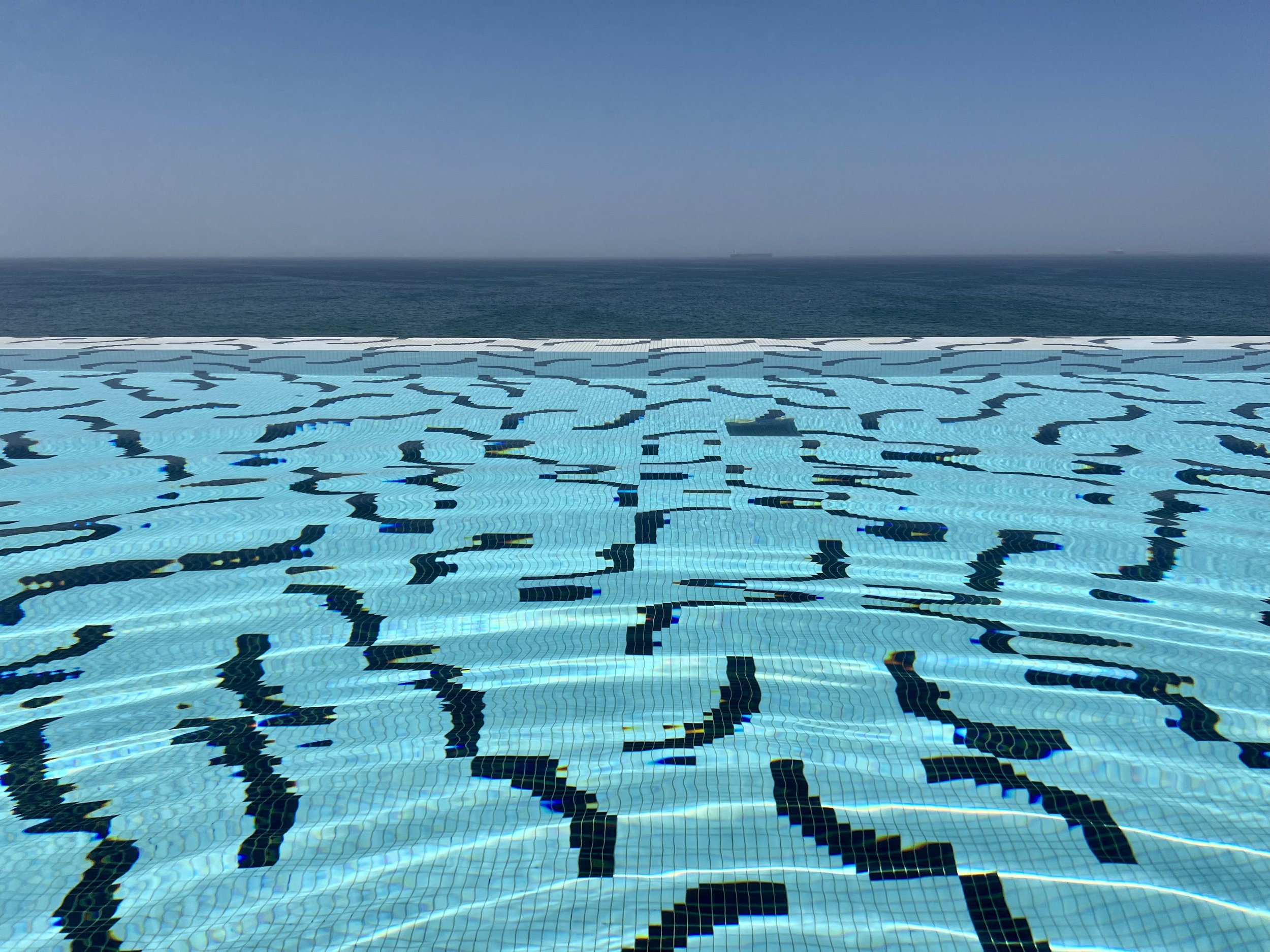
W hotel infinity pool, Muscat, Oman

Infinity pool overlooking the Gulf of Oman

St Lucia: crystal waters, cocoa, and craters

Few places have it all, but St Lucia is a serious contender. Staggering deep green mountains for hiking and climbing, rainforest trails filled with coffee and cacao trees, coral reefs teeming with life, and volcanic hot springs paired with a rejuvenating mud bath? Yes, yes, yes, and yes. What’s more, the people are some of the kindest I’ve met anywhere, and delicacies like saltfish and green figs, or freshly caught grilled fish paired with the local hot sauce, will leave you wanting for more.

St Lucia mountains rainbow

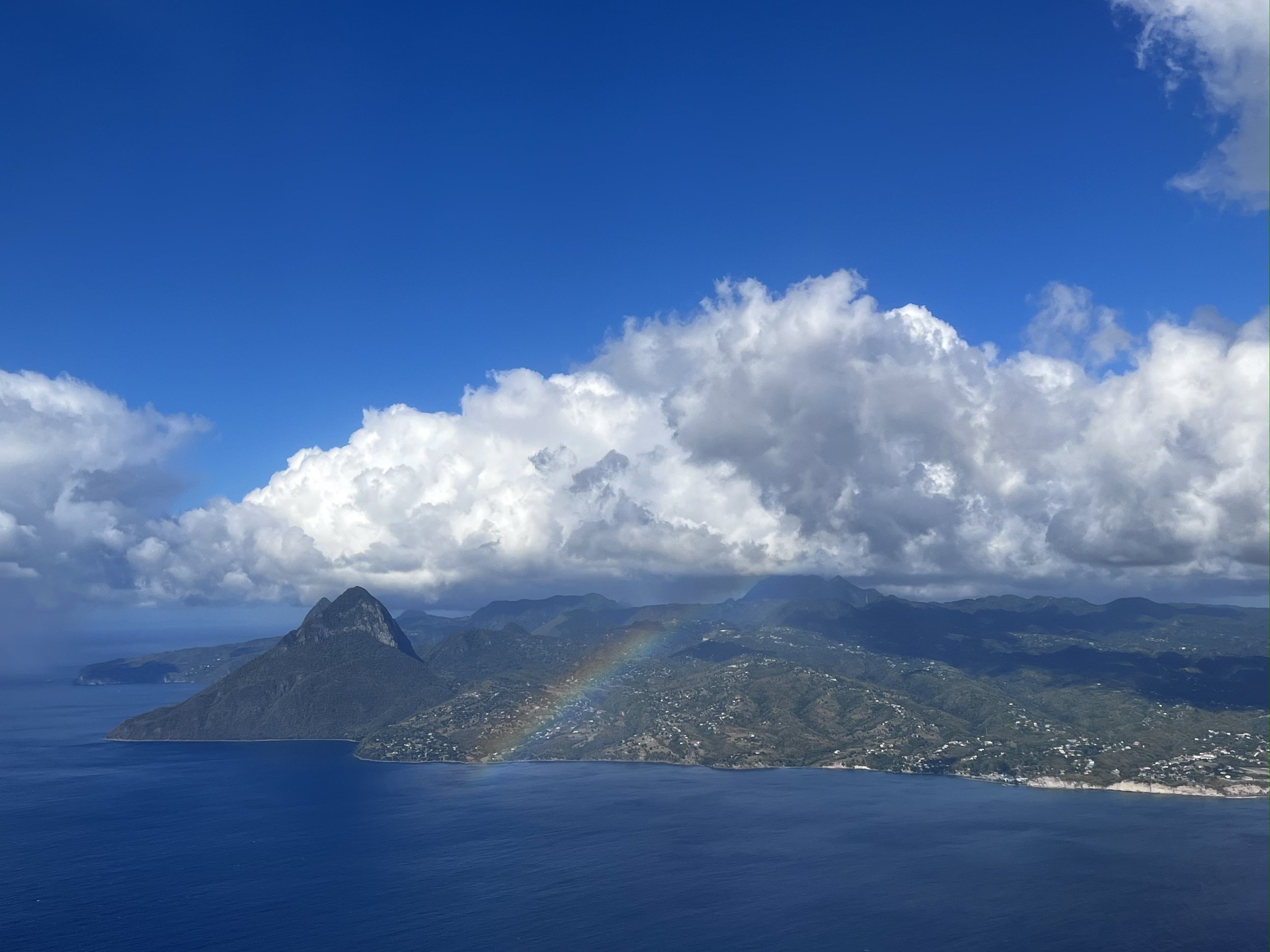
View of the Pitons flying into St Lucia

Flying into Hewanorra International airport, I was treated to a spectacular view of the green-covered twin peaks of Gros and Petit Piton (large and small, for the non-francophone), and quickly began to settle into island time. We stayed at Sweet Breezes, a simple but spacious rental home a stone’s throw from the more upscale Tet Rouge resort in a less populated area, and at night we marveled for hours at the vast quantity of stars we could see from our roof deck due to little light pollution. A few minutes’ walk took us to a small beach, where at night the waves shone with bioluminescence as they lapped the shoreline. This is a place where time seems to slow, allowing you to reconnect to what’s truly important. 

Sunset St Lucia beach

Sunset, St Lucia

St Lucia Jalousie beach

Jalousie beach, St Lucia

The sea here teems with life, and you’ll be treated to schools of bright yellow grunts, squads of hovering squid, and a lone camouflaging octopus or two whether you snorkel or scuba dive. I did a couple of great dives with Chester, who runs Action Adventure Divers out of Soufriere at the base of the Pitons. We sought out invasive lionfish during our dives, which Chester speared and then asked a friend to fry for us next to the dive shop. One of the best snorkeling spots is on the north side of Jalousie beach, which you can reach by boat or by road via the Viceroy’s high-end Sugar Beach resort. We saw moray eels both freeswimming and emerging from hiding spots in the coral, inquisitive Caribbean reef squid traveling in family-size units, and a pair of pillow-sized porcupine fish. All beaches in St Lucia are public, and we enjoyed strolling along the sand, admiring the Pitons towering on either side of us. We followed with local greens, grilled fish, fried chicken, and passionfruit-flavoured drinks at the beachside restaurant, our feet in the sand as the sun set into the sea.

St Lucia sunset palm tree

St Lucian sunset

Petit Piton hiking

View of Petit Piton whilst hiking Gros Piton

Feeling up for an adventure, the next day we awoke early to hike up Gros Piton. Upon arriving at the trailhead, we were paired with a local guide and asked to pay a $50 USD entry fee, which goes to the local community (note: you cannot go up without a guide and at least 1.5L of water per person, though I’d recommend bringing 2L or more). Reaching the summit requires roughly 2 hours of mostly uphill hiking, with 3 spots spaced roughly 30 minutes apart to stop, rest, and enjoy the views along the way. We were rewarded with a sense of accomplishment and spectacular views of both Petit Piton (a more difficult summit, involving some climbing) and the southern expanses of St Lucia, with the peak of La Soufriere volcano on St Vincent visible in the distance. The way down felt longer, as it often does, but fortunately a small hut selling delicious homemade ice cream and an assortment of cold drinks awaits.

St Lucia volcano crater

Volcano crater on St Lucia

St Lucia is also one of the few places you can drive into the crater of an active volcano. We were greeted by the strong smell of sulphur and a few friendly local employees, who took us to a lookout point from where we saw an assortment of bubbling hot pools and heard stories about the history and formation of the area. Afterwards, we dipped into the nearby mineral hot springs, slathering ourselves in volcanic mud with revitalising properties that locals and tourists alike swear by. Our skin did feel baby soft for a few hours afterwards, so it’s certainly worth a shot.

Should you be craving a different kind of bath, nearby is the Toraille waterfall, a pretty 50 foot (15 metre) drop into a cold wading pool—stand under it for a nice back massage. Alternatively, nearby is Hotel Chocolat, an eco hotel with a spa featuring exfoliating scrubs and massages with oils made from the cacao beans grown locally on the property. Feeling sufficiently relaxed, we toured the cacao groves, and our patient guide taught us how to make our own chocolate bars from the raw ingredients. Spoiler: it requires patience and a lot of grinding pestle against mortar, and results in some of the best chocolate you’ll ever have. 

Project Chocolat St Lucia

Our patient guide at Hotel Chocolat

Anse Mamin beach St Lucia

Anse Mamin beach, St Lucia

Desiring more time in the sea, we headed to the nearby beaches of Anse Chastanet and Anse Mamin. Accessible by boat or car, both feature large expanses of sand lapped by crystal clear waters with dramatic rock-hewn backdrops. The high-end, open air sister resorts of Jade Mountain and Anse Chastanet are located here, and we enjoyed the fish ceviche served in a coconut along with delicious burgers on the beach at the relatively quieter Anse Mamin. Whiling away an afternoon alternating between swimming, reading, and sunbathing was enough to forget the outside world, and splurging on a couple of nights at the nearby Caille Blanc villa was definitely the right choice.

A short drive or walk from the beach, Caille Blanc perches dramatically on the hillside, with an infinity pool overlooking perhaps the best view of the Pitons. The view is overshadowed only by the friendly staff, who will ensure your stay is as magical as their island. I spent hours gazing over the expanse of ocean and mountains, and the image of the twin Piton peaks remains etched in my mind like an invitation. It’s a place you’ll want to linger, taken in by its serenity as you reflect on how lucky we are to live in this world.

Caille blanc villa pool St Lucia

View of the Pitons from the infinity pool at Caille Blanc, St Lucia

Where to eat, drink, and stay

Jungle grill, Anse Mamin beach

Sweet Breezes rental home, Choiseul, Soufriere

Hotel Chocolat

Caille Blanc Villa

A few notes on logistics

In current times, you’ll need a negative covid PCR test taken within 72 hours of arrival to St Lucia. I recommend doing this early, as you’ll need to upload it to the tourism portal, after which you’ll wait to receive an email with a QR code that you’ll need in order to enter the country. If you stay at more than one hotel in the country during your stay, some may require an additional test. To return to the U.S., you’ll need a negative test taken within 24 hours. As I found pricing for this to be quite high on the island, I brought a travel-approved test with me from the U.S., which I took under a doctor’s supervision via video call from my laptop. 

Having a car is essential to getting around the island (unless you’re willing to splurge on repeated outings from your hotel or rental) and gives you the freedom to explore. Many attractions are concentrated along the western side of the island, and the region around Soufriere is great to use as a base. If you’re looking to explore the whole island, keep in mind that driving distances can be significantly longer than they appear on Google Maps due to the frequent curves and potholes you’ll encounter on the roads; driving from the southern part of the island to the north without stopping will likely take about 3-4 hours. I highly recommend the locally-run Sacred Heart car rental - communication was easy, and everything went smoothly.

New Zealand: the North of the North

If you’ve read my previous post about New Zealand, you’ll know I fell for the country pretty hard when I visited the North and South islands in a whirlwind two weeks. I went back last month for more, this time spending two weeks in the northern parts of the North Island, which seemed fitting for summertime. It is truly one of my favourite countries in the world: nowhere else is there such a perfect combination of diversity of landscape, little crowding, and amazing local food.

I’ve broken the below into three regional sections; feel free to skip ahead to Auckland & Waiheke, Northland or Waikato & Bay of Plenty.

Sunrise at Cathedral Cove

Sunrise at Cathedral Cove

Auckland & Waiheke

After landing in Auckland, I checked into my cozy Airbnb near the waterfront and strolled over to Shucker Brothers for a feast of local oysters and fish & chips. The following morning, after some light bites at the Auckland Fish Market, I took Fullers ferry over to Waiheke island, known for its vineyards and fresh seafood, for a day trip. Just 30 min each way, the ferry makes the island incredibly accessible, and it’s advisable to rent a car to visit the different vineyards. I stopped for a quick breakfast at Solar Eating House with nice views overlooking Oneroa Bay before continuing eastward towards Man O’ War vineyards, as the paved road turned to gravel and the scenery becoming increasingly wider expanses of green dotted with sheep. There’s a calm bay with a thin stretch of pebbly beach here, which in the summertime fills with boats, swimmers, and kayakers. The wines at Man O’ War are some of the best on the island, with crisp, minerally whites and peppery Syrahs. 

The beach by Man O’War vineyards, Waiheke Island

The beach by Man O’War vineyards, Waiheke Island

Vineyards on Waiheke Island

Vineyards on Waiheke Island

More food may be in order prior to trying more wines, and fortunately Poderi Crisci, run by a Neapolitan named Antonio, is not far away. A picturesque garden setting filled with the smell of jasmine and lavender welcomes you to your table, and traditional Italian staples are on offer. Alternatively, head back towards Onetangi Bay for a delicious seafood spread at Three Seven Two, which has a fantastic indoor/outdoor layout and overlooks the wide stretch of beach. The oysters were some of the best I had in New Zealand, and the wine list is superb. 

Bird’s eye view of Waiheke Island

Bird’s eye view of Waiheke Island

For something a bit different, check out Casita Miro, which feels like stepping into Parc Guell in Barcelona. The wines are decent, but the views make it worth a stop. For better wines, head to Tantalus and the neighbouring Stonyridge, which I followed with a quick stop at the Te Matuku Bay seafood market for another dozen local oysters. Cap off the day at Cable Bay Vineyards, with views of Auckland in the distance. For dinner, back in Auckland, I thoroughly enjoyed the lamb chop at Giraffe together with a friend who flew in to join me for the remainder of the trip.

Northland

Feeling full of oysters and lamb and wine, a rare and happy feeling, the following day we made our way north towards Matapouri, the jumping off point for the Poor Knights Islands, one of New Zealand’s best dive sites. En route, we stopped at the Kaiwaka Cheese shop to sample some local cheeses and other products: the manuka smoked cheddar and jalapeno gouda were particularly tasty. Further north, a quick hike led to the scenic Whangarei Falls, and nearby was the highlight of the day: Abbey Caves. A set of 3 caves reachable from the road via a short walk, these are particularly special because they aren’t commercialised and are filled with glowworms! To the uninitiated, glowworms are not actually worms, but rather larvae of fungus gnats (a much less glamourous term) that produce a bioluminescent blue-green glow. Some of the entrances to the caves are a bit tight, and the caves can be quite wet, so wear appropriate clothing and footwear (ideally water shoes or hiking shoes that can get wet, as well as a headlamp). Turn off your lights once well inside and enjoy the spectacle!

Our Airbnb near Matapouri was clean and well-located to the dive shop the next morning. We went with Yukon dives, and the boat was one of the nicest dive boats I have ever been on, complete with an upper outside area and a lower, fully-enclosed space full of comfortable bean bags and pillows. Beware, however, the water temperatures, which were at just 17C. These are drysuit diving waters, though the dive shop will assure you that everyone is fine in the 6.5mm wetsuits and hoods they supply. I insisted on layering an additional 3mm wetsuit on top of that, and I was still absolutely freezing within about 60 seconds of entering the water. The water was relatively choppy, though underneath the surface, the sway of the large-leafed, bright yellow and green algae was mesmerising. Large schools of fish and stingrays abounded, and multiple swimthroughs surrounded by the yellow algae truly made this a memorable divesite. In the shallows, caverns along the islands make for spectacular backlit window vistas onto the depths. 

Resident emus at Raewyn & Rosco’s farmstay

Resident emus at Raewyn & Rosco’s farmstay

Homemade Christmas dessert at Raewyn & Rosco’s farmstay

Homemade Christmas dessert at Raewyn & Rosco’s farmstay

One of the most memorable Airbnbs of the trip was Raewyn & Rosco’s farmstay in Waiharara, where I was lucky enough to be over Christmas. Their dog Jess came out to greet me, nearly jumping into my car. They joked that since they didn’t have much family in the area, they had rented Americans to entertain them over the holidays. But they have many animals to make up for it: emus, cows, pigs, and ducks roam about, and the property borders a scenic creek upon which you can canoe. They cooked a fantastic Christmas dinner that we were invited to share in, and their breakfasts were the best of the trip. Raewyn & Rosco’s hospitality made me feel right at home despite being thousands of miles away from my own family. 

The next day, we took an incredibly scenic road trip up to Cape Reinga, the northernmost point of New Zealand. It is where the Tasman and Pacific seas meet in a thunderous mix of greens, blues, and greys, and it’s a place of special significance to the Maori, New Zealand’s indigenous people: it is the point where the spirits of the dead enter the underworld. A stunning hiking path leads from near the lighthouse at the end of the peninsula to the completely wild Te Werahi beach. Dress in layers and wear sunscreen; conditions can change quickly. 
Cape Reinga with a view to Te Werahi beach

Cape Reinga with a view to Te Werahi beach

Tasman Sea, Cape Reinga

Tasman Sea, Cape Reinga

Cape Reinga

Cape Reinga

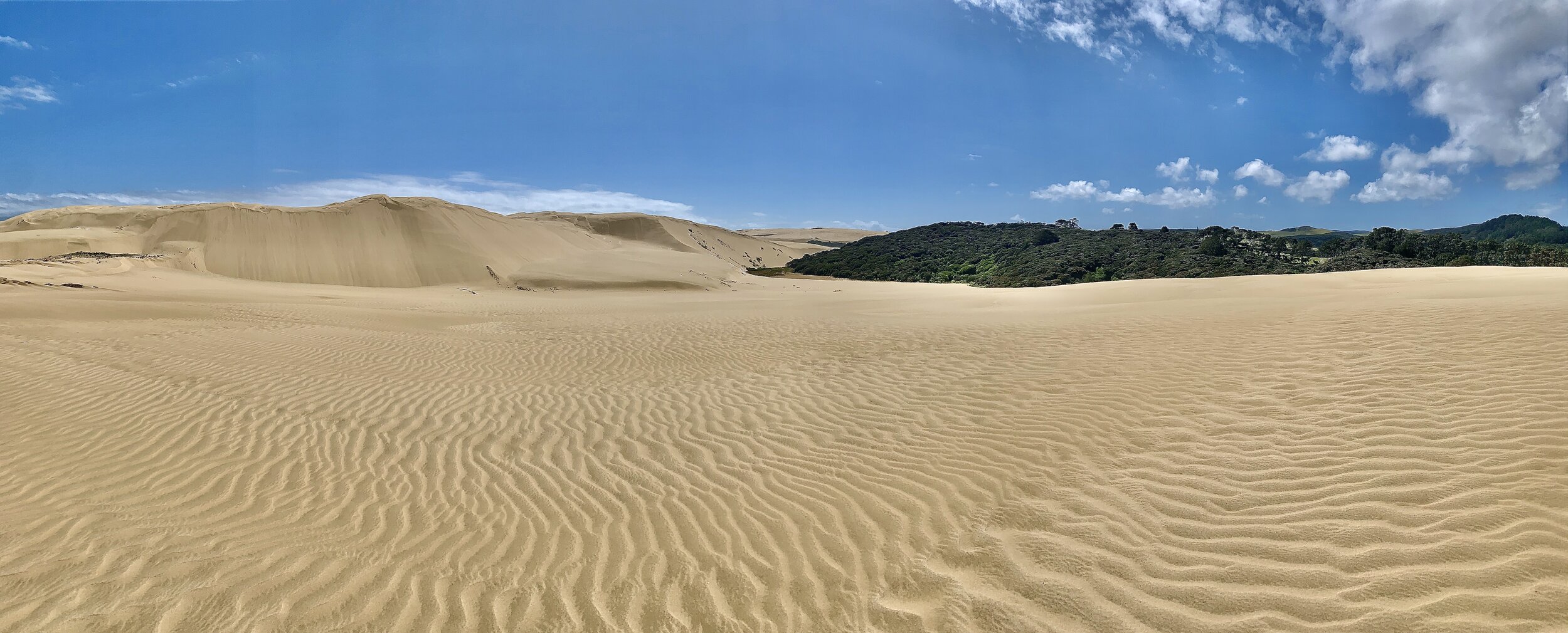
A short drive away are the equally stunning Te Paki giant sand dunes. You’d not be remiss to think you could be somewhere in the middle east, and yet all of these incredibly varied landscapes are in just one part of one small country. Bring a board to coast down the dunes, or simply enjoy getting lost in the alien landscape. 

Te Paki sand dunes

Te Paki sand dunes

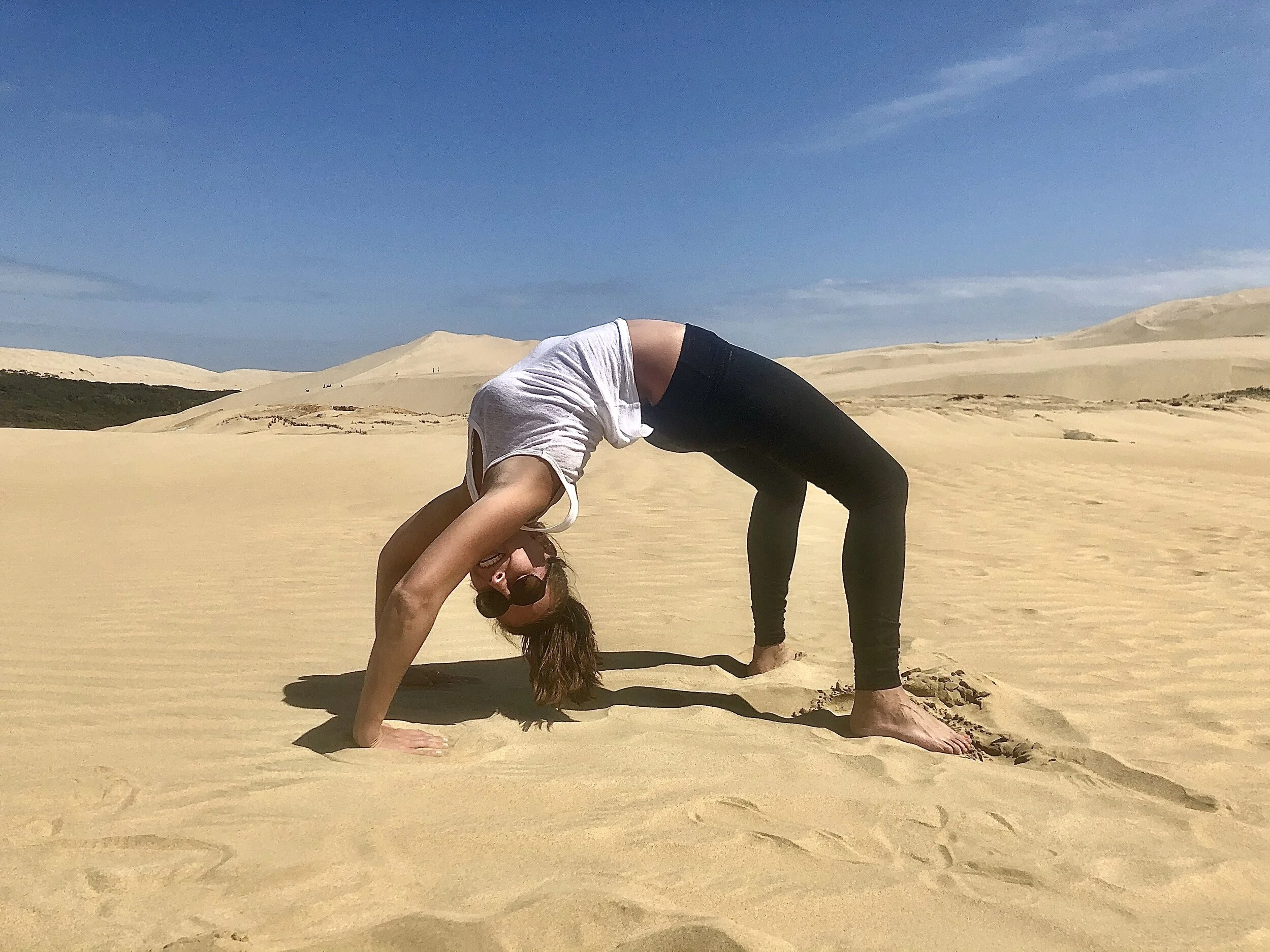
Fun in the dunes

Fun in the dunes

Should you be craving a swim after the dryness of the dunes, head to nearby white sand Rarawa beach. If you’ve got a 4x4, you can actually drive onto the beach if you’d like. Kitesurfing is possible here as well if the conditions are right. We also checked out the much windier 90 mile beach (it truly does stretch as far as the eye can see in either direction) on the windward side of the peninsula, where tides can change quickly and more than a few cars have gotten stuck. 

Rarawa beach

Rarawa beach

Kauri tree, Puketi Forest

Kauri tree, Puketi Forest

Our next stop was another farmstay Airbnb further south in Ruawai. En route, we stopped at the Mangonui fish shop for some fish & chips, followed by the Puketi Forest for a short loop hike through a large grove of the currently endangered kauri trees, a species endemic to New Zealand. These large behemoths are reminiscent of California redwoods, but are currently being killed off by an incurable pathogen that can be spread in a single pinhead of soil (typically due to human activity). Signs and spray canisters at the start of trails instruct you to wash and disinfect the soles of your shoes to help prevent spreading the disease. 

The road from Puketi to Ruawai was one of the curviest and emptiest of the trip, and a true pleasure to drive along. Upon reaching Pete & Sara’s farmstay, we were met by Pete, who promptly took us on a short hike to Tokatoka peak to enjoy the vista over the surrounding plains together with his dalmatian, Bella. A former dairy farmer, Pete’s boundless energy and enthusiasm for hosting visitors from around the world was infectious. He introduced us to the alpacas, sheep and donkeys on his farm and showed us how to feed them, and after a home-cooked dinner, we wheeled out his large telescopic to look at the clear night sky largely free of noise pollution. I woke up at 6am to join him at a neighbouring dairy farm where I learned about the process and even milked a couple of cows. Northland is truly New Zealand at its best. 

Waikato & Bay of Plenty

From the rolling hills of Northland, we headed east to the Coromandel peninsula, known among Kiwis for its spectacular beaches and stunning cliffside walks. The drive there along the Firth of Thames is a stunning one and worth the slight detour from the main highway road. Stripes of aqua, turquoise and deep blue merge into each other, and a stroll through Waitawa Regional Park can be a great place to stretch your legs. 

New Chums beach, reachable via a short hike

New Chums beach, reachable via a short hike

Coromandel itself is a cute seaside town and a nice spot for a stroll. I picked up some local cheeses and snacks at The Coromandel Smoking Co, and Umu Cafe serves up tasty breakfasts. We unfortunately didn’t have enough time to head up to Fletcher Bay and the Coromandel Coastal Walkway, but it is supposed to be a spectacular day hike. We did do a short walk along the coastline to reach New Chums Beach, which was perhaps one of the prettiest beaches of the trip (it is frequently voted one of New Zealand’s most beautiful beaches). From there, we stopped off for a daily dose of oysters at Salt Restaurant in Whitianga and enjoyed lazing on Hahei beach as afternoon turned to twilight and the sun disappeared behind us. 

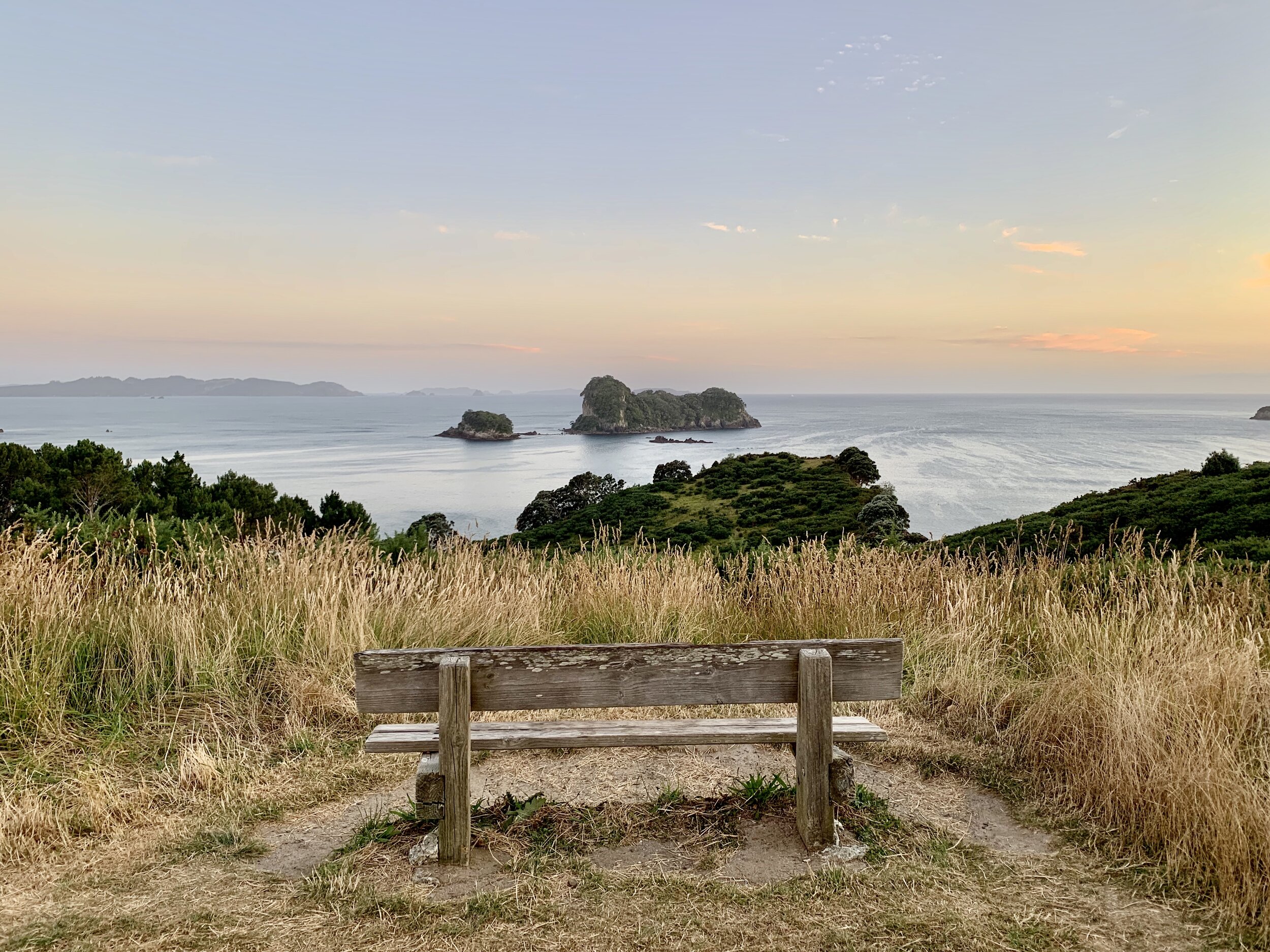
Bench with a view near Cathedral Cove

Bench with a view near Cathedral Cove

Cathedral Cove

Cathedral Cove

Tree groves at Cathedral Cove

Tree groves at Cathedral Cove

The following morning, I woke up before sunrise to walk to Cathedral Cove before the crowds. It was well worth it, as there were just a few others there, and the lighting was spectacular for photography. Incredibly crowded and hence skippable, however, was Hot Water Beach. There are a number of other spots where you can enjoy the thermal heat without the crowds (more on that later). Breakfast at Flatwhite in Waihi features a great view over the ocean and delicious food, and we were lucky enough to be in town for the weekly farmer’s market, where we purchased some eggs and avocados for the coming days. 

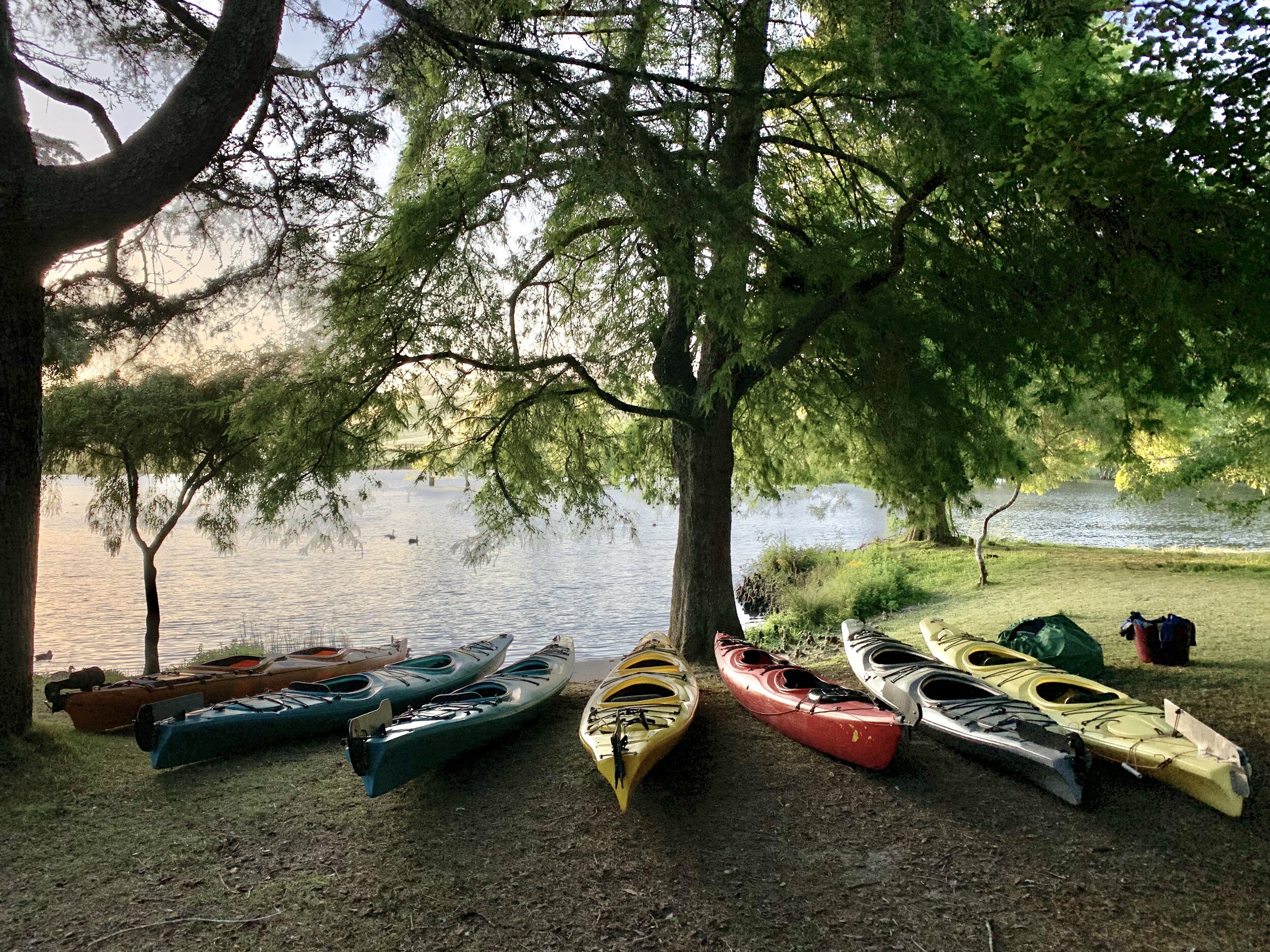
Also well worth a stop is the Leveret Estate winery, which features award-winning and reasonably priced wines as well as very kind and patient salespeople. From there, we checked into our Airbnb in Tauranga (with a hot tub!), where we were welcomed by the very kind Pete and Karen and nice views over the surrounding area. We headed to Waimarino Adventure Park for an evening kayaking trip to McLaren Falls Park, complete with more glowworms. We set out in small groups of kayakers as the last rays of the day illuminated the lake and its numerous black swans and headed upstream to a few channels where glowworms illuminate the surrounding rocks. It was truly a magical evening. 

Kayaking in McLaren Falls park

Kayaking in McLaren Falls park

Sunset at Mt Maunganui beach

Sunset at Mt Maunganui beach

The following morning, I set out early to complete the Tarawera Trail, a 15k one-way hike along Lake Tarawera to Hot Water Beach, which, as the name implies, is a thermally heated beach on the lake where you can dig your own hot water pools or simply swim in heated areas of the lake by the shore. You book a water taxi to take you back from here to where you parked your car. The hike will take you through lakeside bushland and varied tree groves, featuring a number of intermittent climbs. The swim at the end of the hike is a relaxing reward, though be sure to book your water taxi in advance, as it runs only if it’s been booked.  

Tarawera trail

Tarawera trail

Hot Water beach, Lake Tarawera

Hot Water beach, Lake Tarawera

The following morning was New Year’s Eve, and in an effort to show off some dewy skin, we booked a mudbath and sulphur bath at the aptly named Hell’s Gate. A walk through the area takes you through various bubbling pools and beautiful colours from the bacteria that survive in this extreme temperatures before you settle into the mudbath. An attendant will explain the best way to apply the mud, and after 20 minutes, you are whisked off to the sulphur pools (bring an old bathing suit, as you will likely never be able to wash out the smell) to allow your skin to further soften. 

Waimangu Volcanic Valley

Waimangu Volcanic Valley

Afterwards, I hiked through the nearby Waimangu Volcanic Valley, which features numerous spectacularly coloured pools and streams due to the underlying thermal activity in the area. In the evening, we enjoyed the small fireworks show over Lake Taupo and lingered on the beach, parts of which are also thermally heated. It was a fitting end to a spectacular decade.

Kayaking on Lake Taupo

Kayaking on Lake Taupo

Mine Bay Maori rock carvings, Lake Taupo

Mine Bay Maori rock carvings, Lake Taupo

I started off the New Year the following morning with a 5k kayak (each way) from Acacia Bay (hire your own kayak or join a tour) to the Maori rock carvings at Mine Bay. Kayaking will take about 75 minutes each way, so it’s not a bad idea to bring along a friend to make it a bit easier on the arms. The rock carvings are quite large and intricate, and the views of snow-capped Mt Tongariro, Mt Ruapehu and Mt Ngauruhoe in the distance over Lake Taupo make the trip even more spectacular. 

Red Crater, Tongariro Alpine Crossing

Red Crater, Tongariro Alpine Crossing

Emerald Lakes, Tongariro Alpine Crossing

Emerald Lakes, Tongariro Alpine Crossing

Tongariro Alpine Crossing

Tongariro Alpine Crossing

Of course, one of the most popular activities in the area is the 20k Tongariro Alpine Crossing hike. Last time I visited New Zealand, strong winds prevented me from doing the hike, but this time the weather was on my side. I booked a one-way shuttle from the Ketetahi car park to the start of the trail with Tongariro Expeditions and found myself starting the hike just after 6am as the golden orb of the sun rose into a hazy morning. The landscape varies from light brush and volcanic rock to something best described as lunar to thick forest, and temperatures vary accordingly; I was grateful for my gloves and windproof jacket at the start of the hike, but I’d shed most of my layers about halfway through. The climax, with the aptly named and spectacularly hued Red Crater coming into view, occurs about halfway through the hike. Soon after, the three bright Emerald lakes steal the show, followed by a steep scramble that leads into the seemingly never-ending descent. 

Mountain biking is also on offer in the area, and we checked out some of the trails that form the Craters of the Moon geothermal area as well as past Huka Falls and up the Waikato River. You can rent bikes from FourB, and take a dip in the Warm Water Lake area of Lake Taupo for a soothing reward afterwards. I very much enjoyed the seafood at the Edgewater Restaurant with views overlooking the sunset on the lake in the evening, and the lamb and scallop risotto at Vine Eatery were one of my favourite meals of the trip. 

Sunset, Lake Taupo

Sunset, Lake Taupo

Abseiling into the Lost World cave, Waitomo

Abseiling into the Lost World cave, Waitomo

On our last day in New Zealand, we did the Lost World tour with Waitomo Adventures, during which you abseil about 100 metres down into a wet cave system and something that truly does look like a long-forgotten world. I was happy to have selected the 4-hour rather than the full day tour: half a day gives a nice highlight of the experience and does not require wearing a wetsuit and getting completely wet. There are glowworms here, too, and the cave features beautiful vistas looking back through the natural window at the entrance. Keep in mind that what goes down into a cave must come up, and there’s a ladder with over 100 rungs that you’ll have to climb at the end to get out. 

Afterwards, we enjoyed cups of locally grown tea and some light snacks at the Zealong Tea Estate en route back to Auckland, where we feasted on cloudy bay clams in a coriander sauce along with fresh oysters at Depot, and lingered over creative cocktail creations at John & May’s. We had a great night’s sleep at our Airbnb in Auckland, which featured amazing views of the city, a hot tub, and yes, a trampoline. The following day, the sky had turned an unearthly yellow hue due to the Australian wildfires. It was a stark reminder that despite being endowed with all the beauty in the world, New Zealand is still affected by human (in)action, and what we do directly affects the world around us.

Auckland Airbnb with a view

Auckland Airbnb with a view

Where to eat & drink

Shucker Brothers, Auckland

Auckland Fish Market, Auckland

Giraffe, Auckland

Depot, Auckland

John & May’s, Auckland

Solar Eating House, Waiheke Island

Man O’ War vineyards, Waiheke Island

Poderi Crisci, Waiheke Island

Three Seven Two, Waiheke Island

Casita Miro, Waiheke Island

Tantalus, Waiheke Island

Stonyridge, Waiheke Island

Cable Bay Vineyards, Waiheke Island

Kaiwaka Cheese shop, Kaiwaka, Northland

Mangonui Fish Shop, Mangonui, Northland

The Coromandel Smoking Co, Coromandel, Waikato

Umu Cafe, Coromandel, Waikato

Salt Restaurant, Whitianga, Waikato

Zealong Tea Estate, near Hamilton, Waikato

Edgewater Restaurant, Taupo, Waikato

Vine Eatery, Taupo, Waikato

Flatwhite, Waihi, Bay of Plenty

Leveret Estate winery, Katikati, Bay of Plenty

Find local businesses, view maps and get driving directions in Google Maps.

Map of the approximate route driven (roughly 2,800km in total)

In Ian Fleming's footsteps

Perhaps best known as the creator of James Bond, Ian Fleming was an enigmatic character himself. Stationed on Jamaica during a stint in Britain’s naval intelligence service, Fleming fell in love with the island and vowed to return. He bought a plot of land on the island’s north coast, in the town of Oracabessa, where he built the villa that would be the birthplace of the fiction world’s most notorious spy. Today, the villa and a few dozen one-bedroom cottages form the Goldeneye resort (named after Fleming’s original mission). 

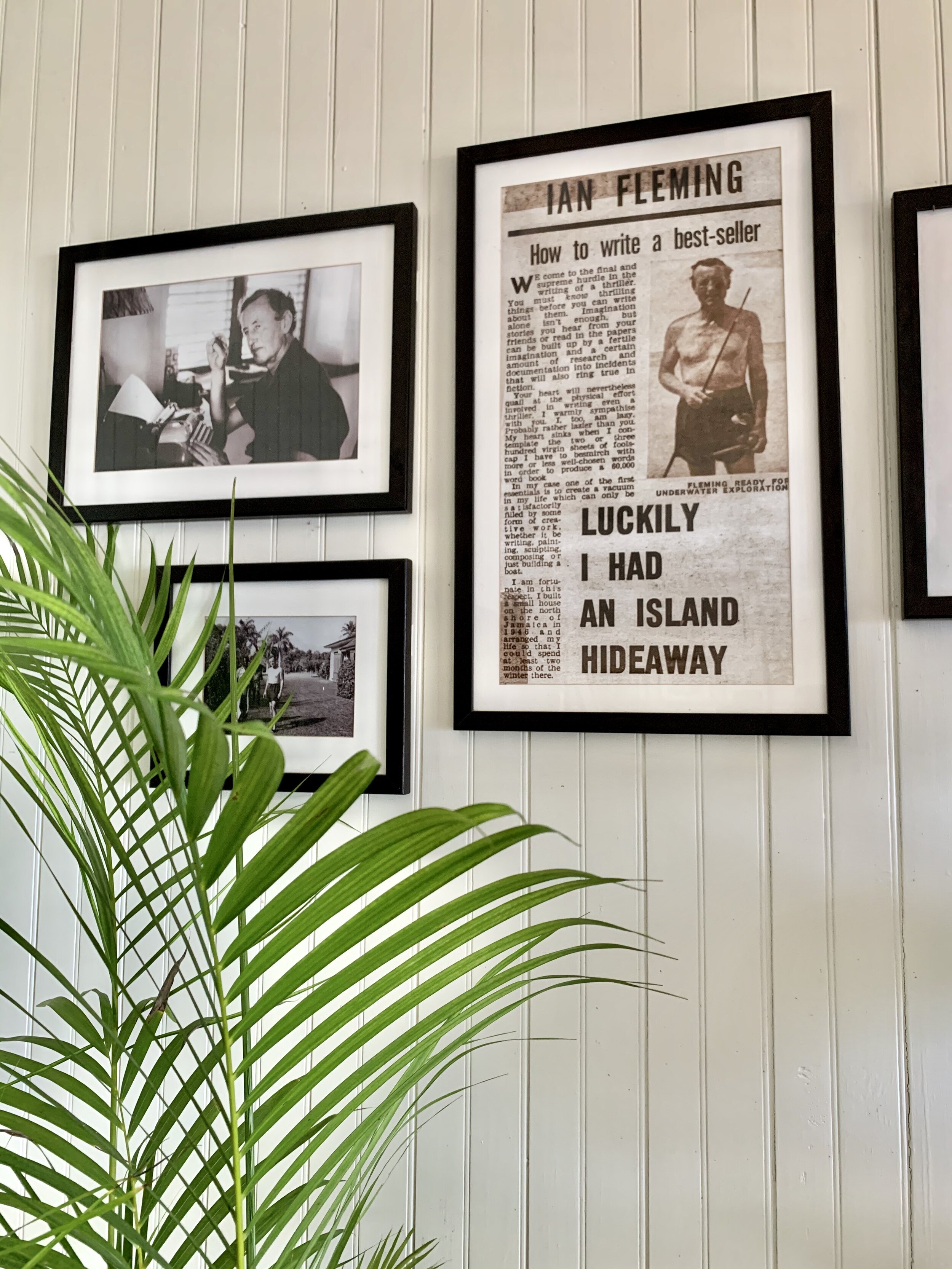
Ian Fleming at Goldeneye

Ian Fleming at Goldeneye

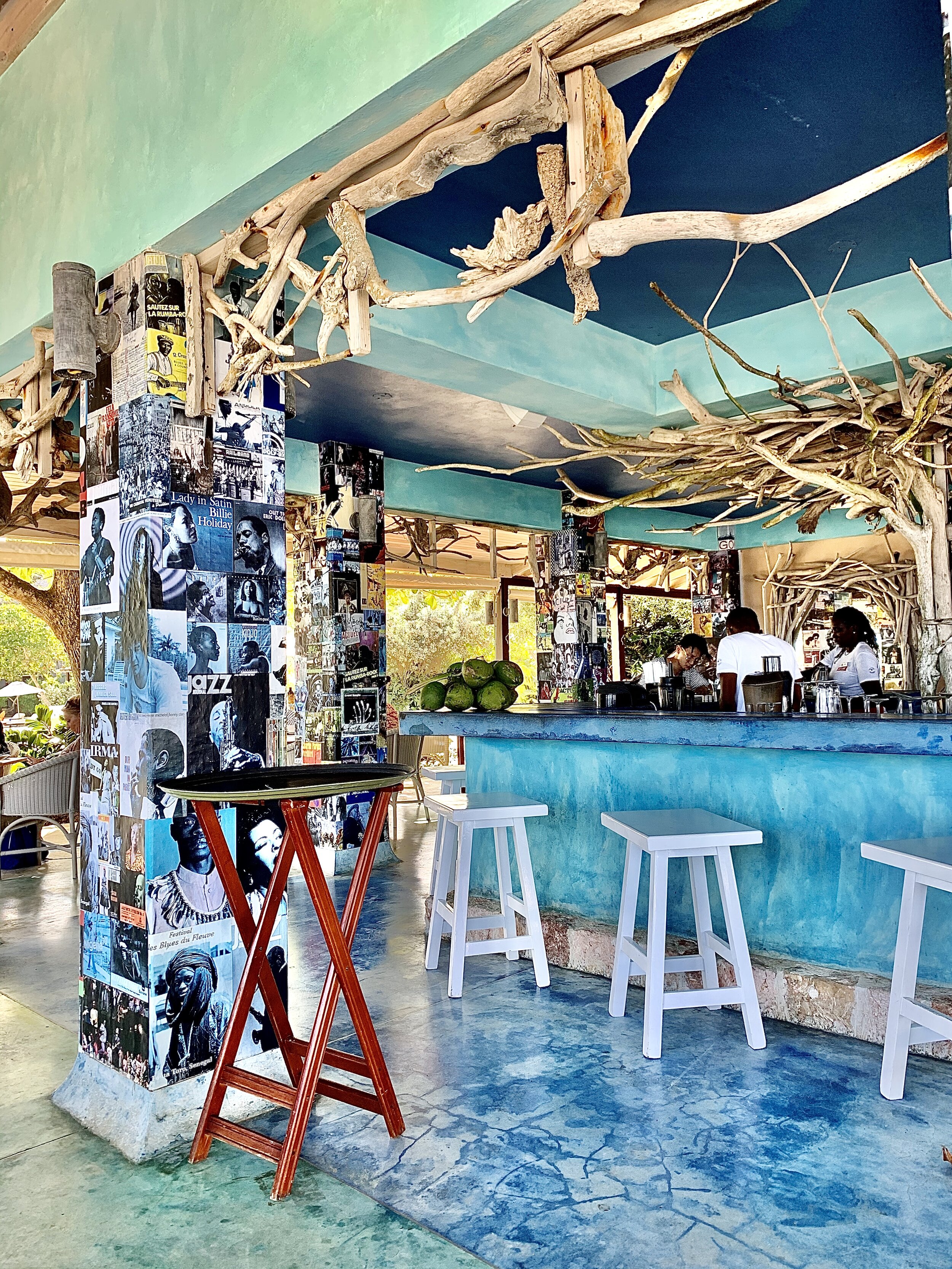
Welcome drinks at Goldeneye

Welcome drinks at Goldeneye

We were greeted with a frozen rum & pineapple welcome drink at the resort’s bar, overlooking the rather wild and rocky coast. Our cottage was well-located between two of the resort’s beaches in the midst of tropical plants and singing birds, and there was a complimentary bottle of rum from Chris Blackwell, the current owner of Goldeneye and the founder of Island Records, which was instrumental in the commercial success of reggae music worldwide. On our first evening, the resort organised a happy hour with several complimentary rum-based cocktails that put everyone in the best of spirits. 

Each morning, following 17F’s (Ian Fleming’s code name) favourite breakfast of scrambled eggs on toast accompanied by reggae music, we walked along the beach to the eponymous saltwater Goldeneye pool, open to the Caribbean splashing on the rocks and into the pool. Shaped as an eye, this quickly became my favourite spot, and I whiled away hours alternating between reading and gazing at the sea. 

The Goldeneye pool

The Goldeneye pool

Breakfast reggae at Goldeneye

Breakfast reggae at Goldeneye

Kayaking and stand up paddleboarding are offered free of charge, and we took out a kayak to the nearby James Bond beach, where Dr. No with Sean Connery was filmed in 1962. The beach was full of locals barbecuing, teens posing for selfies, and children splashing in the shallows, and we felt right at home. We decided to forego the beach barbecue back at Goldeneye in favour of some local fare, so we drove into town. Chris’s in Oracabessa had just the ticket on the menu: fried chicken, which we enjoyed back on the beach while listening to the roar of the crashing waves.

Kayaking near Goldeneye, Oracabessa

Kayaking near Goldeneye, Oracabessa

Local posing for photos at James Bond beach

Local posing for photos at James Bond beach

We also spent a couple of nights by the beach in Negril, in Jamaica’s western end, for comparison. The beach there is long, and unlike Jamaica’s north coast, there are no rocks or reefs as you enter the water, making for easy swimming well suited to families or young children. We picked up a Jamaican rum cake at the local supermarket and watched as the sun dipped into the water. Our best meal of the trip was to come later that evening at The Lodge restaurant at Tensing Pen, where we tried the Jamaican specialties of ackee (poisonous if not properly prepared!—quite the adventurous national dish) and jerk chicken, as well as crusted snapper. All were excellently prepared, but the snapper was the standout, gently cooked so that flakes peeled off as soon as it was touched. 

Driving from Kingston to Negril

Driving from Kingston to Negril

Sunset, moon and planets from Rick’s Cafe, Negril

Sunset, moon and planets from Rick’s Cafe, Negril

Another spot well worth a visit is Rick’s Cafe, further south along the coast. Go in the afternoon to test your appetite for risk at jumping points of different heights along the cliff, from which you plunge into the warm sea below. Perhaps you will be lucky enough to see resident ninja Spider, who regaled us with jumps from the highest platform that would not have been out of place at the Olympics. The place was packed on a late November afternoon, with a live band playing reggae classics and sungoers downing Rick’s punches as the sun went down. We stayed and danced until evening settled, and the cafe emptied out until the next day, when the same spectacle would repeat. 

The view from Strawberry Hill

The view from Strawberry Hill

Unfortunately, many of Jamaica’s other natural wonders, such as YS Falls and Dunn’s Falls, are hidden behind $25 USD admission fees. That price begs a several hours-long commitment, so if you’re like me, and hoping to arrive early or late to avoid the crowds, you’re out of luck. Instead, en route back to Kingston to catch our flight, we stopped at the Strawberry Hill Resort to enjoy the spectacular views over a drink. The climate is notably cooler, and the rain-fed vegetation even more lush. Be warned that the road from Kingston is a narrow and curvy one (ignore Google Maps’ impassable recommended shortcut route and ensure you stay on the main road), made worse by the form of driving practiced in the country. It’s a free for all: cars drive at full speed in the middle of the road, and often it’s left up to you to get out of the way. At night, the majority of drivers leave their long beams on the entire time, blinding each other in a crazy game of chicken. 

Perhaps, behind the wheel of James Bond’s Aston Martin DB5 from the film Goldeneye, I would not have minded in the least. 

Sunset from Strawberry Hill

Sunset from Strawberry Hill