Top

Yemen

Top 7 Most Beautiful Islands in the World

Islands have an irresistible pull, and I visit and write about them often (and even live on one). Our planet has hundreds of thousands of islands; below are a few favourites that I’ve encountered in my travels. 

7. Sardinia, Italy 

Sardinia has it all: dramatic cliffs plunging into turquoise coves, ancient history etched into the land, and a fiercely proud culture reflected in dishes found nowhere else in Italy. However long you stay on your first trip, it won’t be enough: you’ll already be planning your return before you leave. The island’s past, shaped by Phoenicians, Romans, and Spaniards, lend it a depth and diversity that makes every town feel unique. 
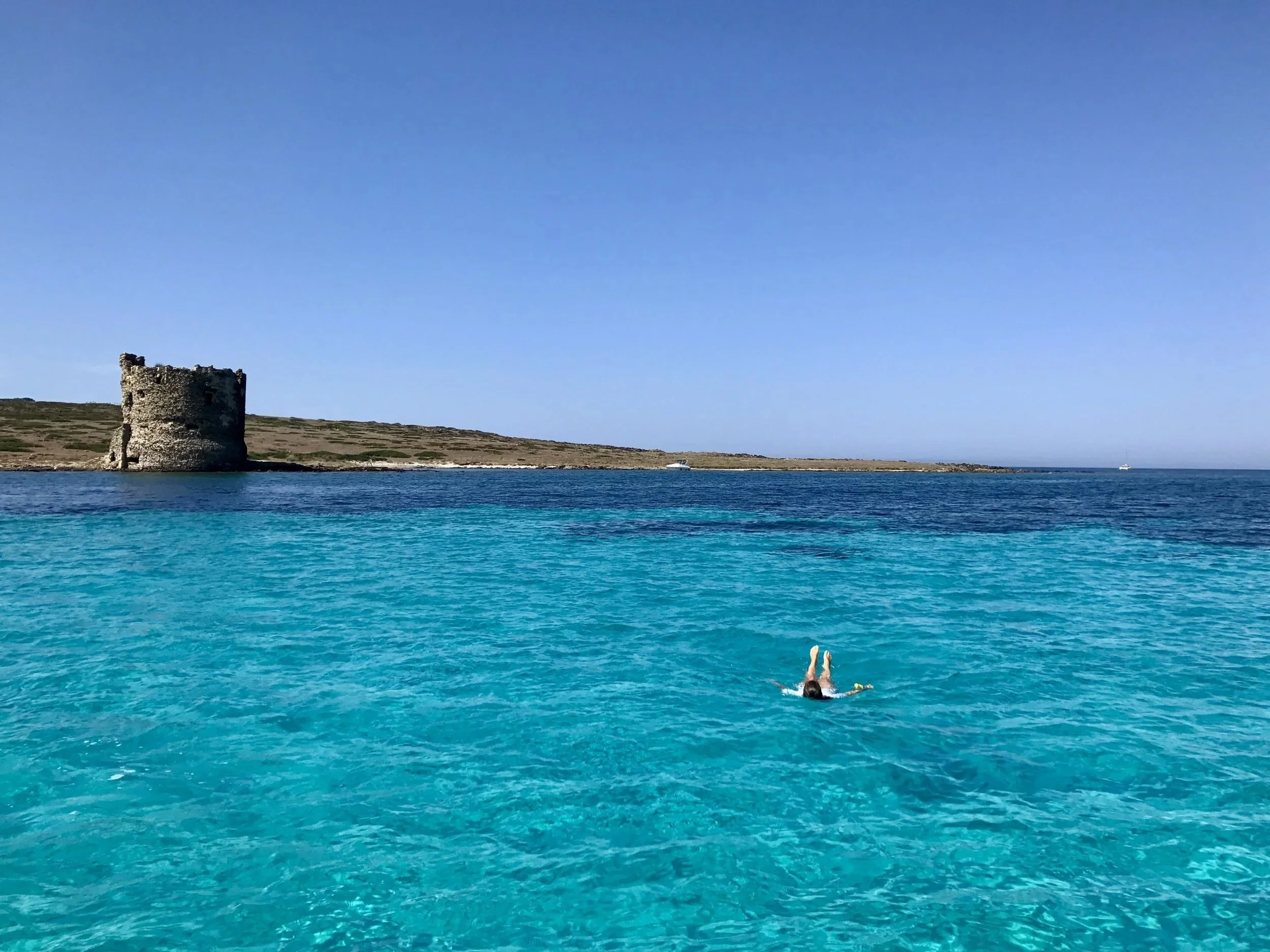
Floating off the coast of Sardinia, Italy

Read more about Sardinia here. And if you like Sardinia, you’ll also enjoy Cape Verde and St Lucia.

6. Isabela, Galapagos, Ecuador

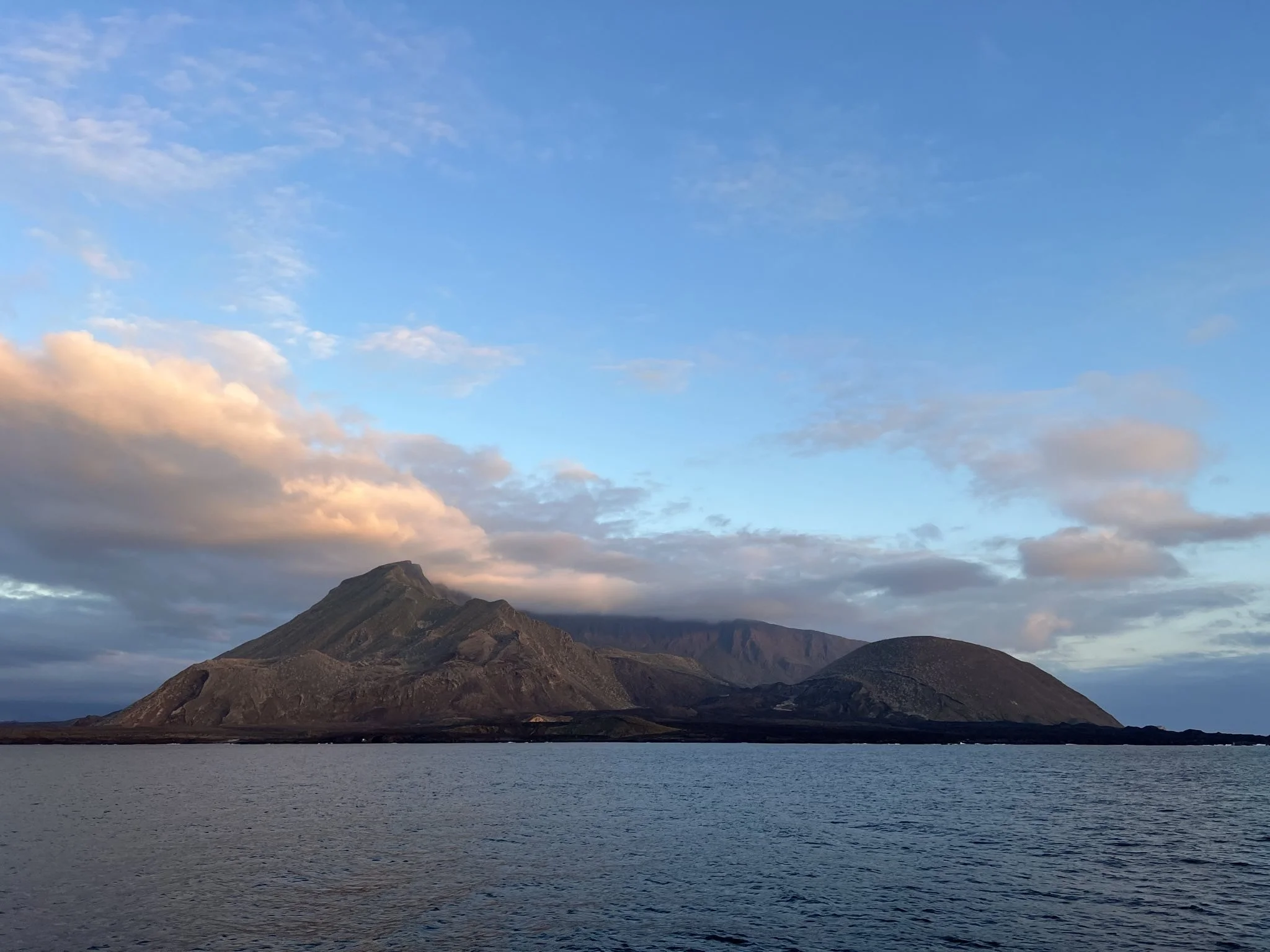
Choosing just one Galapagos island feels unfair, but Isabela–the largest of the archipelago–captures the raw magic of the isles. Isabela is the only place on Earth where you can dive alongside marine iguanas, penguins, and sea lions at the same time. Thanks to its long-standing protected status, the wildlife here is unafraid and curious. It remains one of the most untouched and otherworldly places I’ve ever visited.
Isabela island Galapagos

Off the coast of Isabela, Galapagos, Ecuador

If you like Isabela, you’ll also enjoy South Georgia and Easter Island.

5. Faroe Islands

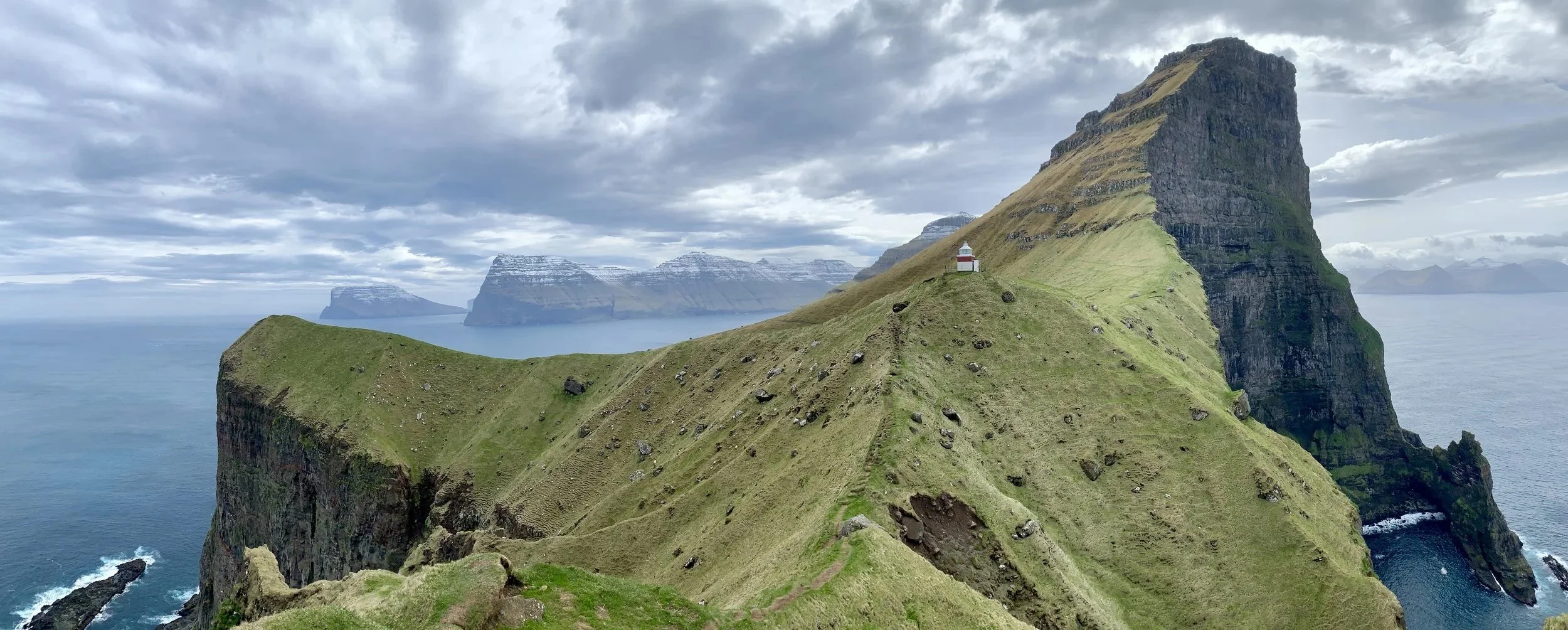
The Faroe Islands took me by surprise, charming me with their wild and unfiltered natural beauty, largely uninterrupted by humans. Puffins, gannets, and fulmars crowd cliff edges, waterfalls plunge straight into the ocean, and emerald-hued mountains shift constantly with whatever the ocean winds bring. Visit between May and October, when daylight stretches past midnight. Bring your hiking boots, and don’t miss booking a heimablidni (a home-cooked meal at a local’s house) for an authentic window into the Faroese culture and sustainable way of life. 
Faroe Islands Kalsoy hiking

Hiking in the Faroe Islands

Read more about the Faroe Islands here. And if you like the Faroes, you’ll also enjoy Greenland and the Shetlands.

4. North and South Islands, New Zealand

I couldn’t choose just one of New Zealand’s islands–the country is spectacular from end to end. The North Island offers geothermal landscapes, glowworm caves lit like starfields, and rich Māori culture. The South Island brings soaring peaks, glaciers, and some of the best hikes in the world. Fresh salmon, lamb, and wine top off the experience. On many trails, you are unlikely to encounter more than a handful of other people, an increasing rarity in today’s world. Needless to say, I dream of returning. 

South Island, New Zealand

Read more about New Zealand here and here. And if you like New Zealand, you’ll also enjoy the Faroe Islands and Niue

3. South Georgia

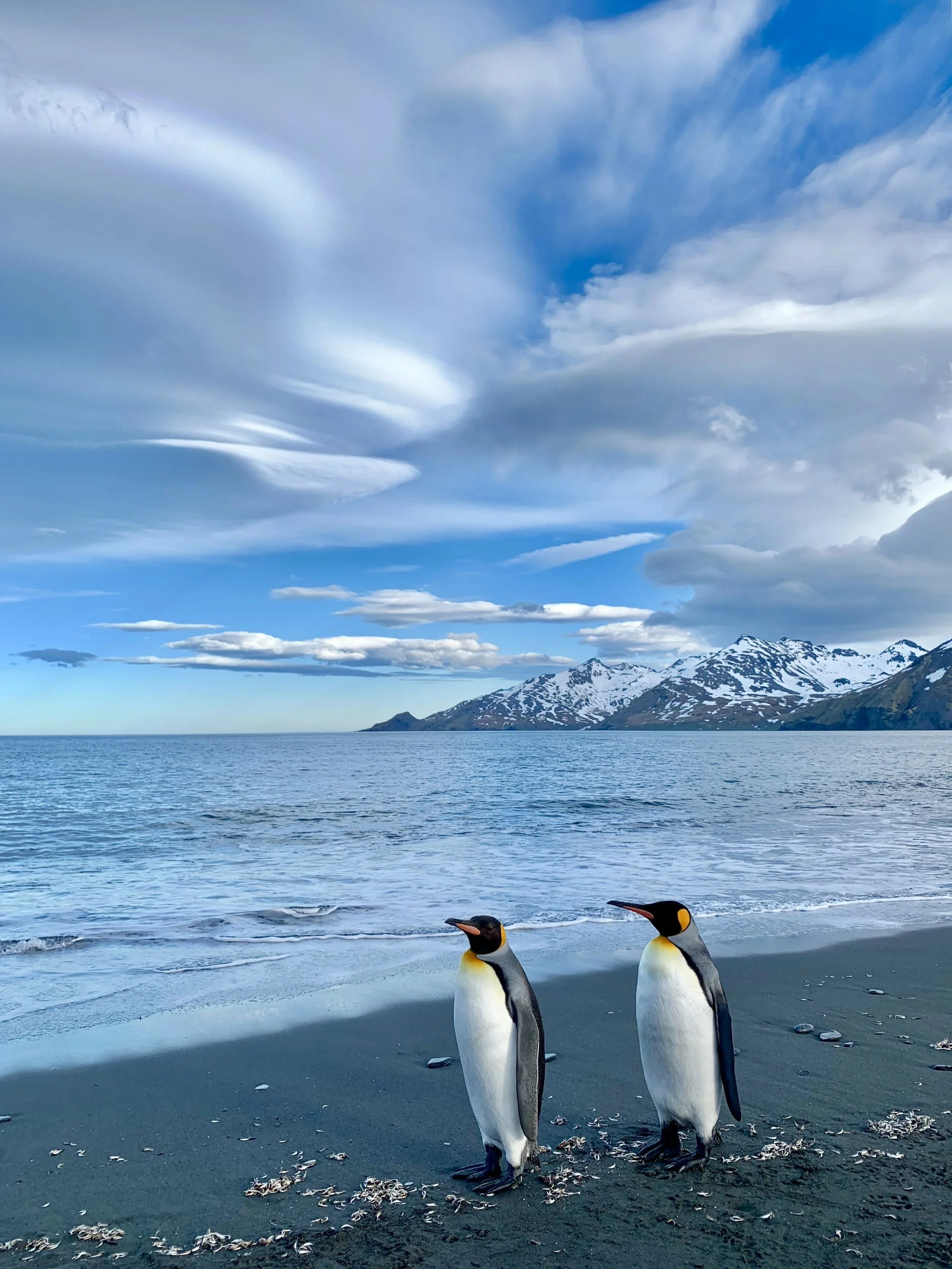
South Georgia is one of the wildest places on the planet. Apart from a few seasonal researchers, the island is uninhabited by humans and dominated by wildlife. South Georgia is home to the world’s largest king penguin colony (as well as chinstrap, macaroni, and gentoo penguins) along with massive populations of elephant seals, fur seals, and albatross. The island’s history is equally dramatic: this is where Ernest Shackleton landed after his crew’s legendary survival journey across the Weddell Sea off Antarctica. Stepping onto the island feels like stepping into a nature documentary–sure to hear David Attenborough’s voice at any moment.
South Georgia penguins lenticular clouds

A couple of king penguins taking a stroll on South Georgia

Read more about South Georgia here. And if you like South Georgia, you’ll also enjoy the Falklands and Greenland.


2. Aldabra, Seychelles 

Aldabra is so pristine that only a handful of researchers live here year-round. It’s one of the few places on Earth where giant tortoises roam freely in astonishing numbers. Coconut crabs scuttle across the forest floor, and the lagoon hosts a thriving underwater world almost untouched by humans. Endless white-sand flats stretch into shallow turquoise water as far as you can see. If there’s a heaven on Earth, Aldabra is close.
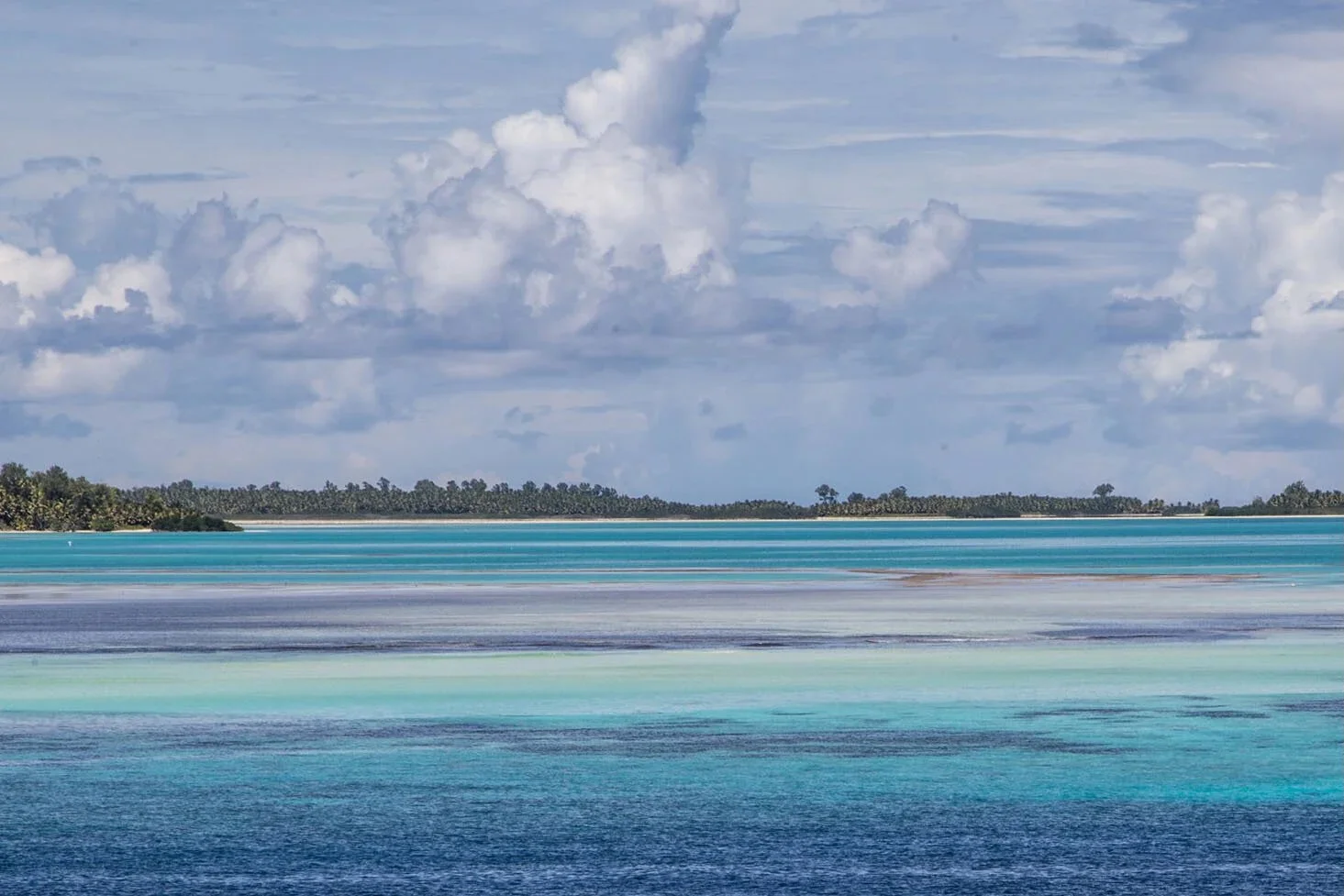
Seychelles Aldabra island

Endless hues of blue off Aldabra, Seychelles

Like South Georgia, Aldabra is uninhabited by humans with the exception of a few researchers from the Seychelles Island Foundation, formed to protect the local habitat. It is one of the only places in the world where you will encounter the giant tortoise, wandering alongside colourful coconut crabs and an underwater world teaming with life, largely unbothered by human interference. Impossibly long stretches of white sand disappear into aqua-hued shallow waters stretching into the horizon. If there is a heaven on Earth, this is it.  

If you like Aldabra, you’ll also enjoy Millenium Atoll (Kiribati) and Socotra (Yemen).


1. Ikaria, Greece

Named after Icarus, who flew too close to the sun, Ikaria is rugged, mystical, and fiercely independent. I first came to study Greek at the island’s cultural center, then returned again and again to explore its mountain trails, thermal springs, secluded beaches, and villages where time seems to run slower. Its famous honey, wine, and olive oil are some of the best in Greece. At just 99 square miles (255 km²), Ikaria feels both intimate and endlessly explorable.

Ikaria, named after Icarus, who flew too close to the sun, is wild, rugged, fiercely self-sufficient, and breathtakingly beautiful. I’ve travelled there more times than I can count, first to study Greek at the Ikarian Cultural Center, and later to explore more of the island’s diverse topography - stunning mountain hikes, hot sulfur pools, and sandy beaches - all backed by rich local products, from olive oil to honey to wine. Ikaria is just 99 square miles (roughly 255km), and yet each time I visit, I discover even more to explore. 
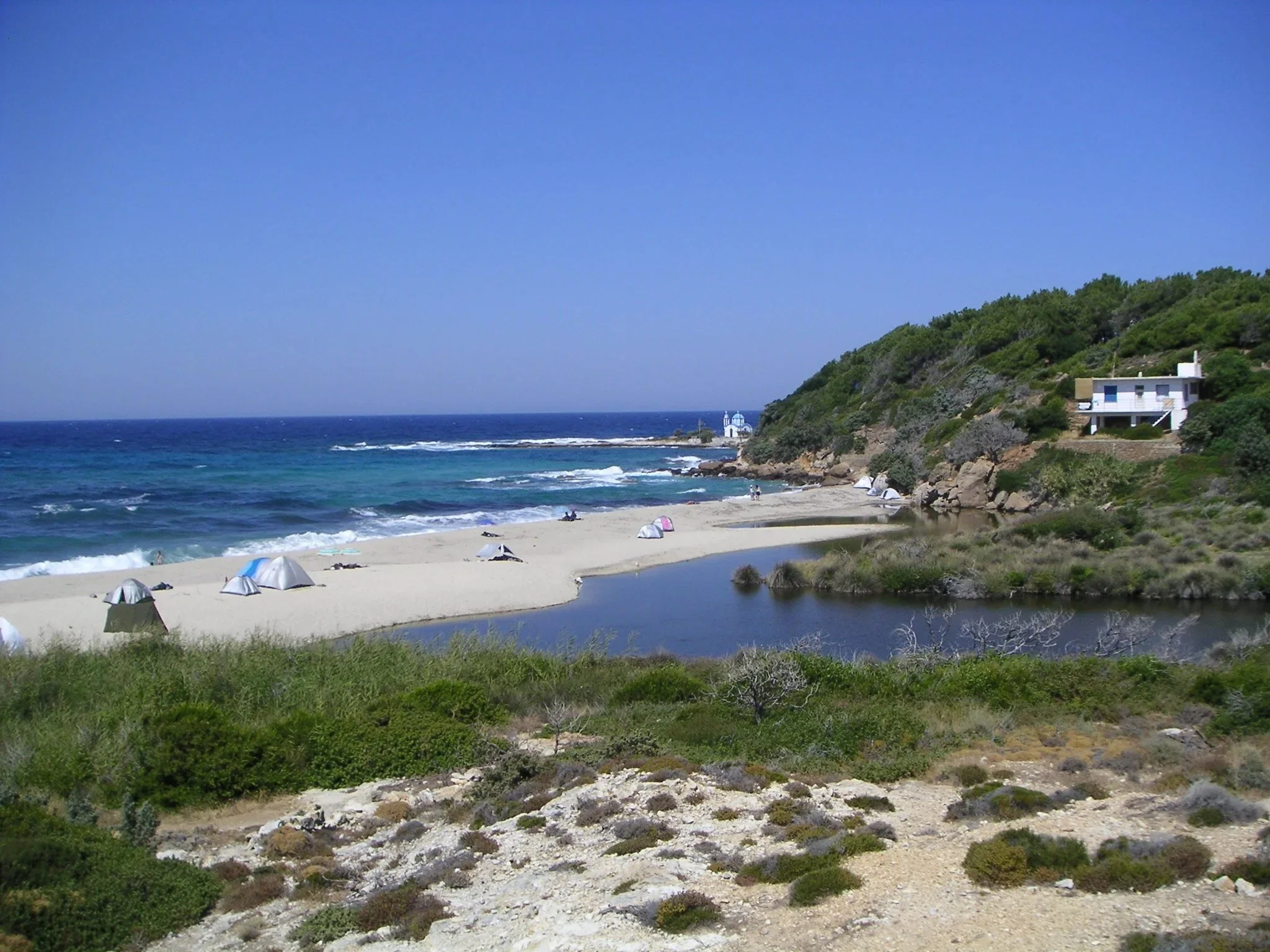
Greece Ikaria island beach

If you like Ikaria, you’ll also enjoy Sardinia and Miyakojima.

For more inspiration, check out my previous post on the Top 7 Beaches in the World.

Uncharted territories: outer islands of the Socotra archipelago

On my last visit to Socotra two years ago, our guide casually mentioned one evening by our campfire that he wanted to organise a scuba diving trip to the outer islands of the archipelago: Abd al Kuri, Samhah and Darsah. The islands are largely uninhabited, save for a few dozen fishermen and their families. More excitingly, no recreational divers had ever been diving off these islands: they were essentially virgin diving territory, something that is next to impossible to find on our planet these days. Needless to say, I was in.

The prospect of being the first people to explore a small corner of the Earth had me excited for months prior to the expedition this spring. The diving off Socotra had been spectacular, with underwater fields of hard coral gardens exploding with color, shipwrecks slowly being taken over by the sea, and large schools of tropical fish unaccustomed to and unafraid of visitors to their depths. What would we find even further afield?

Socotra Qalansiyah port fishing boats

Fishing boats in the port of Qalansiyah, Socotra

The logistics of getting several divers, gear, tanks, a compressor to refill the tanks, a supply of food, and a vessel to transport it all to the outer islands turned out to be formidable. This is, after all, Yemen. Fortunately, our organiser, Piotr Pazola, speaks Arabic, has been to Socotra seven times, and knows what it takes to get things done. There is just one divemaster living on Socotra with a couple dozen tanks and a compressor, so we brought the rest of our gear. In recent years, the United Arab Emirates have been funding numerous development projects throughout Socotra, including a new military airport base on Abd al Kuri. As a result, after much back and forth over dinner and tea and more dinner and more tea, we received permission to travel to Samhah and Darsah aboard the dhow we had previously secured for the week.   

Yemen Socotra dhow ship

Our dhow near the port of Qalansiyah

We met the dhow at noon the following day in the port of Qalansiyah on the western end of Socotra, a few hours’ drive from the main settlement of Hadiboh. The captain, a half dozen or so male crew members, and three armed Yemeni soldiers helped load all of our supplies onto the dhow, and we set sail for Samhah. The dhow had an underbelly where everything was stored; a main level where we ate, lounged, and napped; and a small upper area that received much of the engine fumes and was as a result uninhabitable while the dhow was in motion. The “bathroom” was an open air semicircle, roughly waist height, attached to the outside of the main level with a hole in the middle. As there was no privacy on the dhow, we opted to camp on the islands at night.

Yemen Socotra dhow sunset

Sunset from the dhow, Samhah

Yemen dhow bathroom

The bathroom on the dhow

After about six hours, we reached Samhah just as dusk enveloped the island in darkness. We stopped at the main fishing village on the island to declare our arrival to the local sheikh, an ancient-looking man who extended to us every kindness during our stay (though he did try to barter for one of the other female travellers to remain on Samhah as his companion). We set up camp on a beautiful stretch of beach backed by semi-desert and immediately jumped in for a night swim to cool off. To our delight, the sea around us came alive in numerous shades of bright blue in a grand display of bioluminescence. We fell asleep lulled by the sound of the waves crashing just beyond our sleeping bags. 

Socotra Samhah island beach

The beach where we camped on the island of Samhah

Yemen Socotra Samhah children playing

Local children, Samhah

For the next few days, we explored Samhah and Darsah, diving three to four times a day from morning to night and enjoying meals of freshly caught fish on the beach in between. The diving did not disappoint: we saw turtles, rays, moray eels, barracuda, curious white-tipped reef sharks, nudibranchs galore, stonefish, scorpionfish, bubble algae, and more. On one dive, a pair of sand sharks chased each other round in circles; on another, an enormous school of glass fish ebbed and flowed around giant coral heads. In these moments, there is nothing else but the now as you breathe, take in your surroundings, and recognise how lucky you are to exist in this beautiful world.

Yemen Darsah beach cove

Coves on Darsah

Yemen Socotra scuba diving boat

Returning from a dive all smiles

We named one particularly beautiful site Polish Garden, as the first recreational divers to ever dive the site. We also dove the wreck of a giant bulk carrier that had run aground 10 years prior and was now distributed just below the surface at about 10m, encrusted with coral and giant clams as the sea slowly took it over. Schools of grunt hovered around the former bridge of the ship, and we moved to and fro with the waves as we approached the shallows of the wreck. In between dives, we enjoyed being the only humans for miles as we walked along deserted, postcard-perfect beaches, explored sea caves, and watched the sun set over the mountainous interiors of the islands. Our days finished with simply grilled fish as we watched a multitude of stars migrate overhead before falling asleep on the sand. 

Yemen dhow fishing

Lunch

Scuba diving shipwreck Yemen Samhah

Scuba diving a shipwreck off Samhah island

On our final day, as we motored away from Darsah, the clouds above the island briefly assumed the shape of a vintage tea kettle, with a genie billowing out from it in white wisps. Make a wish, the genie beckoned. Anything you want. 

I made my wish. A few minutes later, the cloud was back to a simple tea kettle, giving off a few puffs of steam.

Socotra Darsah beach deserted

A deserted beach on Darsah island