Top

St Lucia

Top 7 Most Beautiful Islands in the World

Islands have an irresistible pull, and I visit and write about them often (and even live on one). Our planet has hundreds of thousands of islands; below are a few favourites that I’ve encountered in my travels. 

7. Sardinia, Italy 

Sardinia has it all: dramatic cliffs plunging into turquoise coves, ancient history etched into the land, and a fiercely proud culture reflected in dishes found nowhere else in Italy. However long you stay on your first trip, it won’t be enough: you’ll already be planning your return before you leave. The island’s past, shaped by Phoenicians, Romans, and Spaniards, lend it a depth and diversity that makes every town feel unique. 
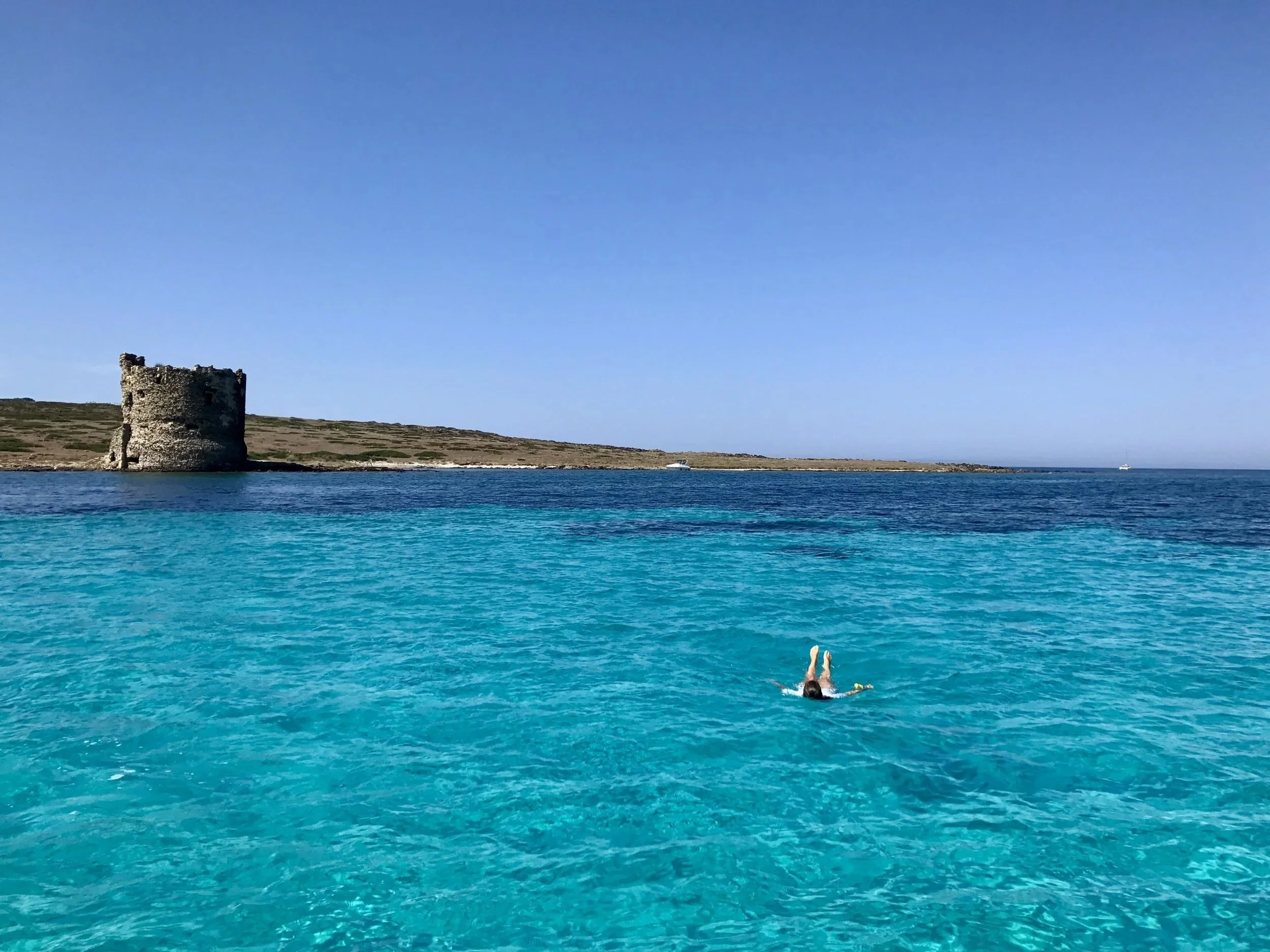
Floating off the coast of Sardinia, Italy

Read more about Sardinia here. And if you like Sardinia, you’ll also enjoy Cape Verde and St Lucia.

6. Isabela, Galapagos, Ecuador

Choosing just one Galapagos island feels unfair, but Isabela–the largest of the archipelago–captures the raw magic of the isles. Isabela is the only place on Earth where you can dive alongside marine iguanas, penguins, and sea lions at the same time. Thanks to its long-standing protected status, the wildlife here is unafraid and curious. It remains one of the most untouched and otherworldly places I’ve ever visited.
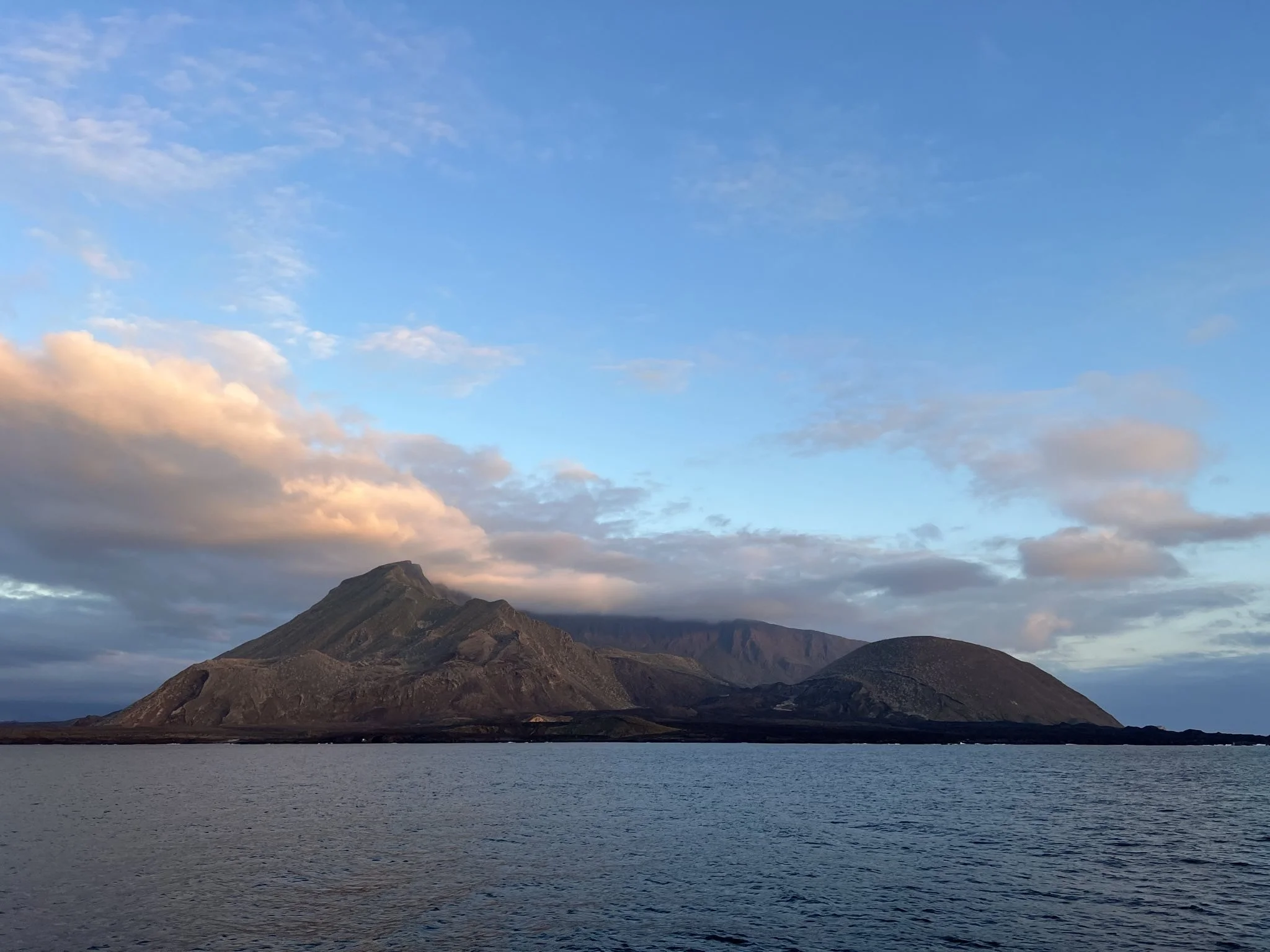
Isabela island Galapagos

Off the coast of Isabela, Galapagos, Ecuador

If you like Isabela, you’ll also enjoy South Georgia and Easter Island.

5. Faroe Islands

The Faroe Islands took me by surprise, charming me with their wild and unfiltered natural beauty, largely uninterrupted by humans. Puffins, gannets, and fulmars crowd cliff edges, waterfalls plunge straight into the ocean, and emerald-hued mountains shift constantly with whatever the ocean winds bring. Visit between May and October, when daylight stretches past midnight. Bring your hiking boots, and don’t miss booking a heimablidni (a home-cooked meal at a local’s house) for an authentic window into the Faroese culture and sustainable way of life. 
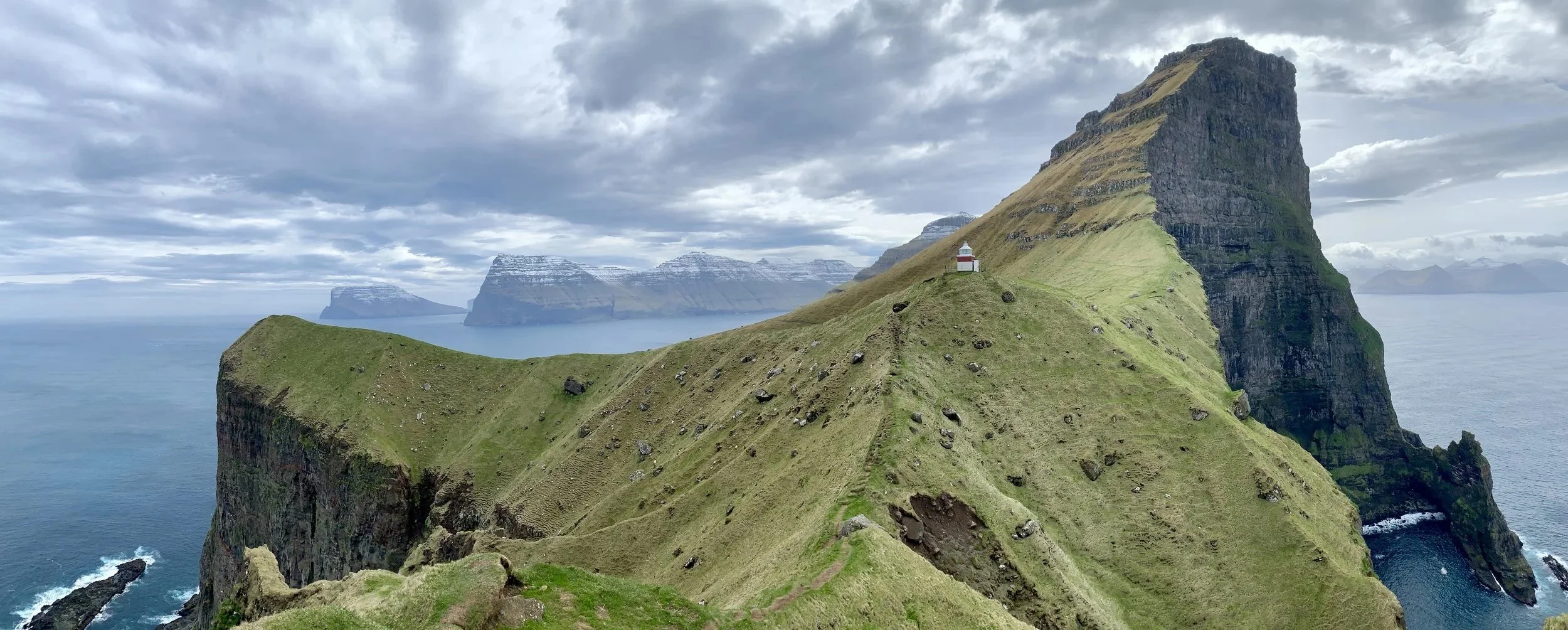
Faroe Islands Kalsoy hiking

Hiking in the Faroe Islands

Read more about the Faroe Islands here. And if you like the Faroes, you’ll also enjoy Greenland and the Shetlands.

4. North and South Islands, New Zealand

I couldn’t choose just one of New Zealand’s islands–the country is spectacular from end to end. The North Island offers geothermal landscapes, glowworm caves lit like starfields, and rich Māori culture. The South Island brings soaring peaks, glaciers, and some of the best hikes in the world. Fresh salmon, lamb, and wine top off the experience. On many trails, you are unlikely to encounter more than a handful of other people, an increasing rarity in today’s world. Needless to say, I dream of returning. 

South Island, New Zealand

Read more about New Zealand here and here. And if you like New Zealand, you’ll also enjoy the Faroe Islands and Niue

3. South Georgia

South Georgia is one of the wildest places on the planet. Apart from a few seasonal researchers, the island is uninhabited by humans and dominated by wildlife. South Georgia is home to the world’s largest king penguin colony (as well as chinstrap, macaroni, and gentoo penguins) along with massive populations of elephant seals, fur seals, and albatross. The island’s history is equally dramatic: this is where Ernest Shackleton landed after his crew’s legendary survival journey across the Weddell Sea off Antarctica. Stepping onto the island feels like stepping into a nature documentary–sure to hear David Attenborough’s voice at any moment.
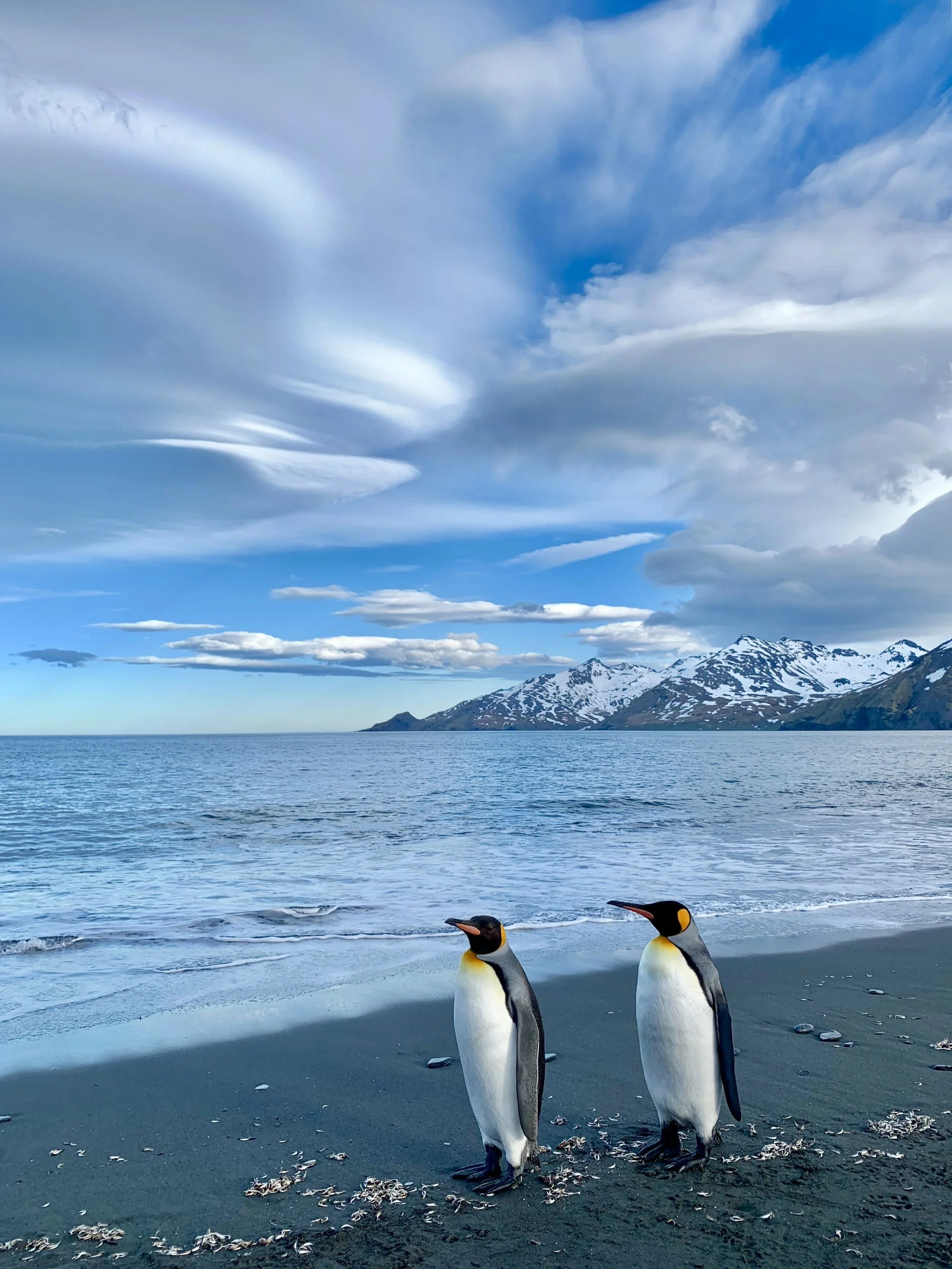
South Georgia penguins lenticular clouds

A couple of king penguins taking a stroll on South Georgia

Read more about South Georgia here. And if you like South Georgia, you’ll also enjoy the Falklands and Greenland.


2. Aldabra, Seychelles 

Aldabra is so pristine that only a handful of researchers live here year-round. It’s one of the few places on Earth where giant tortoises roam freely in astonishing numbers. Coconut crabs scuttle across the forest floor, and the lagoon hosts a thriving underwater world almost untouched by humans. Endless white-sand flats stretch into shallow turquoise water as far as you can see. If there’s a heaven on Earth, Aldabra is close.
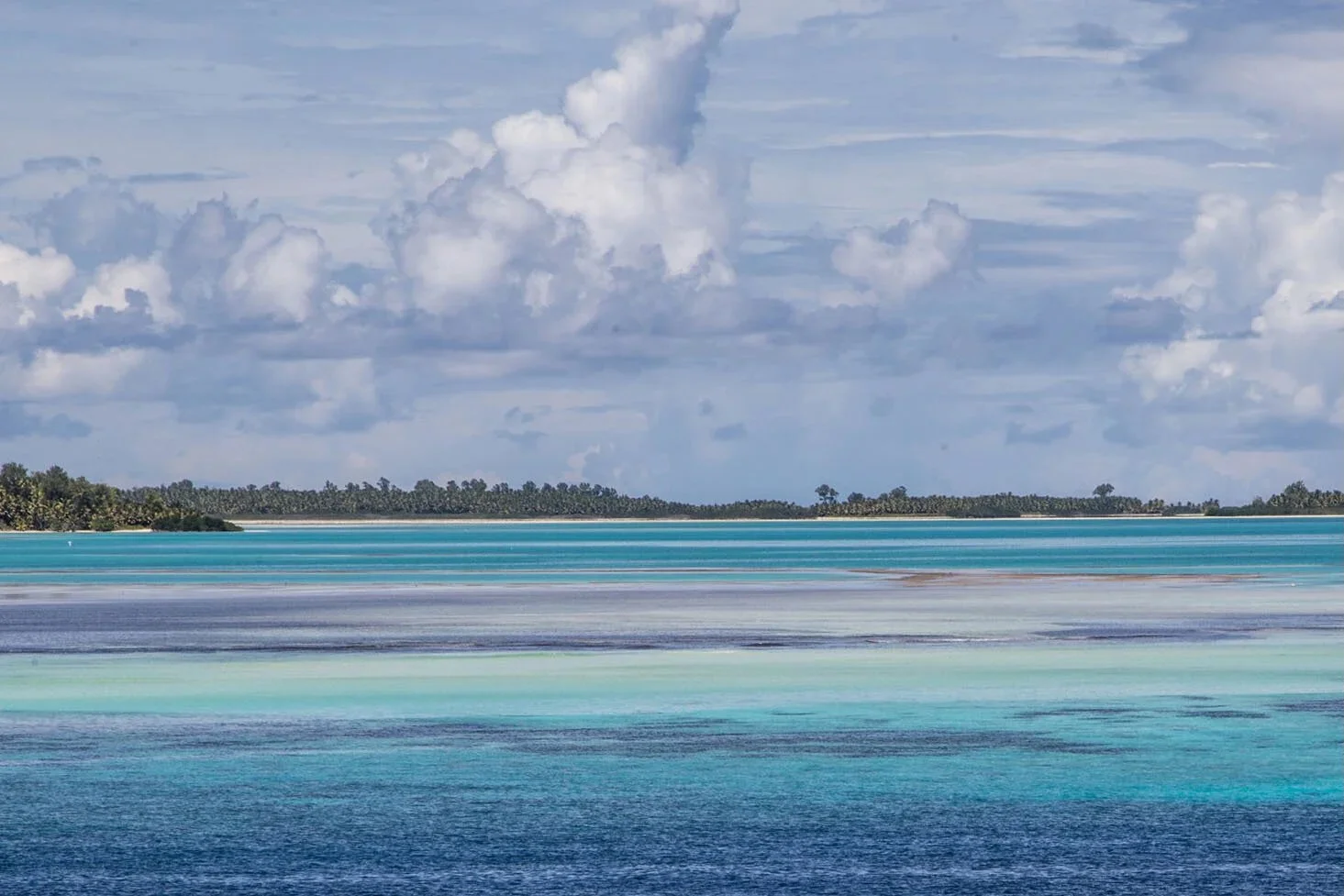
Seychelles Aldabra island

Endless hues of blue off Aldabra, Seychelles

Like South Georgia, Aldabra is uninhabited by humans with the exception of a few researchers from the Seychelles Island Foundation, formed to protect the local habitat. It is one of the only places in the world where you will encounter the giant tortoise, wandering alongside colourful coconut crabs and an underwater world teaming with life, largely unbothered by human interference. Impossibly long stretches of white sand disappear into aqua-hued shallow waters stretching into the horizon. If there is a heaven on Earth, this is it.  

If you like Aldabra, you’ll also enjoy Millenium Atoll (Kiribati) and Socotra (Yemen).


1. Ikaria, Greece

Named after Icarus, who flew too close to the sun, Ikaria is rugged, mystical, and fiercely independent. I first came to study Greek at the island’s cultural center, then returned again and again to explore its mountain trails, thermal springs, secluded beaches, and villages where time seems to run slower. Its famous honey, wine, and olive oil are some of the best in Greece. At just 99 square miles (255 km²), Ikaria feels both intimate and endlessly explorable.

Ikaria, named after Icarus, who flew too close to the sun, is wild, rugged, fiercely self-sufficient, and breathtakingly beautiful. I’ve travelled there more times than I can count, first to study Greek at the Ikarian Cultural Center, and later to explore more of the island’s diverse topography - stunning mountain hikes, hot sulfur pools, and sandy beaches - all backed by rich local products, from olive oil to honey to wine. Ikaria is just 99 square miles (roughly 255km), and yet each time I visit, I discover even more to explore. 
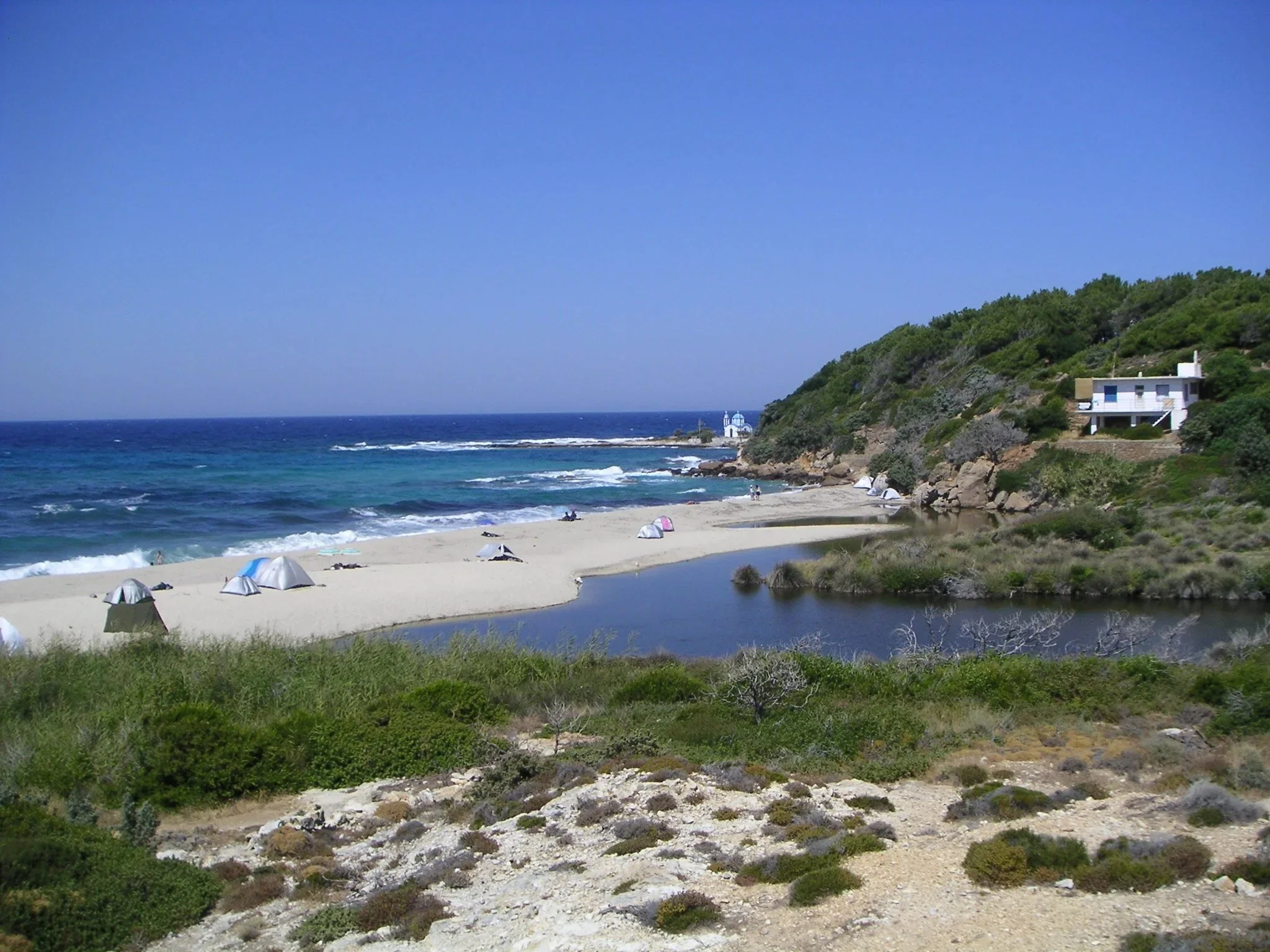
Greece Ikaria island beach

If you like Ikaria, you’ll also enjoy Sardinia and Miyakojima.

For more inspiration, check out my previous post on the Top 7 Beaches in the World.
St Lucia: crystal waters, cocoa, and craters

Few places have it all, but St Lucia is a serious contender. Staggering deep green mountains for hiking and climbing, rainforest trails filled with coffee and cacao trees, coral reefs teeming with life, and volcanic hot springs paired with a rejuvenating mud bath? Yes, yes, yes, and yes. What’s more, the people are some of the kindest I’ve met anywhere, and delicacies like saltfish and green figs, or freshly caught grilled fish paired with the local hot sauce, will leave you wanting for more.

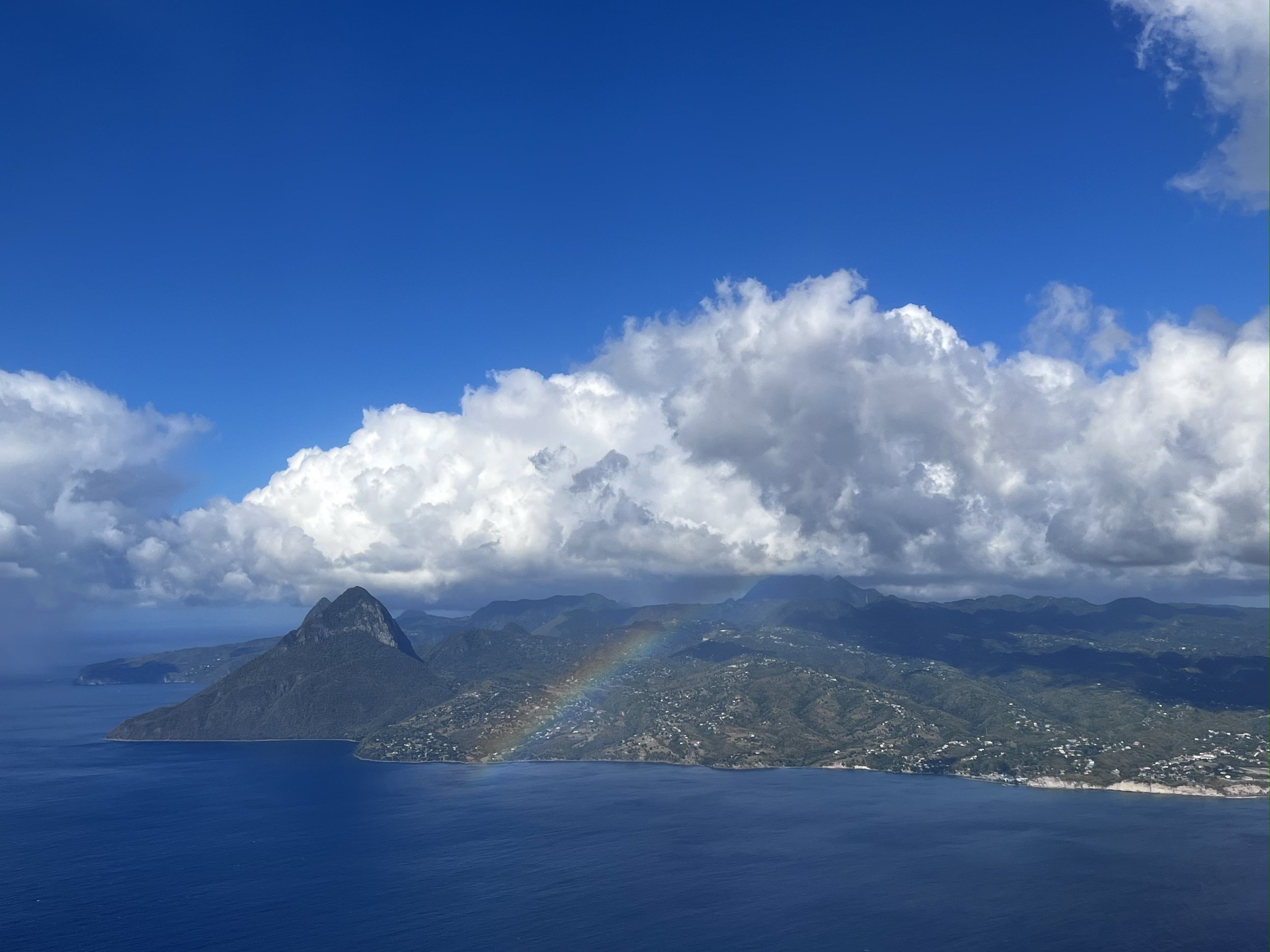
St Lucia mountains rainbow

View of the Pitons flying into St Lucia

Flying into Hewanorra International airport, I was treated to a spectacular view of the green-covered twin peaks of Gros and Petit Piton (large and small, for the non-francophone), and quickly began to settle into island time. We stayed at Sweet Breezes, a simple but spacious rental home a stone’s throw from the more upscale Tet Rouge resort in a less populated area, and at night we marveled for hours at the vast quantity of stars we could see from our roof deck due to little light pollution. A few minutes’ walk took us to a small beach, where at night the waves shone with bioluminescence as they lapped the shoreline. This is a place where time seems to slow, allowing you to reconnect to what’s truly important. 

Sunset St Lucia beach

Sunset, St Lucia

St Lucia Jalousie beach

Jalousie beach, St Lucia

The sea here teems with life, and you’ll be treated to schools of bright yellow grunts, squads of hovering squid, and a lone camouflaging octopus or two whether you snorkel or scuba dive. I did a couple of great dives with Chester, who runs Action Adventure Divers out of Soufriere at the base of the Pitons. We sought out invasive lionfish during our dives, which Chester speared and then asked a friend to fry for us next to the dive shop. One of the best snorkeling spots is on the north side of Jalousie beach, which you can reach by boat or by road via the Viceroy’s high-end Sugar Beach resort. We saw moray eels both freeswimming and emerging from hiding spots in the coral, inquisitive Caribbean reef squid traveling in family-size units, and a pair of pillow-sized porcupine fish. All beaches in St Lucia are public, and we enjoyed strolling along the sand, admiring the Pitons towering on either side of us. We followed with local greens, grilled fish, fried chicken, and passionfruit-flavoured drinks at the beachside restaurant, our feet in the sand as the sun set into the sea.

St Lucia sunset palm tree

St Lucian sunset

Petit Piton hiking

View of Petit Piton whilst hiking Gros Piton

Feeling up for an adventure, the next day we awoke early to hike up Gros Piton. Upon arriving at the trailhead, we were paired with a local guide and asked to pay a $50 USD entry fee, which goes to the local community (note: you cannot go up without a guide and at least 1.5L of water per person, though I’d recommend bringing 2L or more). Reaching the summit requires roughly 2 hours of mostly uphill hiking, with 3 spots spaced roughly 30 minutes apart to stop, rest, and enjoy the views along the way. We were rewarded with a sense of accomplishment and spectacular views of both Petit Piton (a more difficult summit, involving some climbing) and the southern expanses of St Lucia, with the peak of La Soufriere volcano on St Vincent visible in the distance. The way down felt longer, as it often does, but fortunately a small hut selling delicious homemade ice cream and an assortment of cold drinks awaits.

St Lucia volcano crater

Volcano crater on St Lucia

St Lucia is also one of the few places you can drive into the crater of an active volcano. We were greeted by the strong smell of sulphur and a few friendly local employees, who took us to a lookout point from where we saw an assortment of bubbling hot pools and heard stories about the history and formation of the area. Afterwards, we dipped into the nearby mineral hot springs, slathering ourselves in volcanic mud with revitalising properties that locals and tourists alike swear by. Our skin did feel baby soft for a few hours afterwards, so it’s certainly worth a shot.

Should you be craving a different kind of bath, nearby is the Toraille waterfall, a pretty 50 foot (15 metre) drop into a cold wading pool—stand under it for a nice back massage. Alternatively, nearby is Hotel Chocolat, an eco hotel with a spa featuring exfoliating scrubs and massages with oils made from the cacao beans grown locally on the property. Feeling sufficiently relaxed, we toured the cacao groves, and our patient guide taught us how to make our own chocolate bars from the raw ingredients. Spoiler: it requires patience and a lot of grinding pestle against mortar, and results in some of the best chocolate you’ll ever have. 

Project Chocolat St Lucia

Our patient guide at Hotel Chocolat

Anse Mamin beach St Lucia

Anse Mamin beach, St Lucia

Desiring more time in the sea, we headed to the nearby beaches of Anse Chastanet and Anse Mamin. Accessible by boat or car, both feature large expanses of sand lapped by crystal clear waters with dramatic rock-hewn backdrops. The high-end, open air sister resorts of Jade Mountain and Anse Chastanet are located here, and we enjoyed the fish ceviche served in a coconut along with delicious burgers on the beach at the relatively quieter Anse Mamin. Whiling away an afternoon alternating between swimming, reading, and sunbathing was enough to forget the outside world, and splurging on a couple of nights at the nearby Caille Blanc villa was definitely the right choice.

A short drive or walk from the beach, Caille Blanc perches dramatically on the hillside, with an infinity pool overlooking perhaps the best view of the Pitons. The view is overshadowed only by the friendly staff, who will ensure your stay is as magical as their island. I spent hours gazing over the expanse of ocean and mountains, and the image of the twin Piton peaks remains etched in my mind like an invitation. It’s a place you’ll want to linger, taken in by its serenity as you reflect on how lucky we are to live in this world.

Caille blanc villa pool St Lucia

View of the Pitons from the infinity pool at Caille Blanc, St Lucia

Where to eat, drink, and stay

Jungle grill, Anse Mamin beach

Sweet Breezes rental home, Choiseul, Soufriere

Hotel Chocolat

Caille Blanc Villa

A few notes on logistics

In current times, you’ll need a negative covid PCR test taken within 72 hours of arrival to St Lucia. I recommend doing this early, as you’ll need to upload it to the tourism portal, after which you’ll wait to receive an email with a QR code that you’ll need in order to enter the country. If you stay at more than one hotel in the country during your stay, some may require an additional test. To return to the U.S., you’ll need a negative test taken within 24 hours. As I found pricing for this to be quite high on the island, I brought a travel-approved test with me from the U.S., which I took under a doctor’s supervision via video call from my laptop. 

Having a car is essential to getting around the island (unless you’re willing to splurge on repeated outings from your hotel or rental) and gives you the freedom to explore. Many attractions are concentrated along the western side of the island, and the region around Soufriere is great to use as a base. If you’re looking to explore the whole island, keep in mind that driving distances can be significantly longer than they appear on Google Maps due to the frequent curves and potholes you’ll encounter on the roads; driving from the southern part of the island to the north without stopping will likely take about 3-4 hours. I highly recommend the locally-run Sacred Heart car rental - communication was easy, and everything went smoothly.