Top

¡República Dominicana!

To limit the Dominican Republic to the popular all-inclusive resorts of Punta Cana would be to miss the country’s spectacular northern coast, full of miles of unspoilt, lush green vegetation, white-sand beaches, and perfectly curving palm trees. Welcome to Samaná, the Dominican Republic’s northeastern peninsula! Here, from January to March, you can often catch glimpses of humpback whales just offshore. Or enjoy the quirky mix of locals and foreigners who fell in love with the area and now call it their home. You can have entire beaches practically to yourself (though beware of strong currents in some places) - it’s the ideal hideaway to write that book you’ve been putting off, or just spend quality time with the family.

The view from El Monte Azul

The view from El Monte Azul

Prices throughout the Dominican Republic are very reasonable (on average, we spent $70 to stay at well maintained B&Bs that typically also included breakfast). After stopping for a quick meal just east of the airport, complete with jugo de chinola (passionfruit juice) at Puerco Rosado in Boca Chica, we headed north to Las Galeras, a small village in the northeast corner of the Samaná peninsula. We stayed at a beautiful but hard to reach B&B, El Monte Azul, led by a charming French couple, Vanina and Pierre. The views from the infinity pool and restaurant (open only at lunch, as the owners recently opened La Joia in town for dinner) are spectacular, though the last few steep, uphill curves along the unpaved road to reach the house were difficult for our underpowered car. After relaxing in the pool, we enjoyed some sunset cocktails at the pretty but somewhat run-down El Cabito and a tasty, Thai-inspired dinner at La Joia.
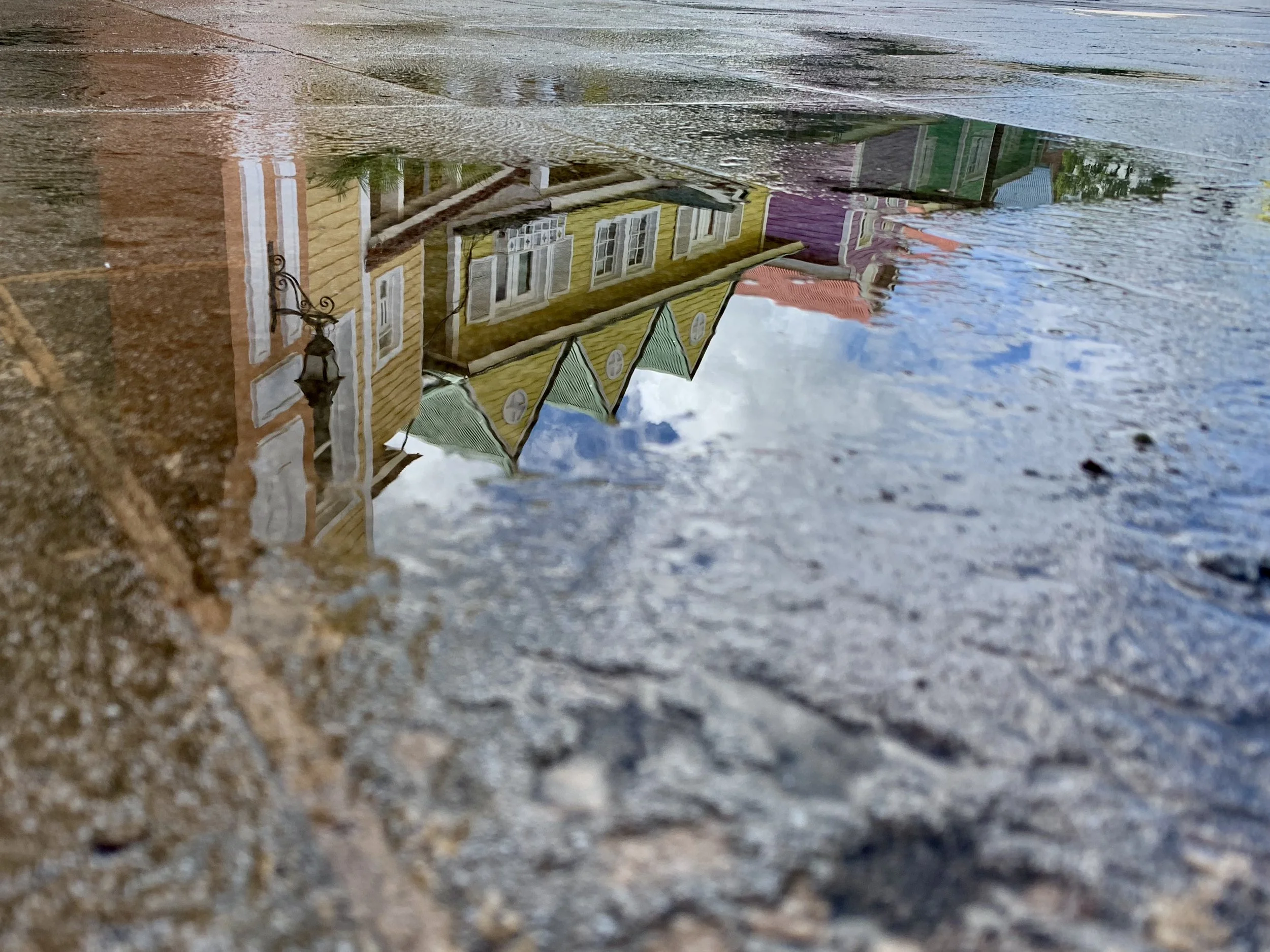
Post afternoon showers in Samaná

Post afternoon showers in Samaná

Playa Rincon

Playa Rincon

The following day, we lingered at Playa Rincon, exploring a few different local BBQ spots, finally settling at the open-air Bar y Grill Minin, at the far eastern end of the beach, for a couple of different freshly caught fish and delicious piña coladas served directly in the pineapple. We then drove southwest to the public pier next to the Gran Bahia Principe hotel just east of the town of Samaná and negotiated a private boat ride to nearby Cayo Levantado, a popular island getaway for both locals and tourists alike. The ride takes approximately 15 minutes, and the island features a beautiful white sand beach, complete with a number of stands selling small tourist souvenirs and drinks. The other half of the island is privately owned by the hotel and is inaccessible to visitors. While it was certainly a more popular place than Playa Rincon, it didn’t feel overly touristy, and the water was great for swimming or just taking a dip.

Playa Cosón

Playa Cosón

We drove onwards to Las Terrenas, a slightly larger town with more low-rise hotels and restaurants, where we had a delicious beachside dinner and drinks in gorgeously designed surroundings at Porto while watching the sunset change the colours of the sea and sand. We stayed at La Casa de Sergio y Cristina, a short drive away, which featured spacious rooms, a pair of friendly dogs, and a filling breakfast (the best we had on the trip, including omelettes as well as nutella souffles). Our stomachs full, we took a long stroll on Playa Cosón, encountering a total of just five other people on the most beautiful beach of the trip. Contemplating it, you wonder when its time will come, and whether one day this place, too, will look like modern-day Cancun. In the meantime, we were free to enjoy the wide, solitary expanses of sand, chirping tropical birds, and crashing of waves.

From Las Terrenas, we headed northwest, stopping en route at Laguna El Dudu for some snorkeling and a jump off a zipline in the beautiful cenotes. The water was cool but a refreshing contrast to the relative afternoon heat. Afterwards, we enjoyed a late afternoon lunch at the high-end Amanera resort (reservations required) at the far western end of Playa Grande (worth a stop on its own) before enjoying an evening with locals at Playa Caleton.

View of Playa Grande from Amanera

View of Playa Grande from Amanera

The following day, we continued on to the kitesurfing capital of Cabarete. While the weather did not cooperate, we enjoyed a breakfast at the Cabarate Coffee Company, which donates a percentage of sales to benefit a local organization dedicated to girls’ education. We also stopped at Sosúa, which felt too touristy for our preferences, and so we drove onward to Playa El Chaparral. Flanked by a couple of resorts, the middle section of the beach is relatively non trafficked, but it did not compare to the wild, vast expanses of beaches in the Samaná province. We followed the severely pockmarked road up to the Parque Nacional Isabel De Torres in Puerto Plata to get a nice panorama of the surrounding coast as well as a walk through the local flora. We enjoyed some light bites and drinks at Kaffe in town, as we planned to wake up early the following morning to experience the 27 waterfalls at Damajaguas.

A 45 min drive from Puerto Plata, Damajaguas did not disappoint. Arrive early in the morning when they open to beat the cruise ship groups, and you may get lucky and have the waterfalls largely to yourself. Be sure to wear a pair of water shoes (they are required; if you don’t have your own, you can rent a pair on location) and something comfortable to slide down natural rock slides. It’s an unforgettable experience.

Santo Domingo

Santo Domingo

While we didn’t have time to linger in Santiago Los Caballeros, we did stop for brunch at Camp David, with a spectacular vista over the surrounding area. The brunch menu featured a number of delicious options, including Nutella french toast, with elevated but still reasonable prices. Finally, we made our way to Santo Domingo, where we primarily focused on the vibrant Zona Colonial. Highlights included stumbling upon a local watering hole just off the Plaza Pellerano Castro, meandering the narrow, picturesque streets, and sampling tapas at Lulu Tasting Bar (50% off if you pay with an Amex card before 9pm). Also worth checking out (if you speak Spanish) is the Microteatro, which shows 20 minute long plays every 30 minutes (best to come in advance to purchase your ticket, as it does fill up). Finally, be sure to sample some local handmade chocolate (some good brands include Cacaoteca and Xocolat), which can be purchased in most larger supermarkets.

República Dominicana, I plan to be back, even if just for the chocolate.

Map of our route: https://goo.gl/maps/KU7ZabeYMXn

A few notes about renting a car in the Dominican Republic: Beware of scams run by car rental agencies outside of the top tier. In our case, we had booked a car with a credit card guarantee with Ace (which seems to do business primarily as Nelly in the country). After picking us up at the airport and driving us to their nearby location, they informed us they did not have any cars available. After some negotiation, a car materialised, but it was not a 4WD, as we had booked. Additional fees that the agent insisted were mandatory (despite us having our own insurance) resulted in a price nearly 3 times what we had reserved. My tip is to book with a reputable international company, such as Hertz or Avis, to avoid issues on the ground.

Despite a number of online posts to the contrary, driving in the Dominican Republic is relatively straightforward, minus a few hiccups. You will encounter potholes and speed bumps without warning, as well as locals casually crossing the road. In addition, Google Maps is sometimes incorrect, and we learned to use the satellite view to ensure that the app’s directions led us along actual roads. But once you adjust, and enter a more relaxed vacation mode, it’s really no different than driving everywhere else. During our 6-day, 5 night trip, in which we stayed at a different location each night, we encountered no issues; in fact, locals once stopped us to ensure we were on the correct road to reach our destination. One further tip: ensure you carry a good amount of Dominican pesos (we spent over 1500 during our trip), as there are tolls, and they only accept cash in the local currency.
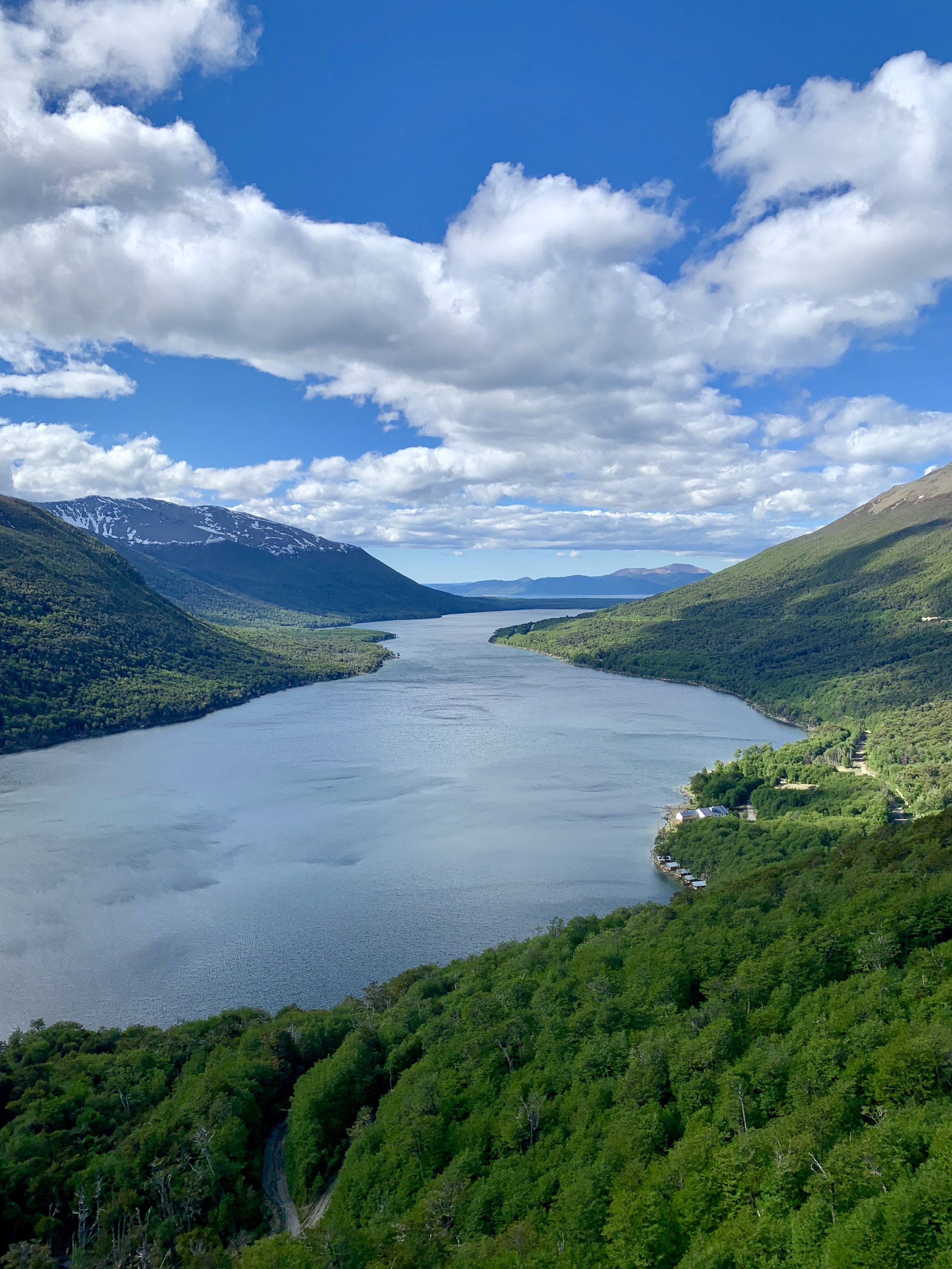
Falklands, South Georgia, and Antarctica: the Seventh Continent

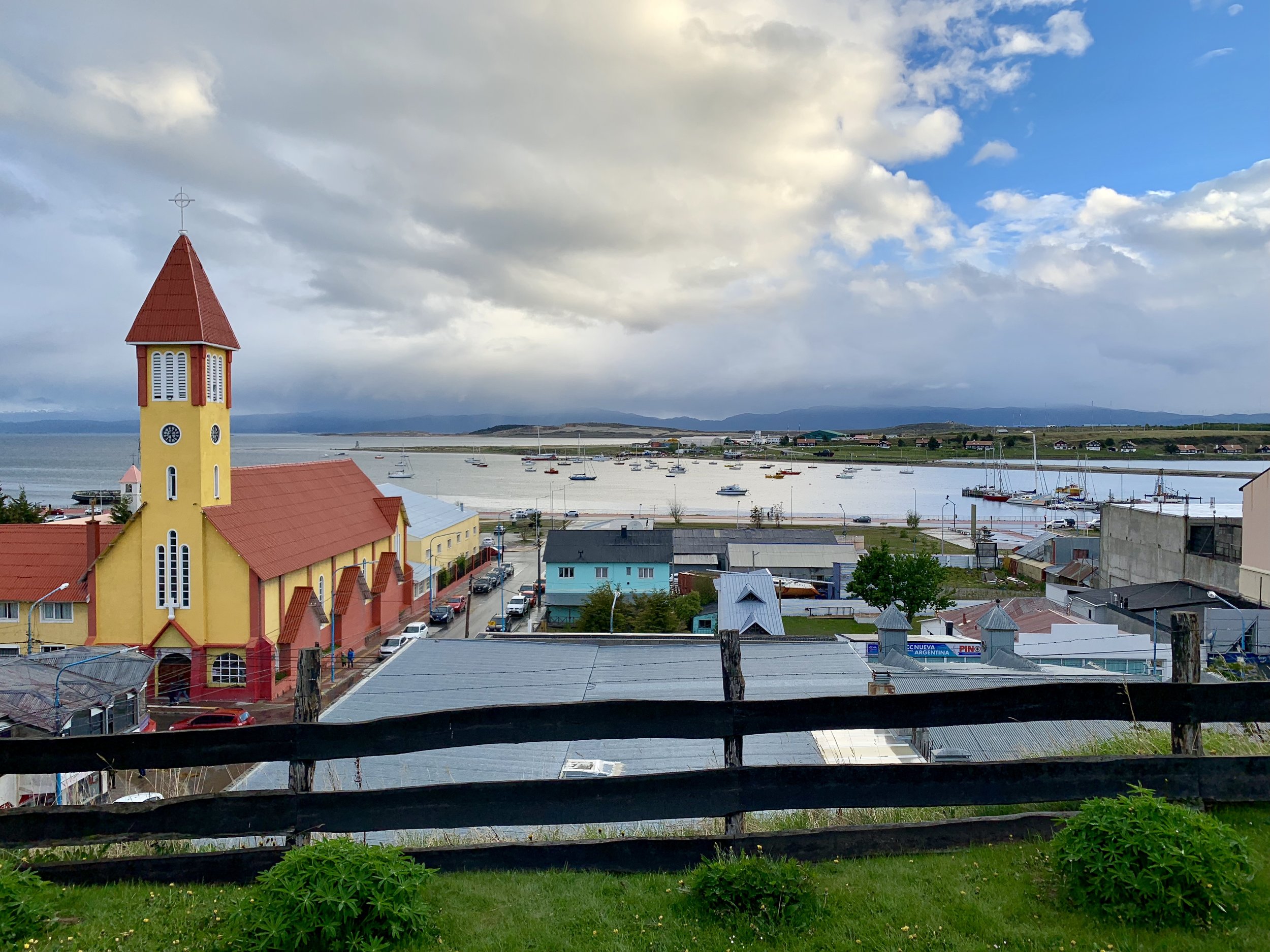
I had dreamed of going to Antarctica for years, and I had heard from fellow travellers that the highlight of their experience was often South Georgia. So earlier this year, I blocked off nearly 3 weeks on my calendar and made the dream a reality last month, travelling to the Falklands and South Georgia en route to Antarctica. We flew into Ushuaia in Argentina, spending a couple of nights there before meeting our ship at the port. It’s important to choose your ship wisely—don’t go for a cheap one, as you truly do get what you pay for. On the higher end, smaller ships will offer more flexibility and enable you to spend more time on land. I would personally recommend travelling on the National Geographic Orion via Lindblad Expeditions—it’s a beautiful ship and a first class experience.

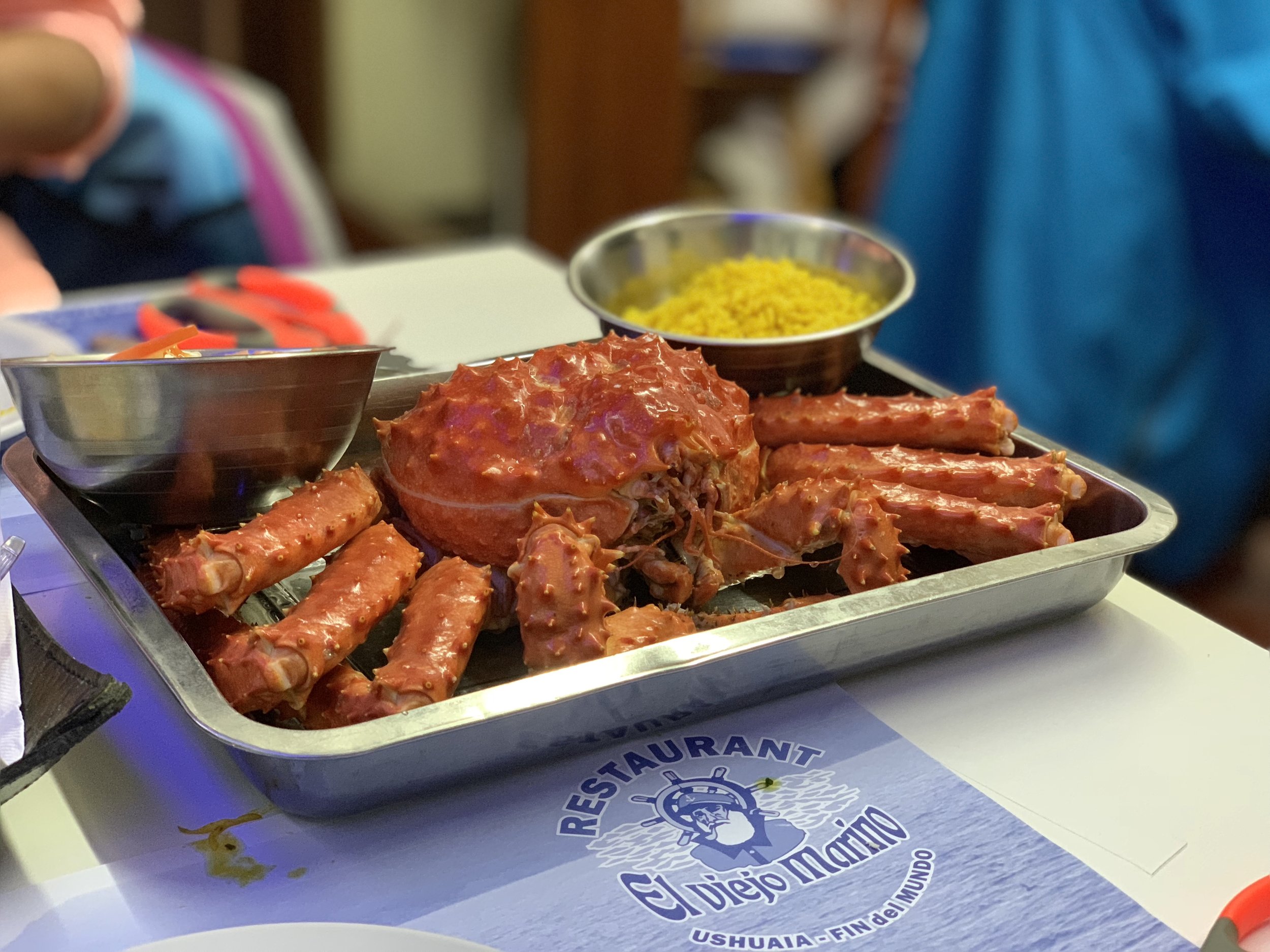
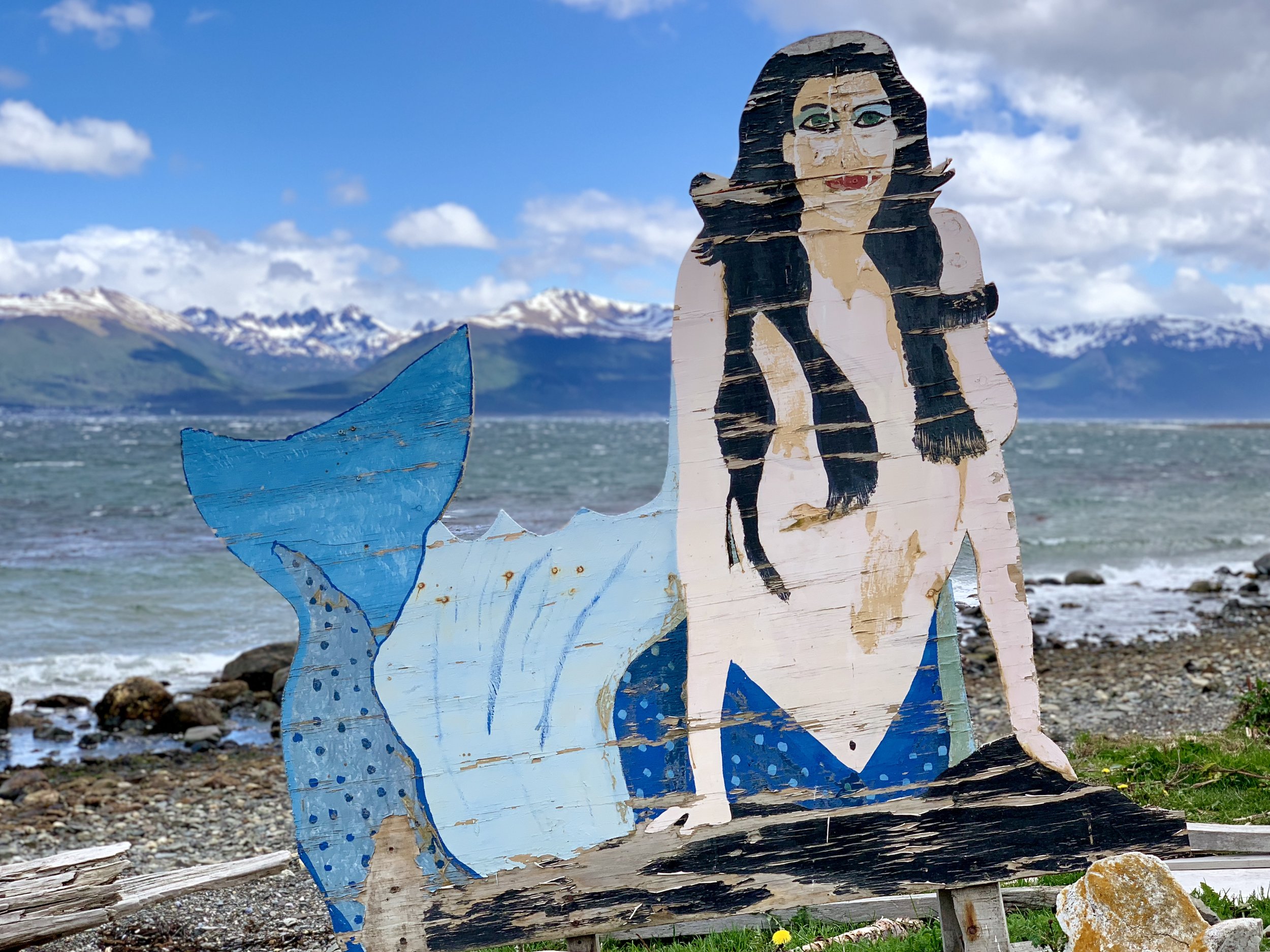
In Ushuaia, don’t miss the centolla (local king crab) at El Viejo Marino - it was so delicious, we went twice for the whole crab experience. You can also order just the crab meat if you’re in a hurry. Also recommended for a high end experience is Kaupe, with views overlooking the city and harbour. For breakfast or a snack with reliable free wifi, check out Tante Sara on the main street in town. If you have at least a full day, I recommend renting a car to check out the beautiful surrounds. Tierra del Fuego National Park was pleasant enough, but much more spectacular was the road east of Ushuaia. We stopped for lunch at La Sirena y El Capitan (cash only) in Puerto Almanza, where the scallops and crab empanadas were some of the best we’ve had. The setting, overlooking the Beagle Channel, with Chile in the distance, is equally spectacular. We drove onwards through the mountains to vistas of Lago Escondido and the enormous Lago Fagnano before heading back to Ushuaia. If you have more time, the shipwreck of the Desdemona, which ran aground in Cabo San Pablo, is worth a visit.

After setting sail from Ushuaia the following afternoon, we had over a day at sea before reaching our first destination, Carcass Island in the Falklands. Known for its population of Magellanic and gentoo penguins, the island features several beautiful yellow sand beaches reaching into light green-blue waters. After sitting on the beach watching the penguins diving in and out of the water, we hiked up to to the island’s highest point for a spectacular view of the surrounding islands and our ship in the distance. From Carcass Island, we sailed to West Point Island, inhabited by a couple who are the island’s caretakers and serve pastries and tea to visitors in their lush garden. The island is also home to several thousand breeding pairs of rockhopper penguins and light-mantled albatrosses. To reach them, we hiked across and the island and through some 2-metre high clumps of tussock grass. We were rewarded by seeing the birds sitting on their eggs, with albatrosses frequently swooping just inches above our heads.

A rockhopper penguin guarding its egg, Falkland Islands

A rockhopper penguin guarding its egg, Falkland Islands

Following two more days at sea (bring your dramamine!), we passed Shag Rocks, a towering, craggy set of formations that is home to thousands of shags (cormorants) before finally reaching South Georgia, perhaps one of the most beautiful places on earth. Our first stop was Salisbury Plain, home to the island’s second largest king penguin colony, with over 500,000 individuals. Baby penguins covered in fluffy brown down mixed together with brightly hued yellow, white and black adults. They approached us curiously but cautiously, making for an unforgettable experience. Fur seals and elephant seals rounded out any available empty space, and the black sand beach made for a memorable backdrop.

A penguin among penguins in Salisbury Plain

A penguin among penguins in Salisbury Plain

We also visited the main settlement on South Georgia, Grytviken, which was formerly a whaling station. Remnants of the station (and others like it) litter the South Georgia coast, a sombre memorial to humans’ mass slaughtering of wild animals. Four staff members live here during the high season (November-March), manning the post office and gift shop as ships arrive nearly daily with visitors. Ernest Shackleton’s grave is also found here, and we drank a shot of whiskey in his honour.

King penguins, St Andrew’s Bay

King penguins, St Andrew’s Bay

The biggest highlight of South Georgia, however, was St Andrew’s Bay, which we visited on our third day on the island. It is home to the island’s largest king penguin colony, and the view over the raucous, colourful colony is one I will never forget. Penguins in all stages of life—babies, those moulting, and adults—abound against the stunning backdrop of glacier-covered mountains, small ponds and rocky beach. We were also rewarded with a spectacular display of lenticular clouds as we motored away towards the southern stretches of South Georgia. We stopped briefly at Cooper Bay to see macaroni and chinstrap penguins, followed by a cruise of the stunning Drygalski fjord.

King penguins and lenticular clouds at St Andrew’s Bay

King penguins and lenticular clouds at St Andrew’s Bay

Sheer happiness in St Andrew’s Bay

Sheer happiness in St Andrew’s Bay

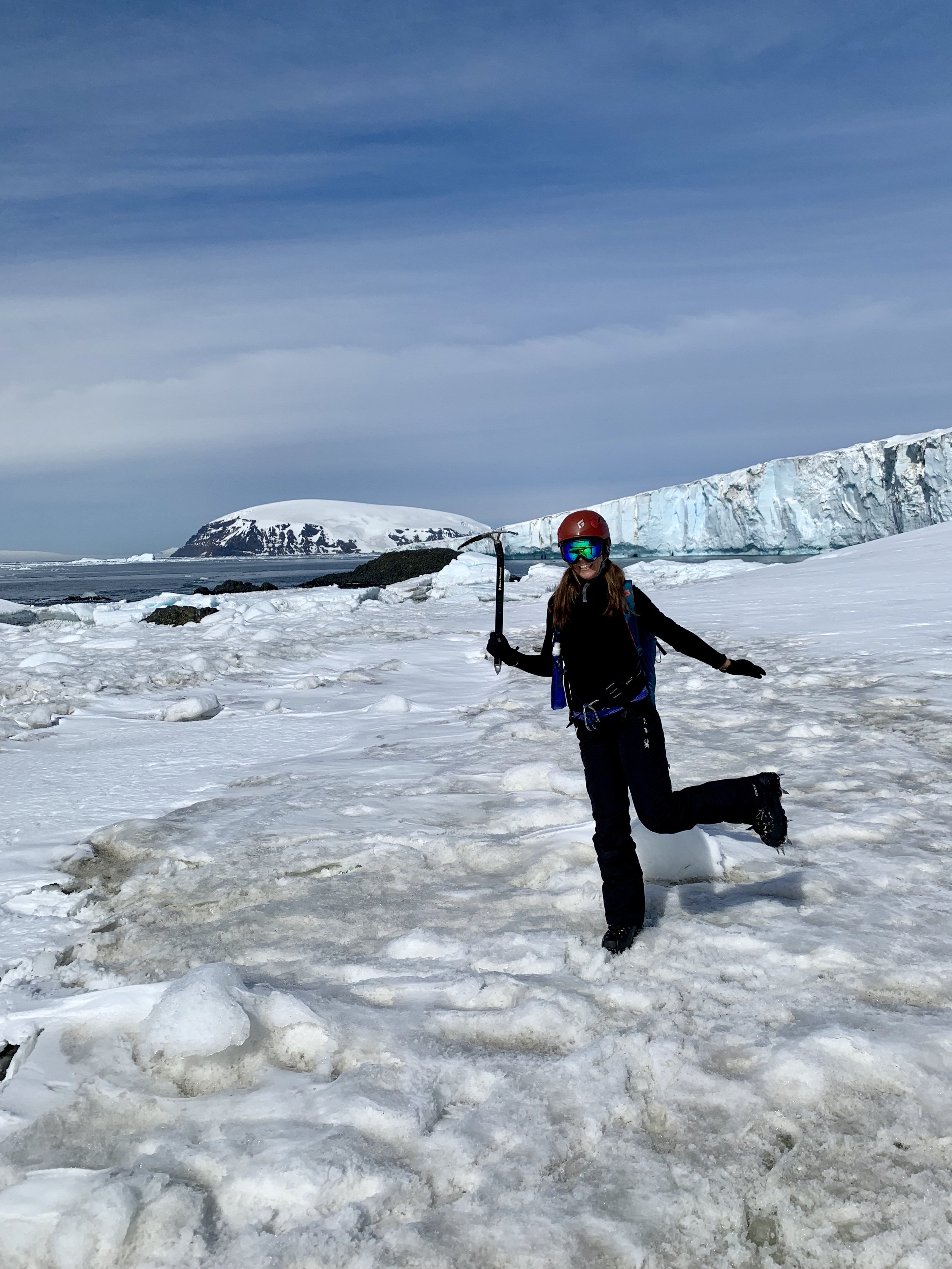
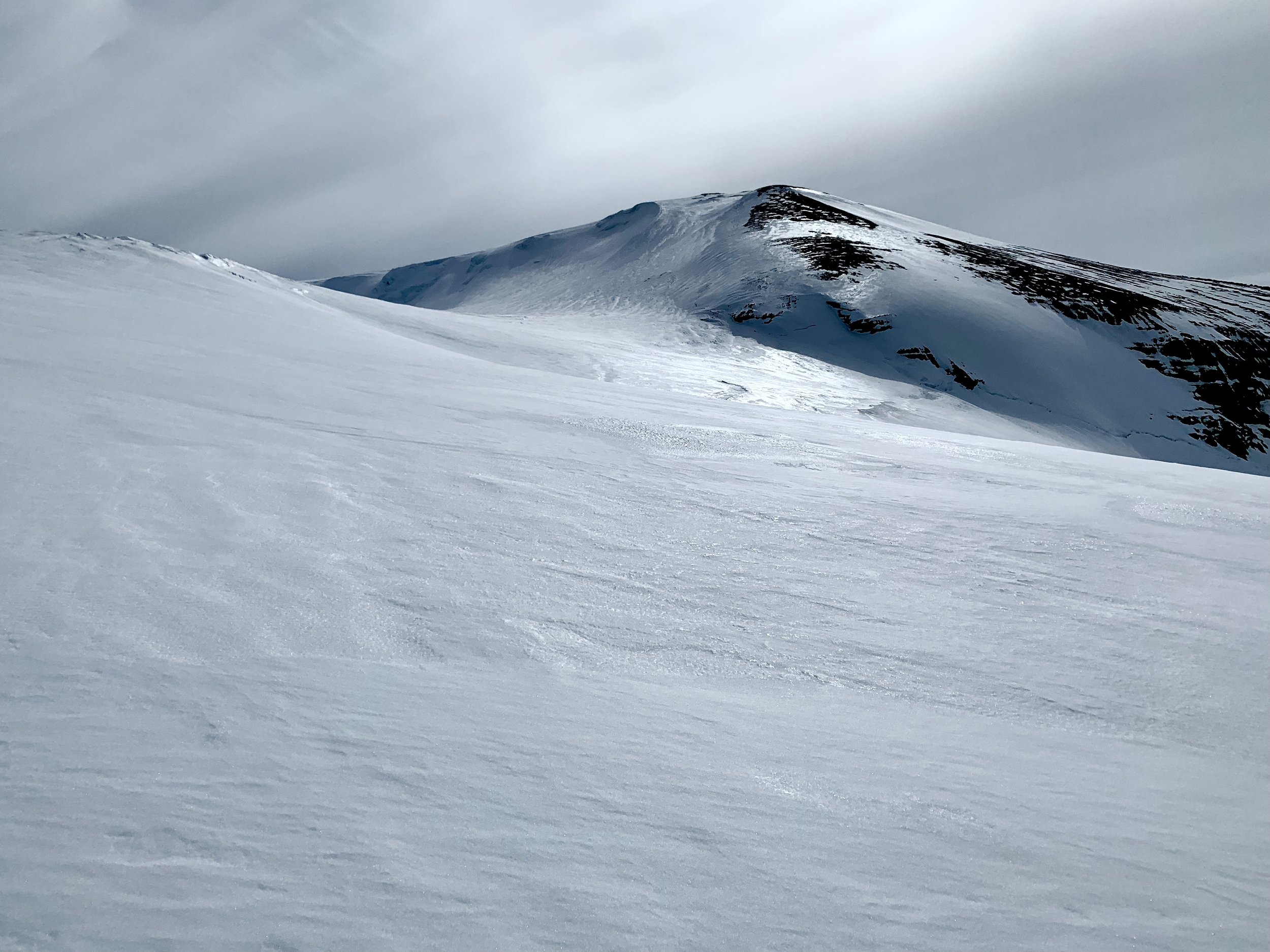
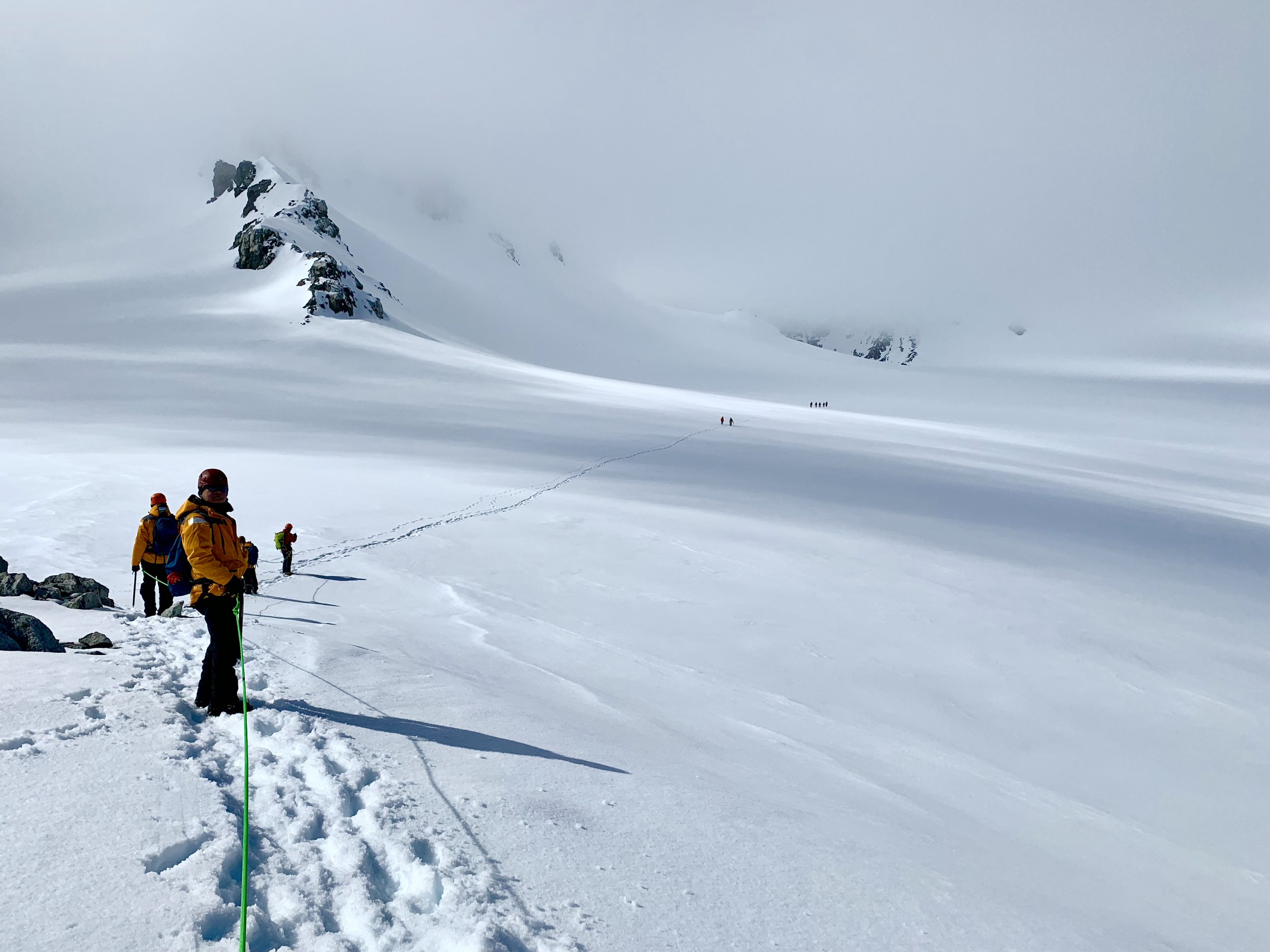
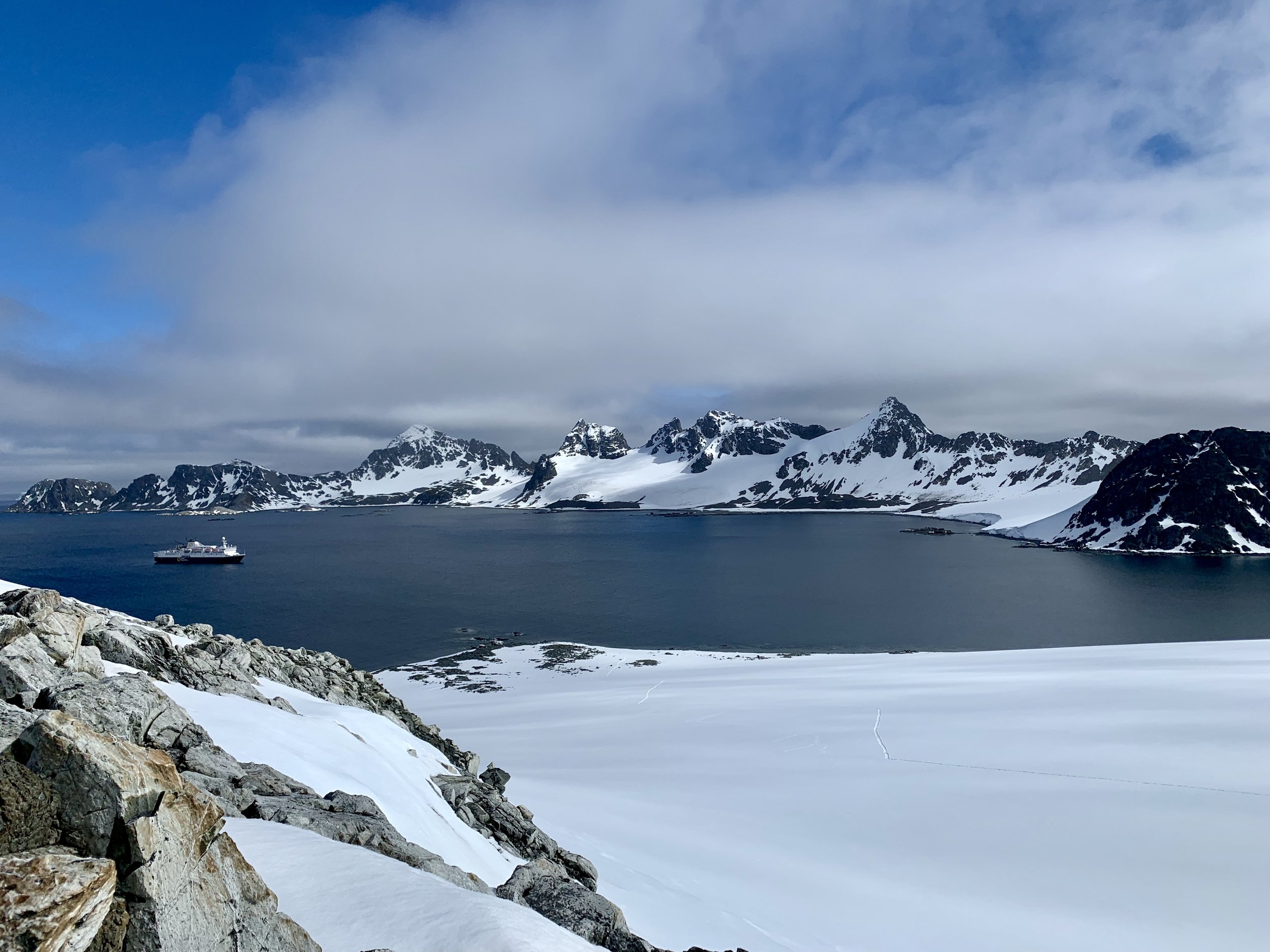
Our first stop in the Antarctic was Laurie Island in the South Orkneys, where a small group of us went mountaineering (complete with ropes and crampons) in fresh powder. We were accompanied by a couple of Argentines from the nearby Orcadas base and learned they live on the base year-round, subsisting on shipments brought in by ship once a year. What do they miss the most? Fresh vegetables!

Brown Bluff, Antarctica

Brown Bluff, Antarctica

A gin & tonic with Antarctic glacial ice

A gin & tonic with Antarctic glacial ice

We made landfall on the Antarctic mainland at Brown Bluff, a stunning set of rocks from which the area gets its name and home to a sizeable colony of Adelie penguins. We again went mountaineering, admiring the views of the icebergs dotted with penguins and bay packed with sea ice. Later, we kayaked through the ice, admiring the quiet that was interrupted only by the sounds of calving glaciers. We collected some of the ice to add to our gin & tonics later on the ship. At Mikkelsen Harbour, as snow and hail pelted us, we visited a colony of gentoo penguins, admiring their strength in the face of the elements. Many of them walked to the end of the island and back to gather rocks for their nests, huddling together as they built up the areas that would house their eggs. At Half Moon Island, we were privileged to witness a colony of chinstrap penguins, oblivious to our existence as we skirted around to allow them to freely pass between us. The surrounding icescape was dotted with rocky pillars, a contrast to the white glacier. We truly felt small.

One afternoon, we were offered the opportunity to do a polar plunge—that’s right, we willingly jumped into 1°C water. It was shockingly cold, and we warmed ourselves with shots of vodka and time in the on-board sauna afterwards. The staff prepared a spectacular Antarctic barbecue on the outer deck, and we bid goodbye to the icey, otherworldly panorama of icebergs, glaciers, frolicking penguins and seals, and deep hues of blue and white as we sailed northwards, back to Ushuaia. It truly felt like the end of the world, and the feeling of setting foot where very few others have is an unforgettable one.

Packing list

  • Sunscreen (the sun is very strong in the Antarctic)

  • Dramamine or other motion sickness medicine

  • Bathing suit

  • Waterproof pants (make sure they are actually waterproof by hosing yourself down before you go)

  • Wool/base layers (layering is key to dressing for the weather, as it changes very rapidly - depending on the day, I wore both t-shirts as as well multiple layers and and outer shell)

  • Comfortable shoes to wear on the ship

  • Hand warmers

  • Two sets of gloves

  • Camera & lenses

  • Extra SD cards (I ended up taking nearly 7k photos)

  • Lotion (the air can get very dry)

  • Books, cards, and games for days at sea

Where to eat & drink

El Viejo Marino

Kaupe

Tante Sara

La Sirena y El Capitan

Marine and other pleasures in Bonaire

When I told friends I was going to Bonaire, I was typically met with blank stares. This small, 112 square mile island, located just north of Venezuela and just east of its better known sisters, Aruba and Curaçao, is remarkably under the radar, though it’s been a magnet for the scuba diving community for years. The big draw here for divers is that most sites are accessible directly from shore, eliminating the need for scheduled boat trips. The area around the island has been protected since 1979 thanks to the efforts of one Captain Don, an American seafarer with a passion for scuba diving who was shipwrecked off the island in 1962. The island’s coral reefs contain most every Caribbean species of hard and soft coral, and the condition of the reefs, with little algae or bleaching, is hard to beat.

Bonaire coastline

Bonaire coastline

Getting to Bonaire from NYC requires a stopover in Curaçao (JetBlue has regular flights from JFK), which is worth a visit on its own, too. From Curaçao, we flew Insel Air (not recommended, as they cancelled our return flight back—a better option is Win Air). Once on Bonaire, we rented a pickup truck from AB car rentals, which provides a 10% discount on tanks and dive gear rental. Be sure to reserve your truck ahead of time, as they do get fully booked up.

The drive to our Airbnb took us through town and up the Sabadeco hill, to a beautiful gated house owned by Louise and Simon (and their two dalmatians, Eva and Mia). They were all there to greet us when we arrived, and Eva and Mia promptly corralled us into belly rubs on the pool terrace. The orange and purple hues of golden hour were settling in across the sky, and the northern reaches of the island stretched into view from the house.

Mia on the terrace of our Airbnb

Mia on the terrace of our Airbnb

A local resident

A local resident

Every dive shop on the island will require you do a check-out dive with them and pay the park fee of $25 before they rent you any tanks or gear to ensure you understand the marine park rules and won’t damage the coral. After that, you’re free to go on your own, and I did a couple of days of diving with our Airbnb host Simon, who doubles as a divemaster. He knows the best sites on the island, including ones where you will be the only divers - a truly unique experience. Some of the most spectacular highlights included a baitball so thick with fish that it blocked out the sun above us, and a group of 13 Caribbean reef squid hovering together in shallow water. There were beautiful gardens of staghorn corals, resting feather stars and curious boxfish.

And the food on Bonaire is excellent. One of our best meals was burgers and fries from the King Kong food truck on the southwestern shore, featuring daily specials like 3-cheese or truffled burgers. On the other end of the spectrum, the cod with risotto and chorizo or the beef tartare with crunchy bulgur at Brass Boer would not be out of place in a restaurant in New York, and we enjoyed every bite. For cocktails, check out The Pier, where Jay expertly pours well-balanced, citrus-based libations. On Thursdays, the great value all-you-can-eat BBQ at Jibe City is a good reason to check out the eastern side of the island. Splash around in the shallows afterwards, and you may be lucky enough to see the water around you explode in bioluminescent bright blues.

Cactus and flamingos in the distance in Washington Slagbaai National Park

Cactus and flamingos in the distance in Washington Slagbaai National Park

Brain coral imprints in volcanic rock

Brain coral imprints in volcanic rock

No visit to Bonaire is complete without a drive through the Washington Slagbaai National Park. Alien landscapes of thousands of enormous cactuses and multi-layered volcanic rock abound, and we stopped to admire imprints of brain coral and other organisms in the ground beneath us. A lighthouse marks the northern tip of the island, and Wayaka 2 is perhaps the best snorkeling spot we encountered, featuring an easy, sandy entrance and fish that swam right up to us. There are some interesting overhangs leading to caves to explore, too, and you’ll encounter flamingos in numerous spots. Ideally budget a full day to linger at your leisure, or make a promise to come back.

Wayaka 2, Washington Slagbaai National Park

Wayaka 2, Washington Slagbaai National Park

Holbox: island of whale sharks and bioluminescence

I’m a big fan of islands, and Holbox is no exception. Fortunately, it is still relatively under the radar. That may be because it is relatively hard to reach (a flight to Cancun, followed by a 2-hour shuttle ride to Chiquilá, followed by a 30 min ferry ride to the island). A few hours away from Cancun, it is a different world. With few cars on the island (mostly used by locals/for construction), most people use golf carts (unfortunately there are many of these), bike or walk to get around.

But the real draw here is a few dozen miles offshore. Every summer, from May through September, there is an abundance of plankton in the waters northeast of Holbox, which in turns draws hundreds of whale sharks. Whale sharks, for those who have not yet been inundated with photos of the spotted, majestic beasts on social media, are the largest fish and are filter feeders, their favourite food consisting of plankton and small fish. Along with them arrive boat trips from both Holbox and Isla Mujeres with tourists ready to jump in and snorkel with the sharks. Most of these tours follow the same script: two tourists in at any given time with a guide, pairs swapping out every few minutes. You’ll get 2-3 chances to swim with the sharks, which feels like not enough when you’ve spent a couple of hours on a boat getting there. I’d recommend getting together a group and chartering your own boat so that you can spend your time as you wish.

On the return, most boats will stop at Bahia Ceviche, a fantastically beautiful patchwork of long colours blending into each other—beige into blue into green into rose. It’s a beautiful spot from which to watch the resident flamingoes bend and straighten their thin legs in a gracious dance as they feed in the surrounded waters.

Punta Cocos

Punta Cocos

The inhabited parts of Holbox are also a treat, largely shaped as a grid around the main square, featuring some colourful murals and street vendors. I particularly enjoyed a long walk west along the north shore to Punta Cocos, where we relaxed on hammocks dipping into the crystal clear water and watched in amusement as a dog chased and pounced on fish and rays. In the distance, a trio of flamingoes did their dance, and everything was serene. On the way back into town, we ducked into the Holbox Animal Sanctuary along the way to see a few local rescues, then stopped for a well-deserved meal of some of the best ceviche I’ve ever had, accompanied by chips with guacalucy (a spicy version of guacamole), at Ceviches la Chingada.

Mural in the main square of Holbox

Mural in the main square of Holbox

Our hotel was the stunningly designed and intimate Punta Caliza, and it was surprisingly easy to settle into a calmer rhythm where our only concern became when to order our next round of margaritas. The other guests at the hotel included a family of four from New York, with an incredibly funny Mom who would include us in her jokes, a gay couple with an architectural wonder on Fire Island, and a mother and daughter, who happened to share a birthday with my friend while we were on the island. The staff graciously created a drink special in honour of their birthdays and offered 2 for 1 on it all afternoon. Breakfast was included and was always a creative affair, ranging from the sweet to the savoury, and the staff were happy to make adjustments as needed.

Hotel Punta Caliza

Hotel Punta Caliza

Hotel Punta Caliza

Hotel Punta Caliza

We also enjoyed the cocktails and small bites at nearby Luuma, and Milpa (reservations required) for fun, inventive, more upscale food and cocktails. But by far the best meal on the island was had at El Chapulim, where we wished we had had more time to return. Skippable is Barba Negra, where the tacos sounded good, but missed the mark and took a very long time to arrive, despite us being some of the only customers, as well as Casa las Tortugas—a beautiful hotel with nice views from the rooftop, but the cocktails were too sweet and the service lacking.

Breakfast at Hotel Punta Caliza

Breakfast at Hotel Punta Caliza

Unfortunately, Holbox is also one of the buggiest places I’ve been—any spot I missed with the mosquito repellent was promptly found by mosquitos. If I didn’t reapply repellent frequently, I was also tracked down and tormented by the mosquitos.

One evening after it was completely dark, we decided to brave the mosquitos and walked east along the shore until we had passed all the hotels and restaurants, and around us was only the sea and the jungle. Wading into the water, we were surrounded by flashes of bright blue bioluminescence from the plankton, which releases light when disturbed. We went for a quick dip, amazed at the sky full of stars blinking overhead and the lights surrounding us in the water. For just a few days, we escaped the hustle of New York and discovered the small paradise of Holbox. Go before it’s too late.

Packing list

  • Copious amounts of mosquito repellent

  • Bathing suit

  • Mask & snorkel

Where to stay

Hotel Punta Caliza

Where to eat & drink

Ceviches la Chingada

Luuma

Milpa (reservations required)

El Chapulim

New Zealand: North and South Islands in 2 weeks

Back in college, I used to think people who studied abroad in New Zealand were silly. Why spend time in a place where the spoken language was English? I was much much better off learning French language and customs living with my 9-person host family in Rennes or picking up on Greek through its rich music during my homestay in Larissa. New Zealand was a waste of time. Or so I thought. Little did I know it would turn out to be perhaps the most beautiful country I would visit, and it would hit me so hard I would fantasize about finding excuses to go back, spend more time there, and perhaps even live there. Turns out I was the silly one for dismissing it so quickly.

Milford Track

Milford Track

New Zealand is by far one the most ambitious trips I’ve planned—two weeks through both the North and South Islands, covering 11 of the country’s 16 provinces (roughly 3000 km in total), is likely crazy to most, but it was all the time I had. I am already plotting my next trip back.

I flew from NYC to Auckland roundtrip via LA on American Airlines (at a cost of $0, thanks to my Chase Sapphire Reserve miles!). I stayed only at Airbnbs throughout the trip - in this case a cheaper option, and it gave me the opportunity to meet so many people along the way.

Day 1: Auckland

I landed in the morning in Auckland and rented a one-way car (return in to Christchurch) from Apex rentals, which included the one-way ferry from Wellington to Picton and hence had the best price by far. The day’s plan originally included an ambitious idea of going to Waiheke island to check out its famed beaches, vineyards and olive oil, but I ended up taking it easy in Auckland instead, saving Waiheke for next time. I first explored the Mission Bay waterfront area, getting brunch and enjoying ice cream while walking along the beach. It’s got a friendly, local neighbourhood vibe. After parking in South-central Auckland, I walked up along Queen St and stopped at the Auckland Art Museum, checking out Yayoi Kusama’s obliteration room—a fun, interactive experience. The museum is really well done, with art ranging from Maori to modern, and an easy place to while away a few hours. I made my way to the Downtown Ferry terminal and took the ferry over to Devonport, from where I walked east along the seaside taking photos and enjoying the ocean breeze. I stopped in for a drink at the bar at Devon on the Wharf before hopping a ferry back, enjoying views of downtown Auckland, where I indulged in some wine and oysters and chatted with the French servers at Shucker Brothers. Dinner was at Soul Bar + Bistro, one of the few downtown restaurants open at the end of December, as most of the city clears out on holiday. Exhausted, I made my way to my Airbnb and collapsed.

Yayoi Kusama’s Obliteration Room at the Auckland Art Museum

Yayoi Kusama’s Obliteration Room at the Auckland Art Museum

Day 2: Waitomo & Rotorua

Around 7am I hit the road and headed to Glowing Adventures for their Waitomo cave photography tour. They supply clothes as you get both wet and dirty during the tour, and it’s more involved and feels less touristy than other tours, as there are no pre-built pathways, handrails, installed lights, etc.—the caves have been left unmodified. Other tours include boat rides, which this one did not, but you do walk through some water and see some eels. The experience of seeing the light blue glow of the worms in the otherwise dark cave was otherworldly and unforgettable, and I would do it again in a heartbeat. Afterwards, you can shower, change, and enjoy a cup of tea and some cookies before moving on. In the afternoon, a fun and windy road took me to Wai-o-tapu Thermal Wonderland, which truly lives up to the name. The champagne pool, with its smoking hues of bright orange and green, is a must-see on any New Zealand itinerary. The whole walk is spectacular, worth a good couple of hours. And the gift shop is a fun place to get a mud mask (or kiwi or manuka honey, if you prefer) for later in the evening. Finally, I checked out the Rotorua Thursday night market, a crowded but fun affair, before heading to my Airbnb by Lake Taupo.

Squeezing into tight spaces in the Waitomo caves

Squeezing into tight spaces in the Waitomo caves

Champagne pool at Wai-o-tapu Thermal Wonderland

Champagne pool at Wai-o-tapu Thermal Wonderland

Day 3: Lake Taupo & surrounds

While I was scheduled to do the Tongariro Alpine Crossing, one of the North Island’s highlights, a one-way 20km hike through alpine terrain, very high winds prevented this from happening. Instead, I hiked between Kinloch Beach and Kawakawa Bay, checked out the Huka Honey Farm, and did a thrilling and wet jet boat ride by Huka Falls (apparently the most visited attraction in the country, though I wouldn’t necessarily include it in my highlights). I stopped in to The Merchant of Lake Taupo to purchase some local products, including wine and car snacks.  In the evening, I headed to a fantastic Airbnb in Taihape, bringing me a bit closer to Wellington for the next day’s crossing to the South Island. Fiona was an exceptionally kind host, and her homemade breakfast will warm any weary traveller’s stomach and heart.

Huka Falls

Huka Falls

Day 4: Wellington

I drove to Wellington in the morning, checking out the views of the city from the Mt Victoria viewpoint. After parking downtown, I enjoyed some local seafood at Shed5, from which I spotted a sailboat with a beautiful dalmation and a sign advertising sails in the harbor to see local penguins. I couldn’t resist, and soon found myself on a fantastic afternoon catamaran trip with Megisti Sailing Charters and a dozen or so other guests. While we weren’t lucky enough to spot penguins, dangling my feet over the side of the catamaran while sipping wine and enjoying the views of Wellington and surrounds was a pretty decadent experience. Before leaving town, I feasted on crab and more seafood at the Crab Shack, tried some local wines at the great little Noble Rot wine bar, picked up some Kapiti cheeses from a market nearby, and wandered around the surrounding area, which had a bit of a Haight-Ashbury feel to it. I took the 18:30 car ferry from Wellington to Picton on the South Island, arriving a few hours later, and leaving me to drive to my Airbnb in Cable Bay at night (not something I would recommend if you can spare an extra day in the Picton area). On the plus side, my Airbnb in Cable Bay was stunning, with views over the bay and free kayaks available to take out for a ride (highly recommended).

View from the Airbnb in Cable Bay

View from the Airbnb in Cable Bay

Kayaking in Cable Bay

Kayaking in Cable Bay

Day 5: Cable Bay and start of the South Island

This was one of my most relaxing days, largely spent kayaking around Cable Bay, getting brunch outside at Cable Bay Cafe up the road from the Airbnb, and tasting wines at the numerous local vineyards near Nelson, including Fossil Ridge and the sparkling at Seifried Estate (my favourite). In the afternoon, I made my way to the best Airbnb of the trip, on a farm run by a family, in a detached house with its own hot tub. Richard, Sue and Cass and their 2 Leonbergers, Chewy and Toffee, were so welcoming that they invited me to have the pizza they were cooking in their outdoor oven and sit with them over some wine. They call their Airbnb a Sanctuary for the Soul, and it truly felt that way—I was right at home. The location is a beautiful rural setting, with sheep and chickens, featuring farm fresh eggs daily. I honestly did not want to leave, and I can’t wait to go back next time I am in the country. I rung in the New Year’s with the locals at the Moutere Inn, New Zealand’s oldest pub, still housed in its original building from 1850. The countdown was off by a bit, but the music was good, and everyone had a great time.

My neighbours at the Airbnb in Motueka, South Island

My neighbours at the Airbnb in Motueka, South Island

Day 6: Abel Tasman National Park

I started off 2018 with a one-way hike along the Abel Tasman coast track, leaving Kaiteriteri at 9am and getting dropped off by the water taxi to Torrent Bay and picked up later that afternoon from Bark Bay (about an 8km walk). There are plenty of day walks available, or you can also opt to camp (and have your gear transported for you by the taxi company if desired). Hiking through Abel Tasman was one of the highlights of my trip, winding through a temperate rainforest with occasional stunning views over beaches and coastline, including a very fun and bouncy suspension bridge. It does get quite hot, and while the trail is relatively easy, it’s important to wear proper footwear (flip flops won’t do).

Abel Tasman suspension bridge

Abel Tasman suspension bridge

Abel Tasman

Abel Tasman

Day 7: West Coast of the South Island

After another breakfast of farm fresh eggs from the chickens next door to my studio, I left Motueka and headed south, stopping en route at Paparoa National Park to check out the unusual pancake rock formations. There’s a dizzying array of other places to visit along the way to Franz Jozef, including the Nile River glow worm experience, cave rafting, and the Hokitika Glowworm Dell. I sped along to make it to Lake Matheson in the late afternoon, going for a walk around the lake to admire the mirror-like reflection of Aoraki/Mount Cook and Mount Tasman mountains in its waters. The cafe off from the parking area served surprisingly good food. At night, I opted for the Minnehaha Glowworm Walk (free, self-guided) near Fox Glacier, which was absolutely spectacular. Wait for full darkness before starting the walk for the full experience.

Paparoa National Park

Paparoa National Park

Lake Matheson

Lake Matheson

Day 8: Franz Josef to Wanaka

I had booked a heli ice climbing tour of Franz Josef Glacier, but upon showing up at their offices in the morning, I learned my tour was cancelled due to the weather. This happens frequently, so if you’re really set on the experience, give yourself a few days in the area to be able to try a few days in a row. Be aware that the tours can book out far in advance in the high season. The tour also includes entry to the Glacier Hot Pools, which don’t open until later in the day, so rather than wait around, I opted to visit the West Coast Wildlife Centre, a great place to see the rare kiwi and other New Zealand birds, then made my way south, stopping en route for a short hike (90 min roundtrip) to Monro beach. In the winter and spring months, it’s possible to see Fiordland crested penguins on this beach. I wasn’t there at the right time of year, but even so, the walk was well worth it, and the beach is wild and beautiful. I also stopped en route at Wilkin River Jets for a fantastic and thrilling jet boat trip up the Wilkin and Makarora rivers, complete with 360 degree spins. Another great spot to stop for some photos is in between Lake Wanaka and Lake Hawea to admire the spectacular deep shades of blue in both lakes. I drove onward to Wanaka, arriving at my stunning Airbnb overlooking the lake in the late afternoon. My hosts’ red border collie, Sam, greeted me as I came in, and followed me down to the lake for a quick swim, where he insisted I throw him a ball that he would never quite bring back to me all the way to throw again. I located the famous Wanaka Tree and took the obligatory photos (it really is stunning in person), enjoyed a cocktail at the Gin and Raspberry bar, with its open air terrace full before sunset, and bought local, whimsically designed socks with messages like “Salad makes me sad” at Alice in Wanaka before wandering around the town in the evening.

Hike to Monro beach

Hike to Monro beach

Sam the border collie and I at my Airbnb in Wanaka

Sam the border collie and I at my Airbnb in Wanaka

The stunning Wanaka tree

The stunning Wanaka tree

Day 9: Wanaka to Queenstown

I had initially planned to hike Roy’s Peak, one of the South Island’s better known attractions, but a wildfire the day before closed access to the hike. Instead, I allowed myself to be a bit lazy and visited a few wineries en route to Queenstown: Chard Farm, Amisfield and Akarua. New Zealand’s climate is particularly good for sauvignon blanc and pinot noir grapes, though being a sparkling wine aficionado, I sought out those wherever I could. The wineries in New Zealand generally felt very unpretentious, and many of the wines were quite good. The Queenstown trail walk is also most definitely worth a detour, with peaceful views over both city and lake and The Remarkables in the distance. In Queenstown, I eventually checked into my Airbnb, run by Philip, who welcomes people from around the world. His hot tub is a big draw and a great place to soak with views of the town and the lake. That evening in the living room, over a glass of local wine, I chatted with Sabine from France, who told me about some of the fascinating work she does with the Red Cross in Asia. One of the best things about travel is learning about the lives of people along the way and realising that in the end, we are not so different from each other regardless of the place.

Lookout point near Wanaka

Lookout point near Wanaka

Day 10: Milford Sound

I woke up early for the curvy and spectacular drive to Milford Sound, stopping en route at various waterfalls for some short hikes. I had been warned by my Airbnb host (and a number of others) that driving to Milford Sound was dangerous. They cited the recent example of two young German tourists who were incinerated after driving on the wrong side of the road and slamming into a Korean tour bus. While I can see that if you’re not paying attention to the road, things like that can happen, the drive was so beautiful and fun that I wouldn’t do it any other way. I was booked on a 4:15pm boat trip through Milford Sound (which is technically a fiord) out to the Tasman Sea and back—another of the many highlights of this trip. Dinner was local fare at Redcliff Cafe in Te Anau, which was so delicious I returned the following night, too. I stayed at an Airbnb in a rural area outside of Te Anau, featuring a very kind host who stocked my room daily with farm fresh eggs. One morning, while driving to Te Anau, I came across a local sheep herder using the road to move his sheep from one enclosure to another. I stopped the car and got out to take photos—it was fascinating watching the border collies at work, nudging the mindless sheep into submission.

Milford Sound

Milford Sound

Day 11: Milford Track

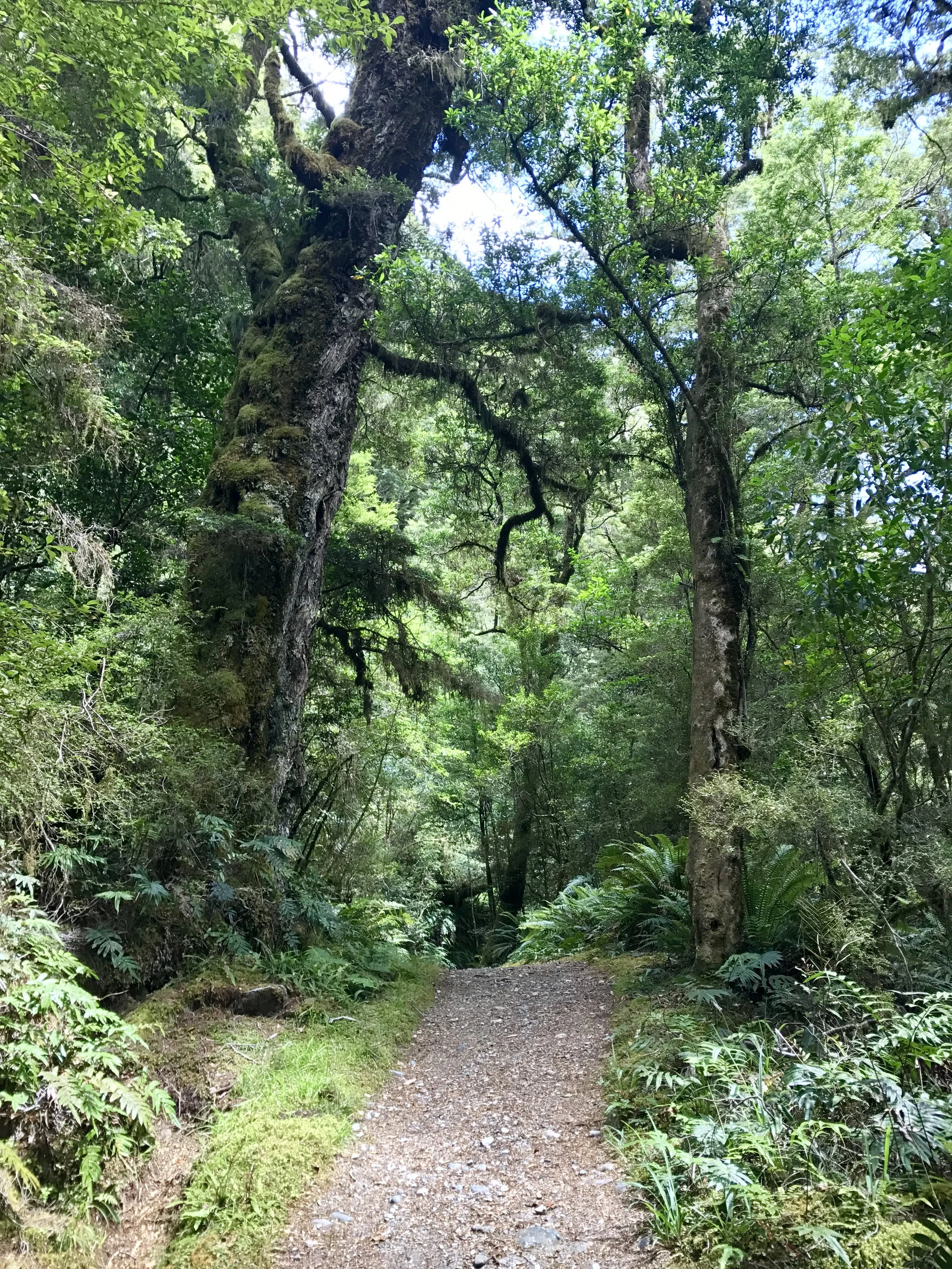
This was one of my favourite days of the trip, one that I’ve revisited in my thoughts time and time again back in New York. I caught the 10:30am ferry from Te Anau Downs to the start of the Milford Track, one of the most spectacular hiking paths in the country. The entire track runs 53.5km one way to Milford Sound (and must be done over 3 days); I hiked about 13km roundtrip, retracing my steps to take the ferry back in the afternoon. Don’t miss the ferry back, as there isn’t another way to get back to Te Anau Downs! Over several hours during peak season, I barely saw a total of 10 other people in what is one of the nicest hiking trails I’ve been on. The trail is wild and varied, passing through beech forest, the glacier-fed Clinton River, wetlands, and alpine terrain. I sat down at an overlook next to the river to enjoy 15 min of silence, and a small South Island robin came to investigate, coming right up next to me. The boat ride back was beautiful as well, with golden hour colours illuminating Lake Te Anau.

Start of the Milford Track, South Island

Start of the Milford Track, South Island

Milford Track

Milford Track

Day 12: Omarama gliding & hot tubs

The following morning, after a leisurely breakfast of farm fresh eggs and local cheese in the garden of my Airbnb overlooking rolling farmland hills, I began the drive towards Lake Pukaki. En route, I saw signs for the Sunday farmers market in Cromwell and stopped by, sampling local cheeses, honey, olive oil, and even cotton candy. I was particularly enamoured of the Ardgour olive oil, a rich green colour with strong notes of pepper, and purchased a travel size to take back with me, as well as some goat milk soap from simplenakedsoap for my Mom back home. There was live music, and the restored Gold rush-era historic part of town was lovely to walk around. That afternoon, I was booked at 3pm for a 60 minute glide with Glide Omarama, a both slightly terrifying and spectacular experience. I got into the narrow glider, in front of my instructor Gavin. The glider is attached via a cord to an airplane, which pulls the glider up to an appropriately fear-inducing height, at which point Gavin detached us, and we were under our own power—and that of the wind. For about an hour, we soared above the cliffs of the nearby mountains, with Lake Pukaki glinting in the distance. Upon request, we did some barrel rolls and sharp turns before lightly touching down. Afterwards, I checked out the Clay Cliffs and enjoyed the smoked salmon chowder at Shawty’s Cafe in Twizel, followed by a glass of wine on the terrace of my Airbnb as the sun set over the surrounding farmland. The area around Lake Pukaki is one of the few designated Reserves by the International Dark Sky Association, making for some spectacular stargazing. And while I didn’t make it, I was sorry to have missed the hot tub experience at Hot Tubs Omarama—they have great reviews. Will just have to go back!

View from the glider

View from the glider

View from the glider

View from the glider

Clay Cliffs, South Island

Clay Cliffs, South Island

Day 13: Hiking near Lake Pukaki

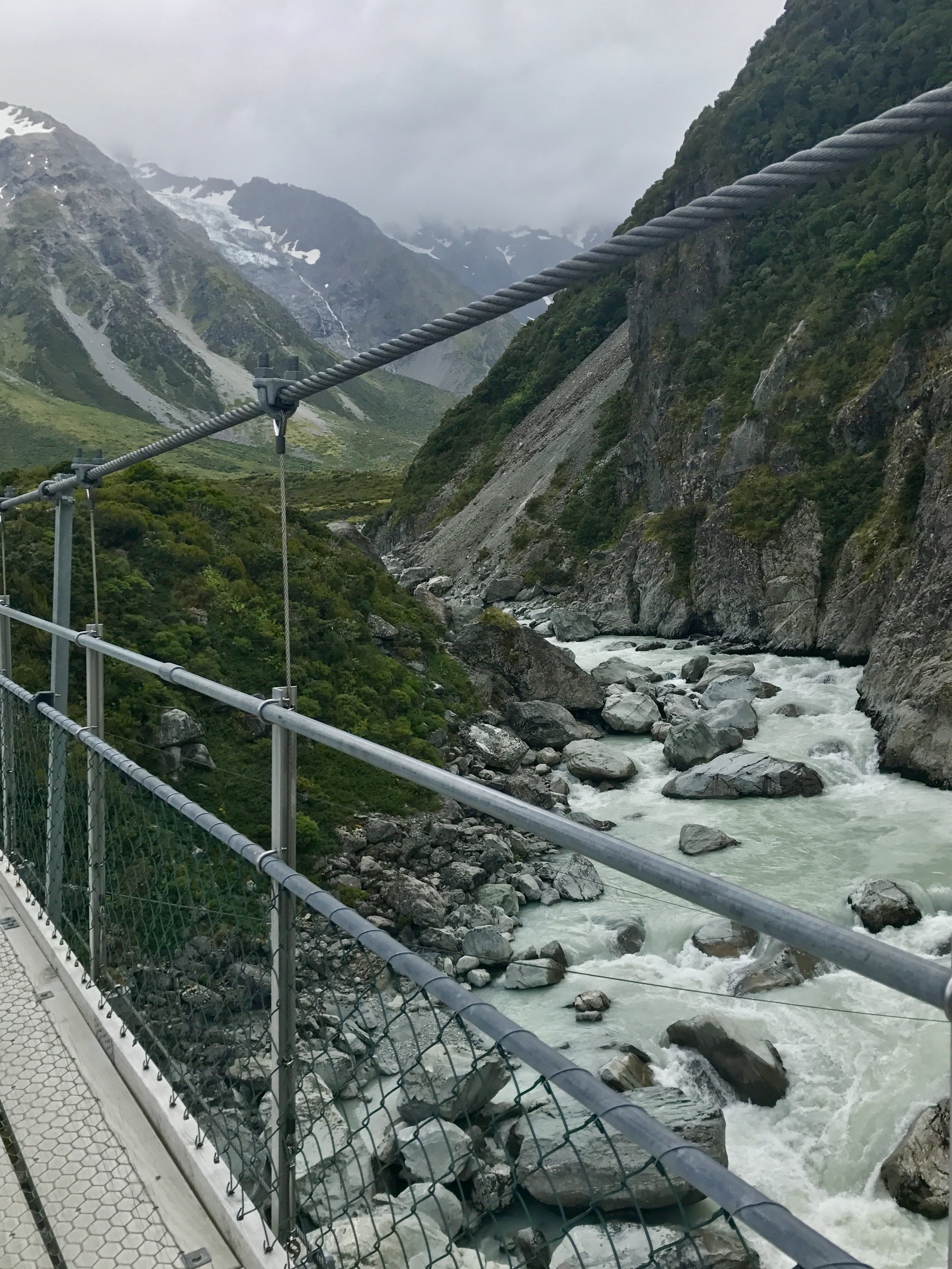
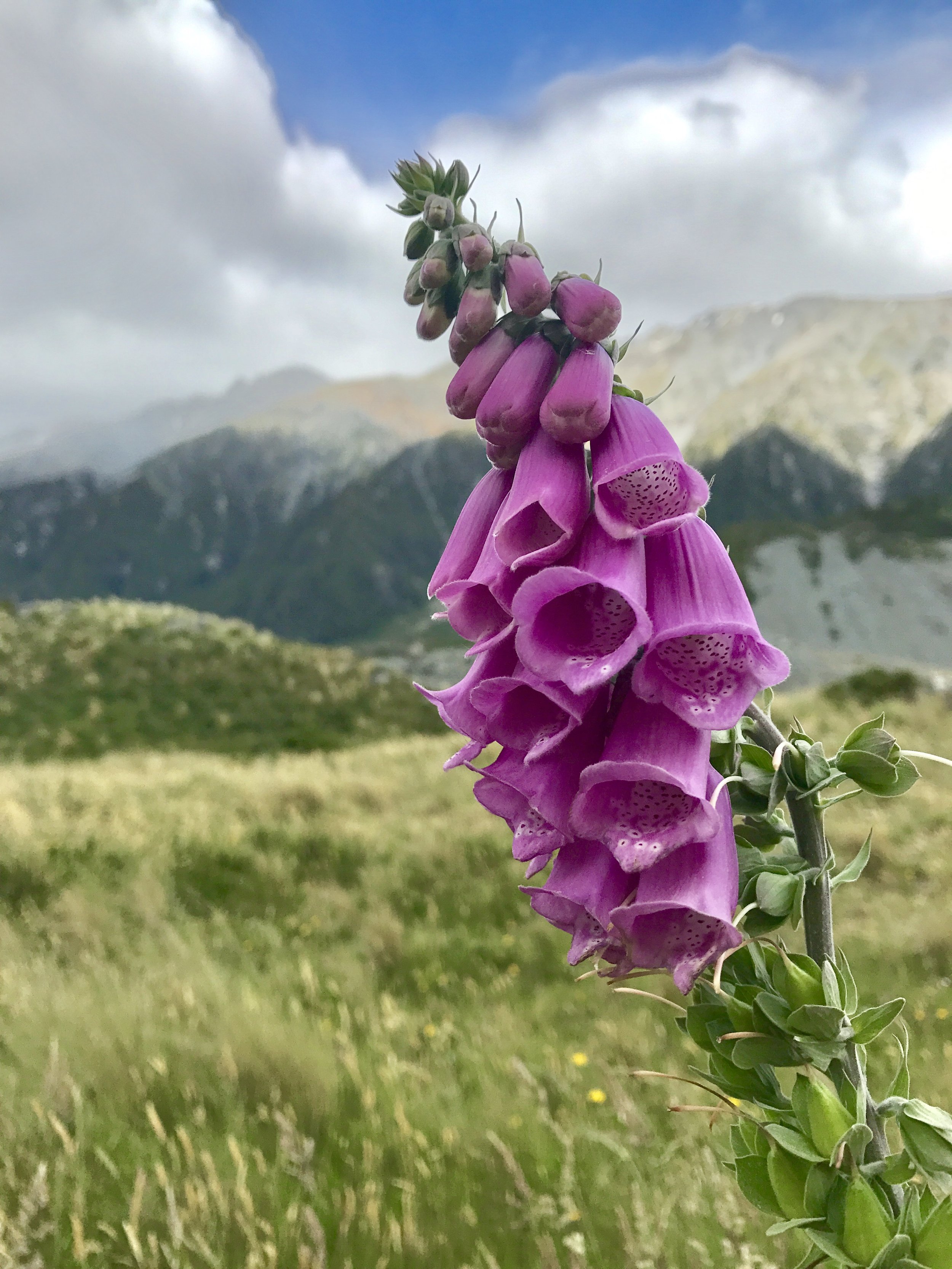
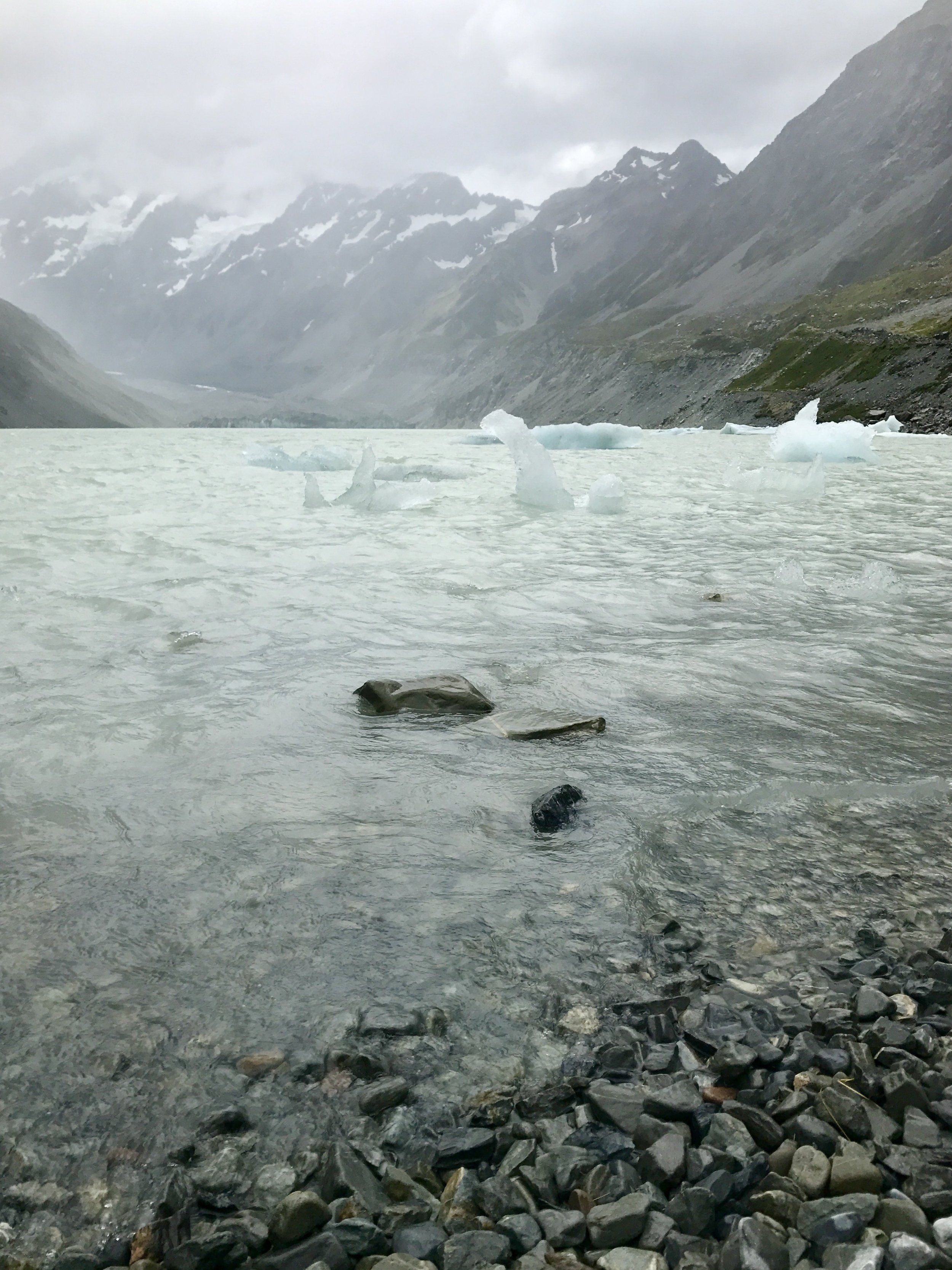
The area around Lake Pukaki and nearby Lake Tekapo is one of New Zealad’s most spectacular and varied, featuring great views of Mt Cook and the surrounding range. After a delicious breakfast feast of freshwater King Salmon sashimi and cold smoked salmon from Mount Cook Alpine Salmon overlooking the otherworldly blue waters of Lake Pukaki, I drove about 40 minutes to the trailhead for the Hooker Valley track (10 km return). I was initially concerned due to the large number of people both in the parking area and on the track, but the track itself along the Hooker River was beautiful, with multiple bouncing suspension bridges, purple bell-shaped mountain flowers, and a glacier lake with small icebergs (!) at the end. Afterwards, I relaxed in the multiple hot springs at Tekapo Springs, splurging to ride New Zealand’s tallest inflatable waterslide and bring out my inner 8 year old. Dinner was at Kohan, a surprisingly good Japanese restaurant overlooking Lake Tekapo. Next door is an outpost of Aotea gifts, where I sampled various types of manuka honey (one of New Zealand’s more expensive—and delicious and healthy—exports) and learned the differences from a very well-informed attendant.

Above, breakfast outside at Mt Cook Alpine Salmon with Lake Pukaki in the background. Below, Hooker Valley Track.

Above, breakfast outside at Mt Cook Alpine Salmon with Lake Pukaki in the background. Below, Hooker Valley Track.

Day 14: Akaroa peninsula penguins

I had originally planned to relax and make my way through a few wineries en route to my Airbnb in Christchurch, but I learned about the Pohatu penguins in Akaroa and could not resist a detour. On a 2-hour nature tour around Flea Bay following a beautiful drive along Route 75, I met rescue penguins and a variety of other farm animals. Pohatu also offers overnight stays and kayaking trips, which I vowed to return for. And Akaroa is a very cute town, ideal for walking and lingering. It was the perfect ending to a full, spectacular and varied trip. One final thing: due to the time change between New Zealand and LA, it’s possible to take a photo at 8am on, say, January 10 in both Christchurch, NZ as well as Manhattan Beach, CA—highly recommended for the fun factor.

What to bring

  • Hiking gear

  • Bathing suit

  • Headlamp

  • Sunscreen

  • Sunglasses

  • Mosquito repellent

  • A very long playlist with good music for the many hours in the car

  • Allergy medicine - depending on where you stay, many Airbnbs have dogs, cats or other animals

Where to stay: Airbnb all the way!

Where to eat & drink

Devon on the Wharf, Auckland (North Island)

Shucker Brothers, Auckland (North Island)

Soul Bar + Bistro, Auckland (North Island)

The Merchant of Lake Taupo, Lake Taupo (North Island)

Shed5, Wellington (North Island)

Crab Shack, Wellington (North Island)

Noble Rot wine bar, Wellington (North Island)

Cable Bay Cafe, Cable Bay (South Island)

Moutere Inn, Upper Moutere (South Island)

Matheson Cafe, Lake Matheson (South Island)

Gin and Raspberry bar, Wanaka (South Island)

Chard Farm, near Queenstown (South Island)

Akarua winery, near Queenstown (South Island)

Amisfield, near Queenstown (South Island)

Redcliff Cafe, Te Anau (South Island)

Shawty’s Cafe, Twizel (South Island)

Kohan, Lake Tekapo (South Island)