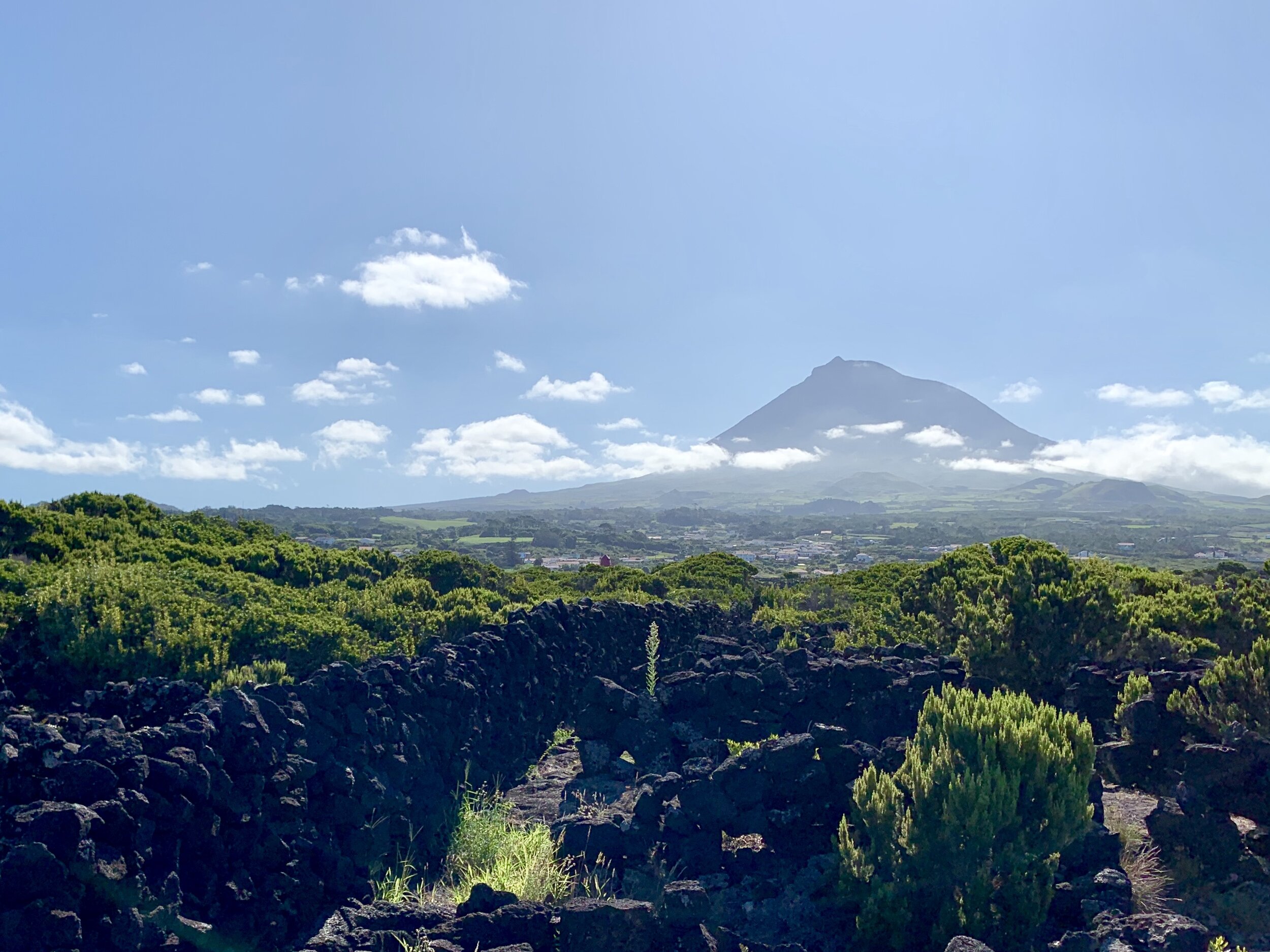
Top

Planting new seeds on Niue

The waves gently hugged the shoreline as Fiafia Rex showed me how to replant coral pieces in new spots with biodegradable rubber bands. A founder of Oma Tafua, or Niue’s Whale Research Team, she, along with other islanders, are doing their part to help counteract the effects of global warming with the replanting of coral and trees. The last major cyclone to hit the island in 2004 caused significant destruction, with water levels reaching over the cliffs well above us, washing away houses along the shoreline, including most of the capital, Alofi. 

But let’s back up a bit. Niue is a self-governing state in association with New Zealand, though it’s actually located nearly 3,000 kilometres to the northeast, roughly halfway between Fiji and the Cook Islands. Largely comprised of limestone cliffs, which have created dramatic cave and chasm formations, Niue is the largest raised coral atoll in the world, making for some beautiful scuba diving in the surrounding waters. Migrating whales visit the island during the winter months, from July to October, and while the summer can bring rain showers and the aforementioned cyclones, it’s also a much quieter time to visit. With a resident population of some 1,500, that may not make much of a difference, but I found myself completely alone on the many hiking trails and hidden gems the island has to offer, a refreshing change of pace from city life. Note that the extensive coral means that most of the shore is relatively rocky, and access is tide-dependent: this isn’t a spot for a beach vacation.

Hio beach, one of the only sandy beaches on Niue

Hio beach, one of the only sandy beaches on Niue

The main road on Niue

The main road on Niue

The only way to reach Niue is by two flights a week from Auckland on Air New Zealand, or by ship should you have the chance. You’ll cross the International Date Line en route, so you can relive the previous day all over again in a new locale. I stayed at the Namukulu cottages, about a 25 minute drive north of Alofi and the airport. Run by Michelle and Ross (along with their young daughter Abby), who purchased the property and moved from New Zealand several years ago, they are a peaceful respite for those who are a bit more independent. I hired a car from them for an additional 40NZD per day, which I would highly recommend, and Michelle was there to greet me at the airport. As I visited during the December holiday period, I also got to meet Michelle’s sons George and Harry, who attend boarding school in New Zealand during the school year. Finally, their dog Ruby was always there to greet me and request ear rubs whenever I returned to the cottages. There’s a pool to cool off in, the vistas over the ocean from the property are fantastic, and my inner child loved jumping on the large trampoline. I also thoroughly enjoyed their custom of having a homemade pizza meal with the family the evening of my arrival.

Talava arches, Niue

Talava arches, Niue

A full loop of the island by car will likely only take you a few hours, but the plentiful places to stop mean you could easily spend days exploring the island. Well-marked signs indicate many points of interest as well as the amount of hiking time required. One of my favourites was a 20 minute walk each way to the Talava arches, a set of natural archways once used as a lookout point for impending invaders. A walk through a tropical forest filled with several species of crab (I spotted coconut, known locally as uga, hermit, and purple and beige land crabs) leads to a stunning cave, and a short climb down (there are ropes in place) reveals the stunning arches. Better yet, the only sounds were those of crashing waves and seabirds singing overhead. I felt at peace.

A resident coconut crab

A resident coconut crab

Hiking on Niue

Hiking on Niue

Equally impressive is the freshwater Anapala chasm, which was once used for bathing and drinking. It’s best to come at midday, when the little light that can enter through the top of the cleft illuminates the hues of pale green and blue in the water. You can swim through to wider chambers further along the chasm, and the coolness of the water makes for a refreshing break from the outside heat and humidity. Fossilised coral forests make for a challenging if rewarding walk before or after at the nearby Togo Chasm. 

Perhaps the most spectacular sights on Niue are below the surface. I went diving with Rami of Magical Niue and his partner Jody and encountered a richly hued world teeming with life. We saw large schools of fish, sea snakes, moray eels, stingrays, and reef sharks. Unfortunately, as is increasingly typical these days, the coral did show evidence of algae growth and bleaching. Rami has started collaborating with university researchers internationally to replant and regrow coral in areas where it has died off, and thus far his efforts appear to be working. Nature can be quite resilient if we do our part. 

Avaiki

Avaiki

Numerous spectacular snorkeling spots abound as well. My favourites were Avaiki (go during low tide so that you can access the pools) and the Limu Pools (accessible at any time of day). Avaiki was the landing place of Polynesians who came to settle the islands, and the name comes from a derivative of Hawaiki, their ancestral home. The Limu pools feature a rich array of fish, crabs, and sea snakes, and you can also access the outer reef through a channel in the northernmost pool should you be feeling more adventurous. 

Limu Pools, Niue

Limu Pools, Niue

Driving around Niue is a cultural adventure in itself. You’ll see numerous graves along the side of the road; Christianity was introduced to the island in the 1800s, and today family members are buried directly on their family land rather than a central cemetery. The Niueans I met along the way were incredibly friendly and relaxed, and it’s local custom to wave to anyone you see as you pass by. One of my favourite local interactions was when the aforementioned Fiafia of Oma Tafua invited me to lunch with her colleagues after our coral replanting session at one of the tastiest restaurants on the island, Falalafa. Over freshly grilled fish and chicken, they recounted the challenges they face as the inhabitants of an island small in size but great in conservational importance due to its pristine natural reserves. If you’re looking for a true getaway, Niue is for you.

Niuean sunset

Niuean sunset

Where to stay

Note that there are just a few options given the size of the island. I stayed at the family-run Namukulu cottages. There is also a hotel on the island, the Scenic Matavai resort, but I found it to feel impersonal when I visited for dinner, and the food unfortunately left much to be desired.

Where to eat

Falalafa for lunch or dinner (the fish & chips are particularly good)

Crazy Uga for a quick bite or morning coffee (note that they close after lunch)

Violama for light bites and cocktails (they run a happy hour with live music on Thursdays)

Gills Indian restaurant for their $5 lunch special

Packing list

Hiking shoes (the sharp coral makes flip flops a poor choice)

Water shoes

Bathing suit

Snorkel gear

Scuba gear & certification card

Light layers

Rain jacket

One last note: keep in mind that this is a very remote island, and as such, everything is relatively expensive. It’s not uncommon to bring some of your own food and supplies from New Zealand, being mindful of customs regulations. On the day of your arrival, you may purchase alcohol (beer, wine, and spirits) duty-free at the liquor store near the airport, next to the island’s main supermarket, Swanson.
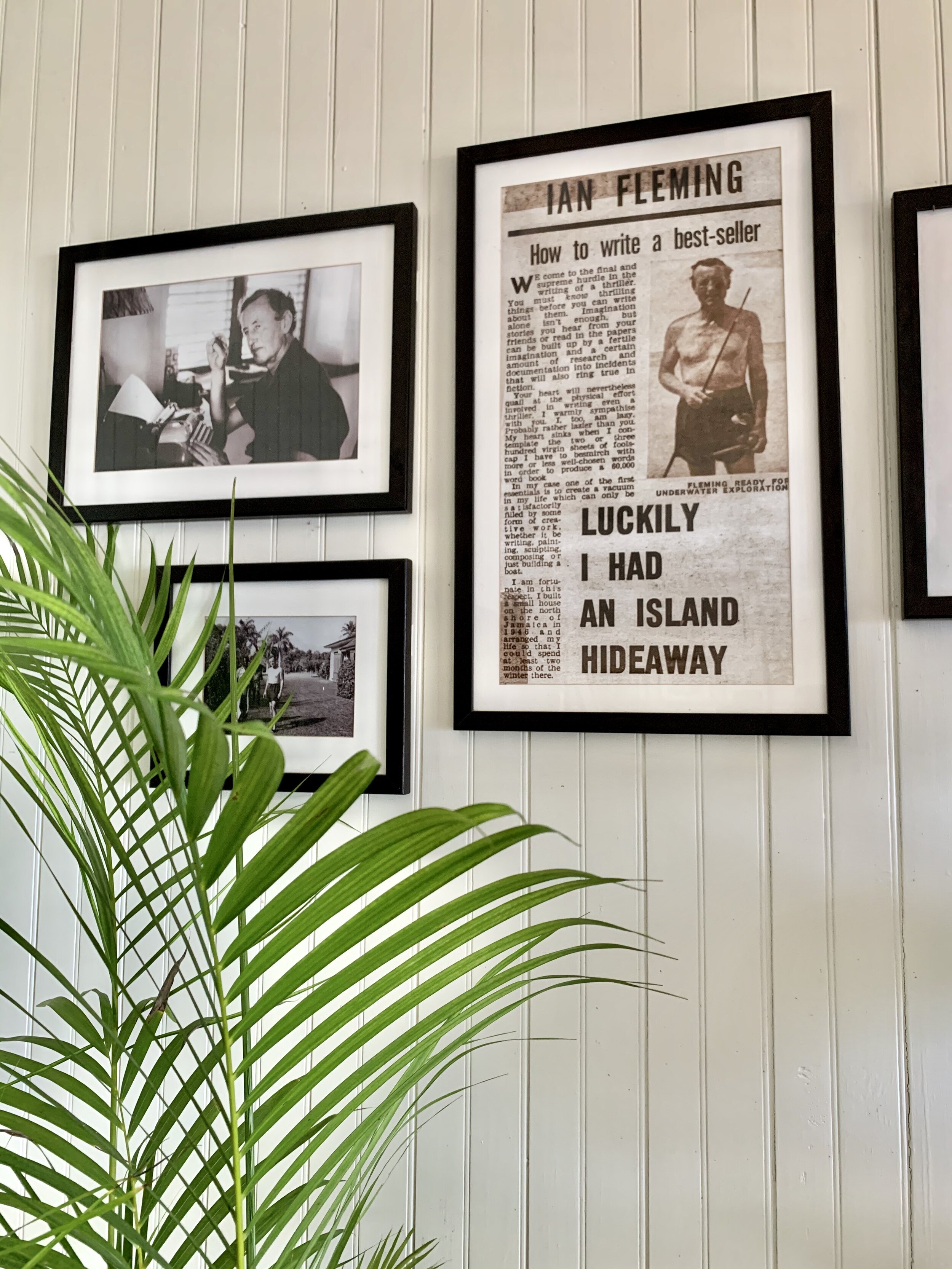
In Ian Fleming's footsteps

Perhaps best known as the creator of James Bond, Ian Fleming was an enigmatic character himself. Stationed on Jamaica during a stint in Britain’s naval intelligence service, Fleming fell in love with the island and vowed to return. He bought a plot of land on the island’s north coast, in the town of Oracabessa, where he built the villa that would be the birthplace of the fiction world’s most notorious spy. Today, the villa and a few dozen one-bedroom cottages form the Goldeneye resort (named after Fleming’s original mission). 

Ian Fleming at Goldeneye

Ian Fleming at Goldeneye

Welcome drinks at Goldeneye

Welcome drinks at Goldeneye

We were greeted with a frozen rum & pineapple welcome drink at the resort’s bar, overlooking the rather wild and rocky coast. Our cottage was well-located between two of the resort’s beaches in the midst of tropical plants and singing birds, and there was a complimentary bottle of rum from Chris Blackwell, the current owner of Goldeneye and the founder of Island Records, which was instrumental in the commercial success of reggae music worldwide. On our first evening, the resort organised a happy hour with several complimentary rum-based cocktails that put everyone in the best of spirits. 

Each morning, following 17F’s (Ian Fleming’s code name) favourite breakfast of scrambled eggs on toast accompanied by reggae music, we walked along the beach to the eponymous saltwater Goldeneye pool, open to the Caribbean splashing on the rocks and into the pool. Shaped as an eye, this quickly became my favourite spot, and I whiled away hours alternating between reading and gazing at the sea. 

The Goldeneye pool

The Goldeneye pool

Breakfast reggae at Goldeneye

Breakfast reggae at Goldeneye

Kayaking and stand up paddleboarding are offered free of charge, and we took out a kayak to the nearby James Bond beach, where Dr. No with Sean Connery was filmed in 1962. The beach was full of locals barbecuing, teens posing for selfies, and children splashing in the shallows, and we felt right at home. We decided to forego the beach barbecue back at Goldeneye in favour of some local fare, so we drove into town. Chris’s in Oracabessa had just the ticket on the menu: fried chicken, which we enjoyed back on the beach while listening to the roar of the crashing waves.

Kayaking near Goldeneye, Oracabessa

Kayaking near Goldeneye, Oracabessa

Local posing for photos at James Bond beach

Local posing for photos at James Bond beach

We also spent a couple of nights by the beach in Negril, in Jamaica’s western end, for comparison. The beach there is long, and unlike Jamaica’s north coast, there are no rocks or reefs as you enter the water, making for easy swimming well suited to families or young children. We picked up a Jamaican rum cake at the local supermarket and watched as the sun dipped into the water. Our best meal of the trip was to come later that evening at The Lodge restaurant at Tensing Pen, where we tried the Jamaican specialties of ackee (poisonous if not properly prepared!—quite the adventurous national dish) and jerk chicken, as well as crusted snapper. All were excellently prepared, but the snapper was the standout, gently cooked so that flakes peeled off as soon as it was touched. 

Driving from Kingston to Negril

Driving from Kingston to Negril

Sunset, moon and planets from Rick’s Cafe, Negril

Sunset, moon and planets from Rick’s Cafe, Negril

Another spot well worth a visit is Rick’s Cafe, further south along the coast. Go in the afternoon to test your appetite for risk at jumping points of different heights along the cliff, from which you plunge into the warm sea below. Perhaps you will be lucky enough to see resident ninja Spider, who regaled us with jumps from the highest platform that would not have been out of place at the Olympics. The place was packed on a late November afternoon, with a live band playing reggae classics and sungoers downing Rick’s punches as the sun went down. We stayed and danced until evening settled, and the cafe emptied out until the next day, when the same spectacle would repeat. 

The view from Strawberry Hill

The view from Strawberry Hill

Unfortunately, many of Jamaica’s other natural wonders, such as YS Falls and Dunn’s Falls, are hidden behind $25 USD admission fees. That price begs a several hours-long commitment, so if you’re like me, and hoping to arrive early or late to avoid the crowds, you’re out of luck. Instead, en route back to Kingston to catch our flight, we stopped at the Strawberry Hill Resort to enjoy the spectacular views over a drink. The climate is notably cooler, and the rain-fed vegetation even more lush. Be warned that the road from Kingston is a narrow and curvy one (ignore Google Maps’ impassable recommended shortcut route and ensure you stay on the main road), made worse by the form of driving practiced in the country. It’s a free for all: cars drive at full speed in the middle of the road, and often it’s left up to you to get out of the way. At night, the majority of drivers leave their long beams on the entire time, blinding each other in a crazy game of chicken. 

Perhaps, behind the wheel of James Bond’s Aston Martin DB5 from the film Goldeneye, I would not have minded in the least. 

Sunset from Strawberry Hill

Sunset from Strawberry Hill

In the land of stones, spices and spirits

In a recent op-ed in the New York Times, Martin Scorsese writes that cinema is “about revelation—aesthetic, emotional and spiritual revelation,” and the best films are the ones that take risks to engage, excite and thrill the audience. I was reminded of his words over lunch last week at Pitiona restaurant in Oaxaca, Mexico, where I ate perhaps my favourite meal of the year. The menu features a wide range of dishes, and I wanted to try every single one. Chef José Manuel Baños combines local ingredients such as tasajo (a cut of beef), grasshopper and amaranth with a flair for unusual, unique combinations that delight the palate. Over a spectacular meal of passionfruit ceviche, guacamole with crickets and tasajo, chickpea mushroom soup, arroz milpa with duck chicharron, and snapper with leek foam, I reflected that Scorsese’s words can be aptly used to describe the culinary arts as well. What more could you want? A spectacular view overlooking the baroque, green-hued Santo Domingo church. Yes, there is that, too.

Passionfruit ceviche masterpiece at Pitiona restaurant

Passionfruit ceviche masterpiece at Pitiona restaurant

Pitiona restaurant, Oaxaca

Pitiona restaurant, Oaxaca

Street scene in Oaxaca

Street scene in Oaxaca

Hot chocolate at Mayordomo

Hot chocolate at Mayordomo

We ate another memorable meal at Alfonsina (cash only, reservations required), on the outskirts of Oaxaca city, located by a courtyard the owner-chef shares with his neighbours. Five courses (including a dessert course) are served at a communal table. Among the dishes we were treated to were a flavourful corvina ceviche in a sesame-based sauce, and, later, the same fish cooked in a spicy mole sauce. We walked off lunch around the Zócalo, Oaxaca’s main square, over which the Cathedral prominently soars, and checked out local arts and crafts in the nearby markets. The Zócalo is also a great spot for people watching while sipping on a local hot chocolate at Mayordomo (get the one with no added sugar with milk as a base), which you can also bring home with you. 

Mitla

Mitla

Stonework details at Mitla

Stonework details at Mitla

Monte Albán

Monte Albán

Textile museum in Oaxaca

Textile museum in Oaxaca

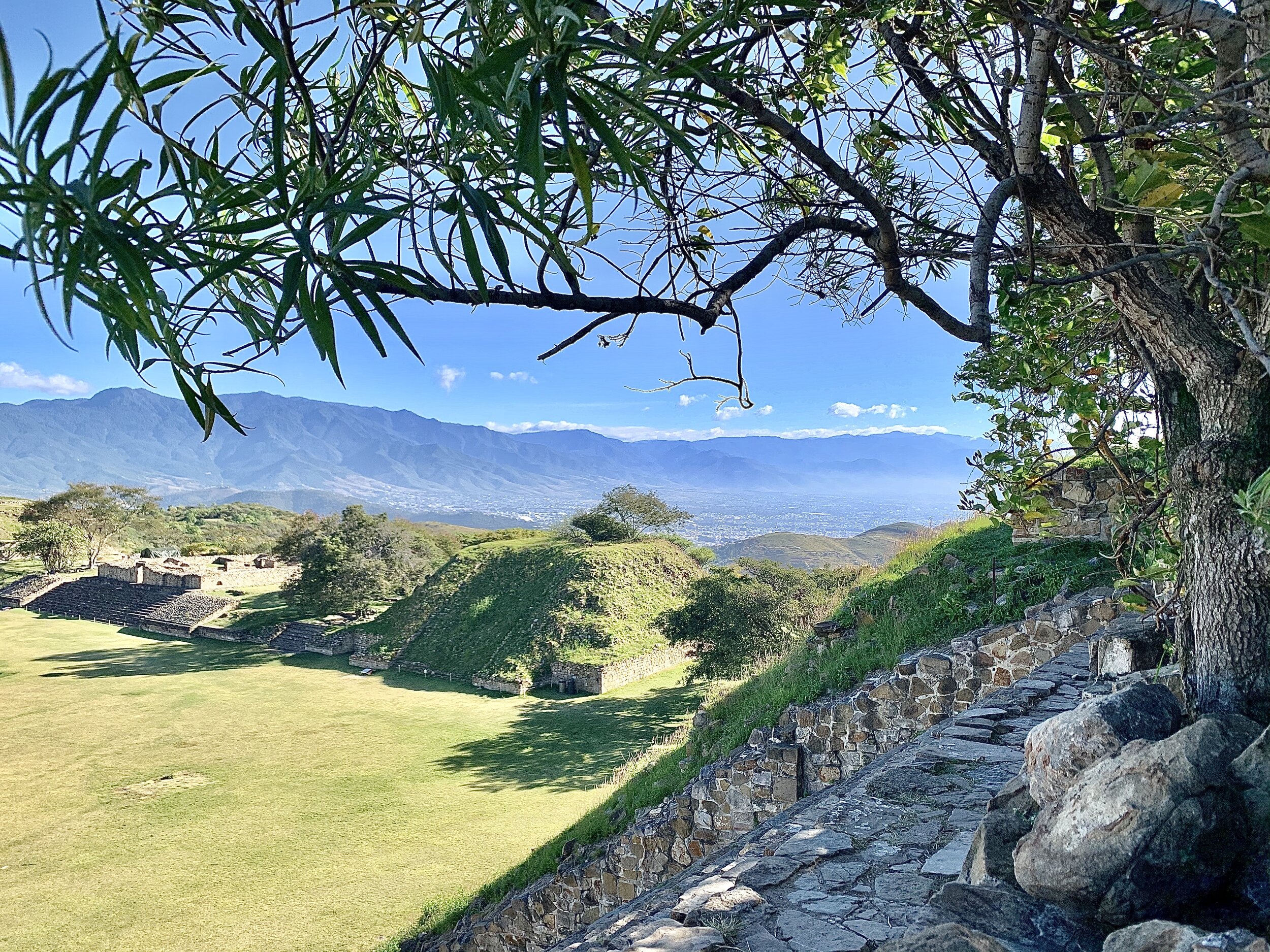
When not eating, Oaxaca’s vibrant culture and history will easily fill up several days, if not weeks. Don’t miss the aforementioned Santo Domingo church, and the Textile Museum was well worth a stop. Skippable is the small botanical garden, which forces you on a painfully slow, two-hour tour to view the resident plants. We particularly enjoyed contrasting the neighbouring Zapotec sites of Mitla and Monte Albán. The former is small, easily seen in the span of an hour, and features intricate stonework that does not use any mortar. It is impressive how well-preserved many of the structures are. Monte Albán, on the other hand, is a sprawling site, less focused on the details of the stonework and more so on the layout and community that once thrived there. Wandering among the temples, some dating as far back as 2,500 years ago, you sense how small our presence is in the wider span of history. What will human civilisation be like 2,500 years hence? We pondered this and other questions over drinks at Selva, a newly opened mezcal-focused cocktail bar, back in the city. The vibe is jungle chic, the staff are incredibly friendly, and the drinks were so flavourful that one quickly turned into three. 

Hierve el Agua

Hierve el Agua

Hierve el Agua pools

Hierve el Agua pools

Another pool at Hierve el Agua

Another pool at Hierve el Agua

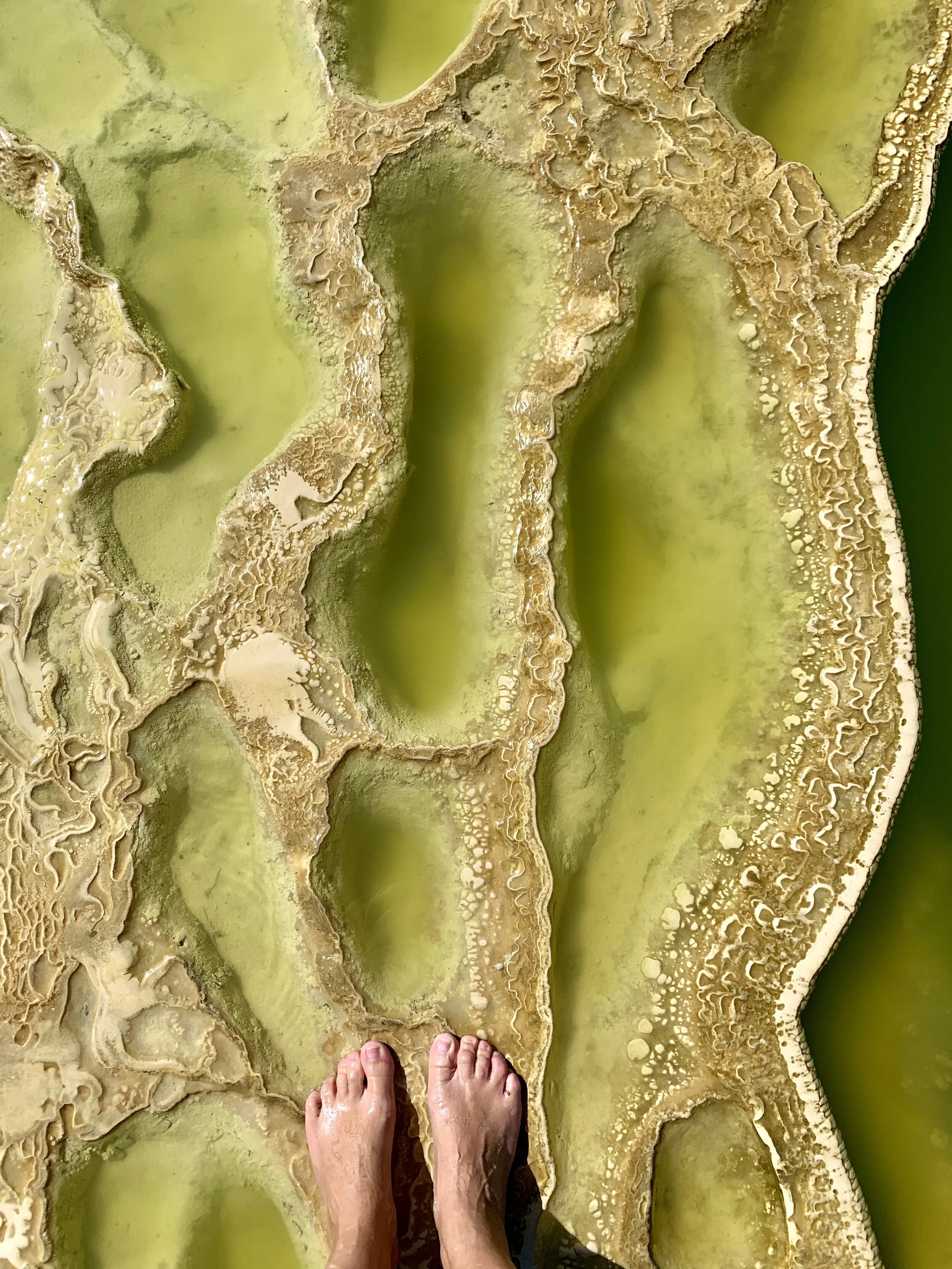
One of the most stunning sites in the area is made by nature rather than humans: Hierve el Agua, a set of calcified waterfalls and small, vibrantly coloured pools in various hues of green, yellow and blue. The formations are deposits of calcium carbonate and other minerals that remain from previous waterfalls, a similar process to the creation of stalactites in caves. We arrived when the site opened and were lucky enough to have it largely to ourselves for about 45 minutes, during which we staged a photoshoot of Instagram-worthy calibre. Best of all, you can take a dip in the pools, refreshing when outdoor temperatures climb quickly with the exposed sun. Should you want to stay in the area (it’s about a 2 hour drive back to Oaxaca), I highly recommend our Airbnb in Mitla (walking distance to the ruins). It’s run by a young family and features a large pool and patio, a cactus garden, a vinyl record player (and records), striking sunsets, and spectacular stargazing, at roughly $60 USD/night. Our only regret was not staying longer.

Our Airbnb in Mitla

Our Airbnb in Mitla

Playa Zipolite

Playa Zipolite

For those that have more time, I’d recommend renting a car to travel further afield. We enjoyed the curvy mountain road between Oaxaca and Puerto Ángel, which climbs and climbs through the mountains, giving you stunning views over the surrounding range. We also passed through the town of San José del Pacifico, known among tourists for its temazcal rituals (basically a mud sweat lodge) featuring locally picked magic mushrooms (the season runs from June to September). Once you hit the coast, you’ll be rewarded with long stretches of beach featuring nudists (at Playa Zipolite) or surfers (at Mazunte or Puerto Escondido). I’d recommend lingering (one-way car rentals are offered by Puerto-Escondido based U-car) to sink into the slower pace of life here. We had a fantastic dinner at the Italian-run Bacco, featuring homemade pastas and fresh, locally-sourced toppings for pizzas, fish and meats. At night, should you visit around the time of a full moon, which we luckily did, you’ll see bioluminescence in the ocean as you watch the waves crash on the beach. It’s the perfect end—or beginning—to a spiritual and cultural journey through this most fascinating of Mexican states.

One of hundreds of striking courtyards in Oaxaca

One of hundreds of striking courtyards in Oaxaca

Where to eat & drink

Pitiona, Oaxaca

Alfonsina, Oaxaca outskirts

Mayordomo, Oaxaca

Selva, Oaxaca

Bacco, Playa Zipolite

Where to stay

Airbnb in Mitla

In search of rhythm in Cape Verde

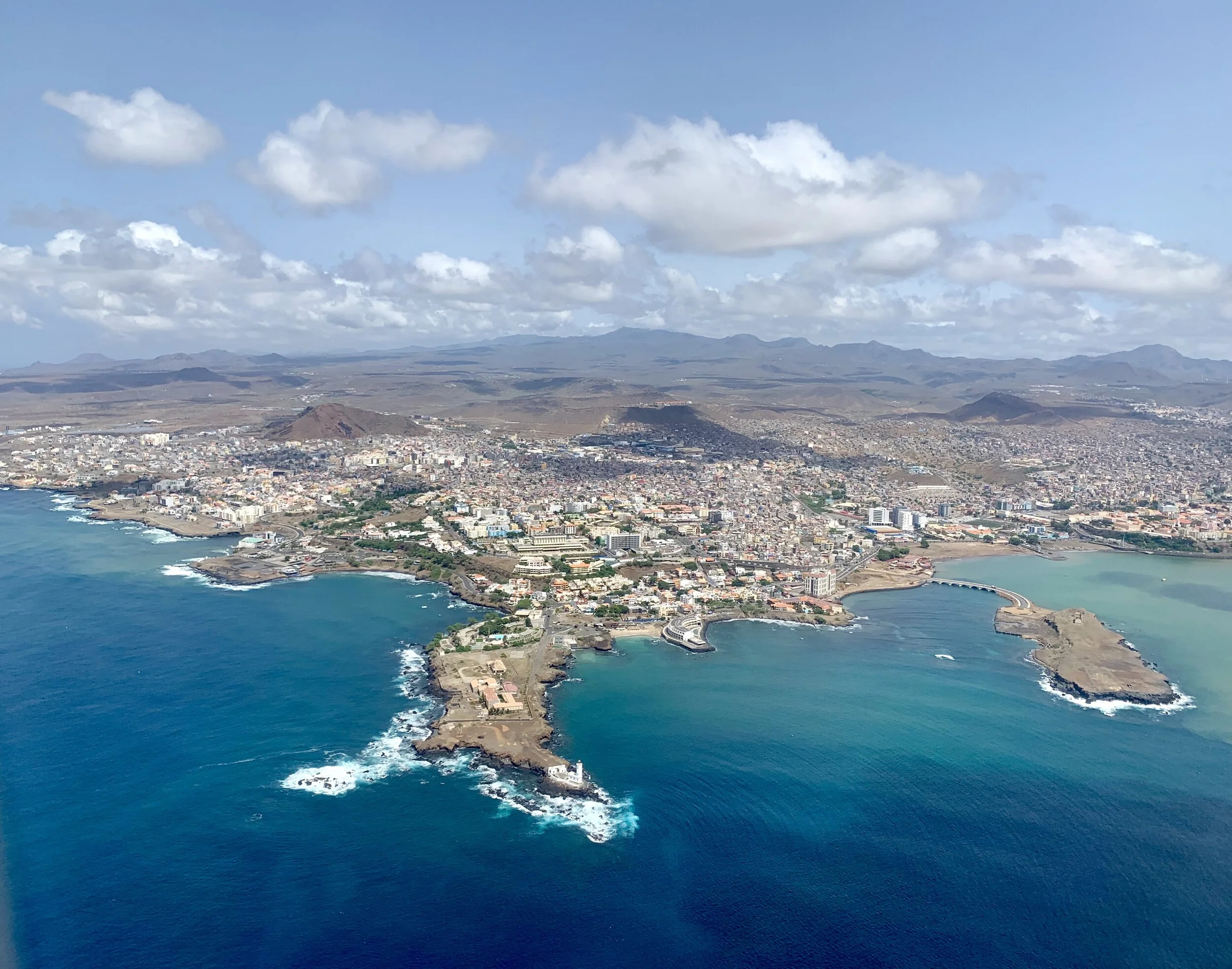
“Where is Cape Verde?,” you might ask, and you would not be alone. Located a few hundred miles off the coast of Senegal, this set of volcanically formed islands is on few travellers’ radars. The country is also relatively hard to reach - direct flights run from either Lisbon or Ponta Delgada in the Azores, though fares are typically priced very reasonably. Geologically similar to the Azores, Cape Verde also has a Portuguese colonial history, achieving independence in 1975. Portuguese is spoken, as is Creole, with occasional English. 

Praia from the air, Cape Verde

Praia from the air, Cape Verde

But this is a very different place than the Azores. You are no longer in Europe, but in Africa. Upon landing at Praia, I encountered a set of taxis waiting in front of the airport, charging a hefty 1,000 escudos ($10) for the 5-7 minute drive into the city. I declined, as I would have a night in Praia at the end of my trip, and opted to wait the four hours before my next internal flight at the airport cafe. 

I was headed to São Vicente, the home of famed singer Cesária Évora, and the musical and cultural capital of the islands. Binter CV Airlines makes the trip, and on approach to São Vicente, a small church dramatically perched on rocky cliffs appears off the left side of the plane as you touch down 50 minutes later. I’d rented a car from Dyrk, and Emerson, the nephew of the owner, met me at the small airport. He was kind enough to stay with me as we sought to locate Georgette Guesthouse, on the fifth floor of a relatively modern apartment building overlooking the man-made but incredibly striking Laginha beach. The guesthouse’s stunning balcony, spacious rooms and hearty breakfast made it the perfect place to stay in Mindelo. 

View of Laginha beach from Georgette’s guesthouse in Mindelo

View of Laginha beach from Georgette’s guesthouse in Mindelo

After settling in, I went for a quick dip in the ocean, eyeing the island of Santo Antão in the distance, where I would head the following day. But first, food. I had a delicious octopus dish at Kalimba beach club, located directly on the beach, with incredibly friendly staff, followed by my first time trying percebes (goose neck barnacles, which are notoriously difficult and dangerous to gather) at Casa Cafe Mindelo. Percebes taste of the sea, with a texture similar to soft clams. Restaurants in Mindelo frequently feature live music from local bands and artists, and music videos of Cape Verdean artists looped for hours in the city’s cafes. The vibe is vibrant and energised in the most laid back way, so that time flows fluidly, and nothing is ever rushed. This is island life, after all.  

The interior road on Santo Antão

The interior road on Santo Antão

The next morning, I took the ferry (along with my rental car) to Santo Antão, perhaps the most beautiful of the three islands I visited on this trip. The ferry arrives in Porto Novo, which is unremarkable except as a place to get supplies at a local mini-market, or for a fish dinner at the Italian-run Ristorante La Lampara. Take the interior road, a great source of pride for Cape Verdeans, which was hand-paved in granite stones several decades ago over the course of several years to reach Ponta do Sol at the other end. The vistas en route are simply otherworldly: fast-moving fog enveloping lush greenery, steep mountain passes, and locals going about their daily lives watching you as you drive by. I found myself gasping aloud in my car at the sheer beauty. There are also aluguers, or local collective minivans, that drive these routes, but I preferred to have my own car to maintain the freedom to stop when I wanted. As I encountered few other cars along the route, frequent stops for breathtaking views and photos were easy. On a couple occasions, locals approached me for a ride to the next village, and I happily obliged. Even as a solo female traveller, I never felt unsafe - ridesharing is simply a part of the culture, and it led to several interesting conversations and encounters. My Portuguese is basic, but I gave a ride to a papaya grower going to market who left me one as a gift, a schoolgirl who spoke fluent French and was curious about what I was doing in her country, and an elderly gentleman who was going to visit family in a neighbouring town. Yes, I did receive my fair share of stares most everywhere I went, but I ascribe that to the novelty of a solo female traveller in these parts.

View of Covo, the interior crater on Santo Antão

View of Covo, the interior crater on Santo Antão

The mountainous interior of Santo Antão

The mountainous interior of Santo Antão

Once you reach Ponta do Sol, I highly recommend walking the road to Fontainhas (you reach it by heading left after the highest church in town; ask any of the locals), or driving if you’ve got a 4x4. The vistas are striking, and Fontainhas is something of its own world. I made the trek a couple of hours before sunset, and the colour palette was quite unlike anything I’d seen before. As with most places in Cape Verde, I encountered fewer than five other tourists en route.

The road to Fontainhas

The road to Fontainhas

I took the easier (and sometimes paved, thanks to a recent collaboration with an Italian construction company) coastal road to return to Porto Novo, spending the night en route at an Airbnb near Paul, in the village of Pombas. In the waning hours of the afternoon, I strolled by Senhor Ildo’s grog (a local sugarcane liquor) distillery to sample some of the local products and learn about how they are made. In the morning, a sausage and egg cachupa (the national dish, typically a slow-cooked stew of various meats and vegetables) took some time but was a tasty base for the day at Casa Maracuja.

A grog distillery near Paul, Santo Antão

A grog distillery near Paul, Santo Antão

Cachupa at Chez Loutcha, Mindelo, São Vicente

Cachupa at Chez Loutcha, Mindelo, São Vicente

Upon my return to Sao Vicente, I decided to check out Salamansa, a small fishing village on the island’s north coast made famous by a Cesária Évora song by the same name. There’s a small creperie right on the beach, and you can hire kitesurfing equipment should you find yourself there in winter months with higher winds. Baia das Gatas was largely skippable, but driving further east, with dramatic views en route, you’ll reach the rockier stretches of Calhau, where the road ends. Further south lies the sprawling sandy expanse of São Pedro, perhaps the nicest beach on the island. Circle back to Mindelo for dinner at Chez Loutcha (be sure to try the cachupa and the canja de galinha, a hearty take on chicken soup) followed by a nightcap at the Clube Nautico.

The road between Salamansa and Calhau, São Vicente, Cape Verde

The road between Salamansa and Calhau, São Vicente, Cape Verde

On my final day, after flying back to Praia, I chose to explore the capital on foot from my base at my Airbnb in Plateau. Plateau is pleasant enough, and you can walk through the local market as well as by the Presidential Palace. But I would not recommend walking on foot into the central part of town from here: this was the first and only time I felt unsafe in the country, as I encountered solo or pairs of males who made unpleasant comments as I passed, and the general state of affairs was very run-down. I made it on foot to the local monument to Pope John Paul II, who visited the country in 1990, and in whose honour there is both a cross and a statue that serves as something of a local gathering place for all. Although I am not personally religious, visiting this site was personally touching given the Pope was Polish, and I felt a common ground that unites people around the world, despite their many differences. Cape Verde is not an easy place to visit, but it is all the more rewarding for that very reason.

Mindelo, Sao Vicente, Cape Verde

Mindelo, Sao Vicente, Cape Verde

Packing list:

  • Hiking clothes & shoes

  • Rain jacket

  • Mosquito repellent

  • Bathing suit

  • Sunscreen

Where to stay:

Georgette Guesthouse, Mindelo, Sao Vicente

Paul Airbnb, Santo Antao

Praia Airbnb, Santiago

Where to eat and drink:

Kalimba beach club, Mindelo, Sao Vicente

Casa Cafe Mindelo, Mindelo, Sao Vicente

Chez Loutcha, Mindelo, Sao Vicente

Bar Creperie Chez Zoe, Salamansa, Sao Vicente

Ristorante La Lampara, Porto Novo, Santo Antao

Casa Maracuja, Paul, Santo Antao

Nice Kriola, Praia, Santiago

The Azores: lush, dramatic and unspoilt

With Delta offering nonstop flights (May-September only) from JFK to Ponta Delgada, now is the time to travel to the Azores, a set of nine volcanic islands in the middle of the Atlantic, some 1,000 miles west of mainland Portugal. Featuring a temperate climate, the isles are rarely particularly hot or cold, and they receive a fair amount of rain, typically in shorter, passing bursts, mostly in the mountainous interiors. Each island was formed at a different point in history, leading to dramatically different landscapes. Pico, the youngest island, is nearly all black, with bright green spots of grapevines pushing through the volcanic soil. São Miguel, the largest island, was formed over the course of millions of years, and features impossibly blue and green crater lakes and lush greenery. 

The view from Miradouro da Grota do Inferno

The view from Miradouro da Grota do Inferno

We spent three days on São Miguel (four is probably the right amount of time), renting a car (a must to get to see the island) and frequently stopping en route. One of the highlights of any visits is the short walk up to Miradouro da Grota do Inferno, which offers a fantastic vantage point over the village of Sete Cidades and the surrounding blue and green crater lakes. Local legend has it that a princess fell in love with a shepherd boy, and the King forbade their marriage. They met one last time to embrace and cry, and as the princess’s eyes were green and the boy’s eyes were blue, the two lakes formed in those colours.

Mosteiros beach

Mosteiros beach

Sizzling limpets (lapas) at Restaurante Gazcidla, Mosteiros

Sizzling limpets (lapas) at Restaurante Gazcidla, Mosteiros

From there, we checked out the natural thermal pools by the ocean’s edge at Ponta da Ferraria. Wear close-toed shoes to hike across the sharp lava fields to the small natural pools that combine the cool ocean with the natural heat from the sulfurous hot springs. Afterwards, enjoy a lunch or dinner of the day’s catch of fresh fish and sizzling limpets (“lapas”) covered in garlic butter and lemon at Restaurante Gazcidla in nearby Mosteiros. The black sand beach here makes the ocean more accessible for a quick swim in the summertime. 

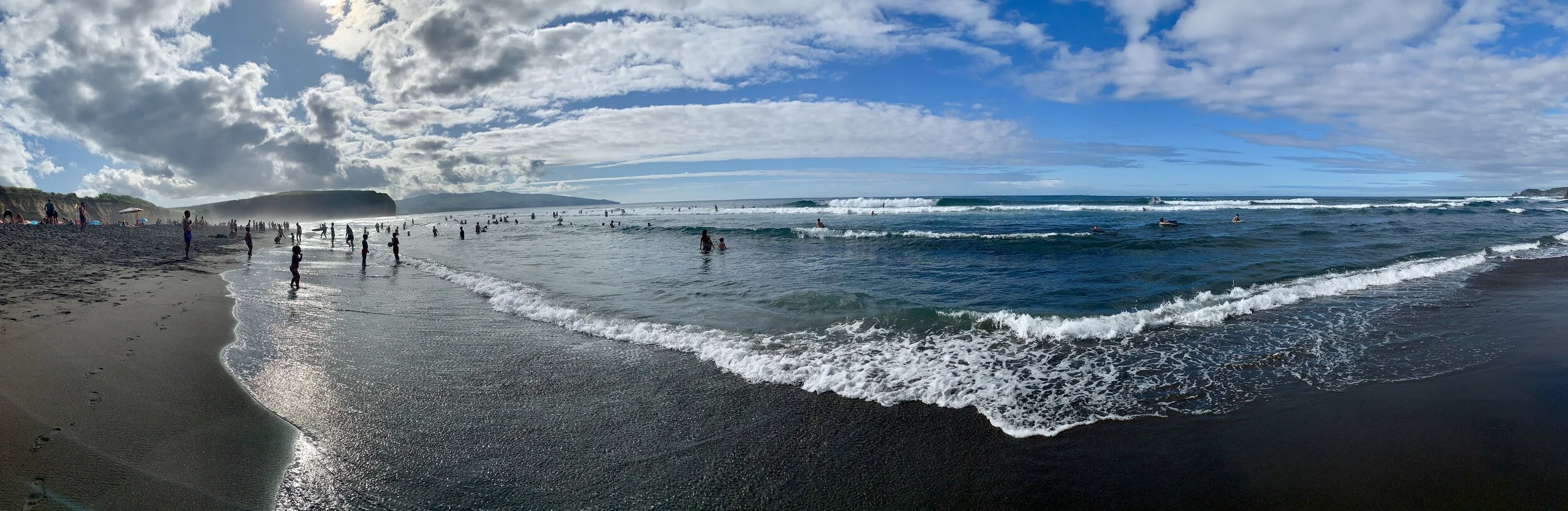
The northern coast has some of the nicest beaches in São Miguel. Perhaps my favourite is the surfer haven of Praia do Areal de Santa Bárbara, where you will find a surf center and various options for rentals and lessons, as well as the oceanside Tuká Tulá bar and restaurant (reservations recommended for dinner), featuring some of the best limpets of the trip as well as cocktails with local gin and rum. The beach itself is a long stretch of black sand with multiple layers of breaking waves, perfect for swimming, surfing or bodyboarding. Afterwards, enjoy a steak dinner (the local meat is known for its rich flavour) at the Restaurante da Associação Agrícola de São Miguel, or stop for fresh fish and shellfish at Alabote Restaurante in coastally scenic Ribeira Grande. Nearby, you can also sample some of the local liqueurs (passionfruit is a particular favourite) at Ezequiel Moreira Silva & Filhos or Mulher de Capote in Ribeira Grande.

Praia do Areal de Santa Bárbara

Praia do Areal de Santa Bárbara

Municipal pool at Ribeira Grande

Municipal pool at Ribeira Grande

Cozido das furnas

Cozido das furnas

Perhaps the most interesting place to visit on São Miguel is Furnas, an area of high thermal activity, with several natural hot spring pools as well as sulfurous, steamy fissures. One of the typical dishes of the Azores, cozido das furnas, is made here. The dish is a meat and vegetable stew that is placed a few feet underground and cooked by the natural heat in the area. One of the best places to try it (and to stay the night) is the Terra Nostra Garden hotel, which offers it a la carte or as part of a 3-course menu at its beautiful restaurant overlooking the hotel gardens. By dining at the restaurant, you’ll also receive passes for free entrance to the hotel’s park and hot springs (normally a cost of 8 EUR/person), which are a great place to spend the afternoon. 
One of the Terra Nostra thermal pools

One of the Terra Nostra thermal pools

Afterwards, don’t miss the view from Miradouro do Pico do Ferro, a vantage point with a view of the Furnas lake and the place where the restaurants dig in their cozido pots (to go there directly, arrive by 12pm, and be prepared to pay a few euros a person to gain access to the grounds). 

Salto do Cabrito

Salto do Cabrito

Hiking on São Miguel

Hiking on São Miguel

To cool off, we went for a swim at the Salto do Cabrito, an impossibly scenic waterfall that has carved its path through the surrounding rock. Don’t be afraid to drive all the way down the road, which can be a bit steep, to shorten your path to the falls, and bring water shoes, as getting into the falls is rocky and slippery. Not swimmable, but also beautiful, are the waterfalls at the Parque Natural dos Caldeirões, from where you can do numerous hikes as well as abseiling and canyoning. Follow it with a free introduction and sampling of the tea at the Porto Formoso tea factory along the north coast, and stop off at the Miradouro de Santa Iria for sweeping views of the northern coastline.

Miradouro de Santa Iria

Miradouro de Santa Iria

Pineapples growing on the Arruda plantation

Pineapples growing on the Arruda plantation

Ponta Delgada

Ponta Delgada

Mercado da Graça, Ponta Delgada

Mercado da Graça, Ponta Delgada

Ponta Delgada, the Azores’ largest town, has a relatively walkable center, but is otherwise not particularly pedestrian friendly, and it has a severe parking shortage. We dropped by O rei dos queijos to try (and buy) some Azorean cheeses and bolos, the local bread, and checked out the fruits and vegetables for sale at the Mercado da Graça next door. On the outskirts of town, Ananases A Arruda is a pineapple plantation (an important local product) where you can view the different stages of pineapple farming and sample them in various formats at the onsite cafe. 

We also visited two other islands, Faial and Pico. The best way to reach either is to fly via Azores Airlines (50 minutes), taking the ferry to get between Faial and Pico (30 minutes). Faial’s highlight is probably the Praia Do Almoxarife, from which on a clear morning you can clearly see Pico mountain, Portugal’s highest peak, on the neighbouring island of the same name. Also worth a visit is the Caldeira do Cabeço Gordo, from which you can do a number of different hikes across the island, as well as the Centro de Interpretação do Vulcão dos Capelinhos, from where you can see the destruction caused by the 1957-58 eruption of the Capelinhos volcano and the stunning surrounding landscape. For lunch, we had a delicious octopus salad and Portuguese sparkling wine at Praya, overlooking the Praia do Almoxarife. For dinner, I highly recommend Restaurante Canto da Doca in Horta, where you receive a hot slab of volcanic stone together with a selection of raw seafoods and meats, and you proceed to cook your own dinner to your liking.

A magical viewpoint on Faial

A magical viewpoint on Faial

Praia do Almoxarife, Faial, with Pico obscured by clouds in the background

Praia do Almoxarife, Faial, with Pico obscured by clouds in the background

Cooking our own seafood and meats on a volcanic stone at Restaurante Canto da Doca, Horta, Faial

Cooking our own seafood and meats on a volcanic stone at Restaurante Canto da Doca, Horta, Faial

But Pico is the real stunner here, dark and dramatic, where more acidic, typically white wine is made from the grapevines growing in the volcanic soil beneath the looming peak of Pico (tastings are available at the Cooperativa in Madalena). The mountain is hikeable, though ideally requires starting in the middle of the night in order to reach the summit by sunrise. Numerous agencies and guides on the island offer the trip, and you get a t-shirt to commemorate the accomplishment. Also well worth a visit is the Gruta das Torres (reservations recommended), where over the course of an hour, a guide took us through a few hundred metres of Europe’s longest lava tube, a fascinating experience. Afterwards, we enjoyed lunch with a view at the modern Cella Bar just north of Madalena. Don’t miss the octopus salad, and the pork ribs were delicious. It can get windy, so bring a jacket. It was so good, we found ourselves back for dinner, during which we discussed returning again next year. Go before the Azores get more of the attention they deserve.

Volcanic vineyards on Pico

Volcanic vineyards on Pico

Exiting the Gruta das Torres lava tube on Pico

Exiting the Gruta das Torres lava tube on Pico

A selection of local cheeses al fresco at Cella Bar on Pico

A selection of local cheeses al fresco at Cella Bar on Pico

Packing list:

  • Rain jacket

  • Mosquito repellent

  • Bathing suit (bring an old one that you don’t mind getting discoloured from the sulfur in the hot springs)

  • Hiking shoes

  • Water shoes

Where to stay:

Praia de Santos Exclusive Guesthouse, Ponta Delgada, São Miguel

Hotel Verde Mar & Spa, Riberia Grande, São Miguel

Terra Nostra Garden hotel, Furnas, São Miguel

Hotel do Canal, Horta, Faial

Pocinho Bay, Pico

Where to eat:

Tuká Tulá bar and restaurant, Ribeira Grande, São Miguel

Restaurante da Associação Agrícola de São Miguel, Ribeira Grande, São Miguel

Alabote, Ribeira Grande, São Miguel

Restaurante Gazcidla, Mosteiros, São Miguel

Terra Nostra Garden hotel, Furnas, São Miguel

Praya, Faial

Restaurante Canto da Doca, Faial

Cella Bar, Pico